Da Nang 2026: Vietnam's Fastest-Growing City and Beach Base
Da Nang travel guide covering My Khe Beach, Marble Mountains, Hoi An day trips, digital nomad cafes, and how the city has changed since 2015.
Guides for Da Nang
Da Nang is Vietnam’s third largest city and its fastest-growing. Located on the coast of central Vietnam between Hue (90km north) and Hoi An (30km south), it has developed from a regional port city into a major domestic tourist destination, digital nomad hub, and international beach resort city over the past decade.
What Da Nang is today
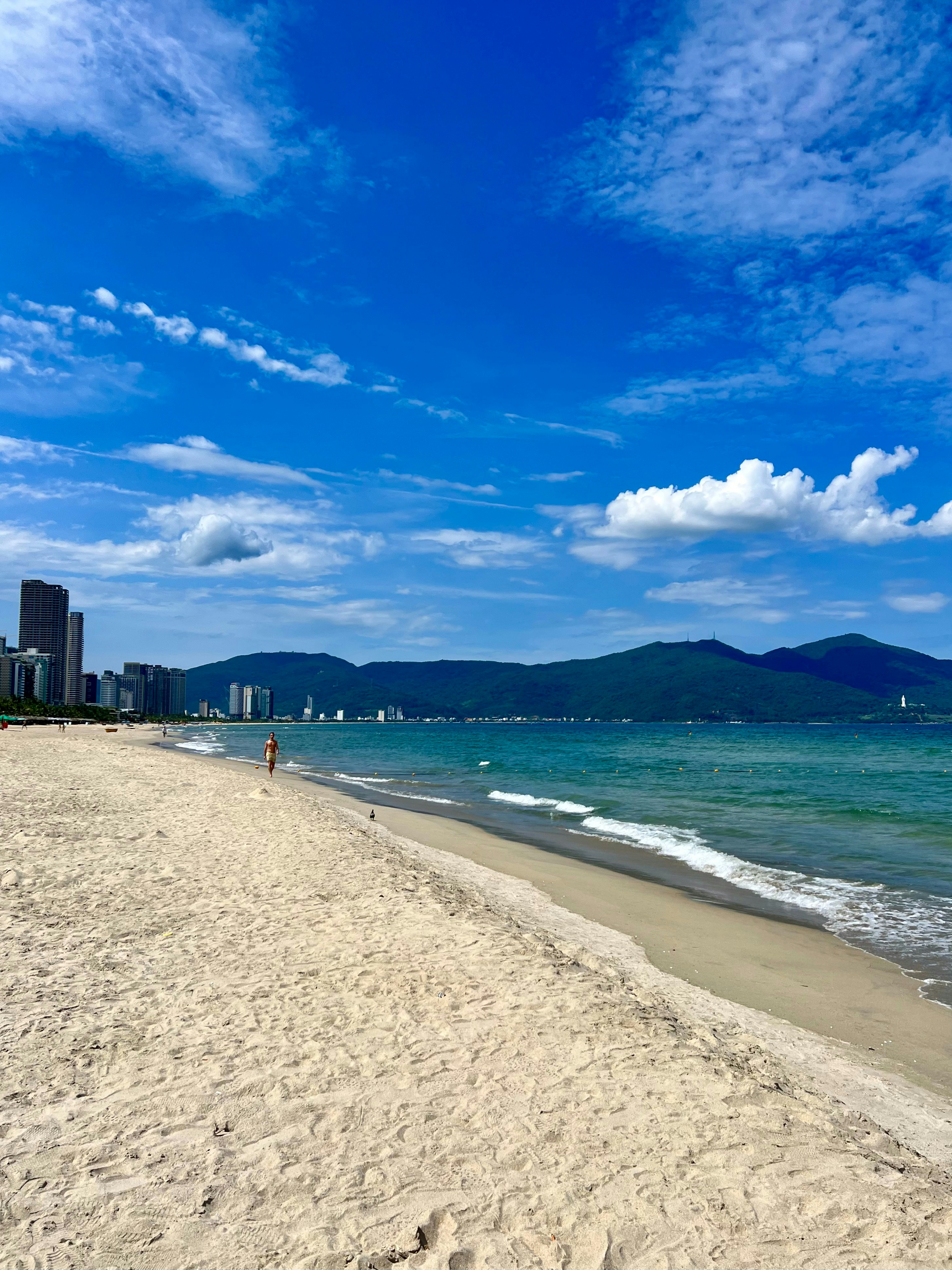
The Da Nang of 2026 is physically striking - luxury beachfront hotels line the 10km My Khe Beach, the Han River banks have been developed with restaurants and bars, and the infrastructure (roads, bridges, the international airport) is among the best in Vietnam. The city is clean, well-organised, and has better urban infrastructure than Hanoi or HCMC.
It is also conspicuously a city of development rather than history. Da Nang has less heritage content than Hue or Hoi An. What it offers is: a long, swimmable beach, good access to nearby historical sites (Marble Mountains, Monkey Mountain, and proximity to both Hue and Hoi An), a strong café and restaurant scene, reliable fast internet, and a well-functioning city that is easier to navigate than the older Vietnamese cities.
My Khe Beach
The main beach runs along the coast east of the city centre. 10km of open Pacific-facing sand, consistent surf, and a steady development of beachfront hotels and restaurants. The water is swimmable from April to October - outside this window, the surf is rough and swimming is not advised. Surfing lessons and board hire are available April–October.
As a base for the central coast
Da Nang is within 90 minutes of three UNESCO World Heritage sites: Hoi An Ancient Town (30km south), the My Son Hindu sanctuary (70km southwest), and the Hue Imperial Citadel (90km north). Day trips to all three are standard from Da Nang. Many travellers use Da Nang as a base rather than paying the premium Hoi An accommodation prices. Pre-booked transfers to Hoi An and Hue are available through Kiwitaxi - fixed price, driver meets you at the hotel.
Digital nomad and remote work
Da Nang has become one of Southeast Asia’s established digital nomad destinations. Fast and reliable internet is standard in cafes, hostels, and hotels. Coworking spaces operate throughout the city. The combination of beach access, low cost of living relative to Southeast Asian equivalents, and good connectivity makes it viable for extended stays. For data, an Airalo eSIM covers Vietnam’s full network and is the most convenient option for longer stays - no physical SIM swap needed when moving between cities.
Seasons
Da Nang’s weather is governed by two seasonal patterns:
- March–August: Sunny, dry, beach season. Hot (28–35°C). Best for swimming.
- September–February: Wetter, with significant rainfall in October–December. October–November can see severe typhoon-linked storms. Cooler (20–28°C). November–February is off-peak.
The driest and most consistently pleasant months are March–May. See Vietnam in March, Vietnam in April, and Vietnam in November for month-by-month detail.
Costs
Da Nang is mid-range for Vietnam. Beach hotels are expensive by local standards (₫500,000–3,000,000 / $20–120 depending on category). Food and transport are normal Vietnamese prices - street food ₫30,000–70,000 ($1.20–2.80), café coffee ₫40,000–70,000 ($1.60–2.80). Budget travellers using hostels and street food: ₫400,000–700,000 ($16–28) per day.
Frequently Asked Questions
How many days do you need in Da Nang? Three to four days is ideal. Da Nang serves as a base for three UNESCO World Heritage sites - Hoi An (30km south), My Son sanctuary (70km southwest), and Hue Imperial Citadel (90km north) - plus My Khe Beach, Marble Mountains, and the city itself.
What is the best time to visit Da Nang? March to May offers the driest and most consistently pleasant weather. The beach swimming season runs March to August (28–35°C). September to February is wetter, with severe storms possible in October–November.
How much does a budget day cost in Da Nang? Budget travellers using hostels and street food can manage on ₫400,000–700,000 ($16–28) per day. Street food costs ₫30,000–70,000 ($1.20–2.80) per meal, and café coffee is ₫40,000–70,000 ($1.60–2.80).
Is Da Nang good for digital nomads? Da Nang is one of Southeast Asia’s established digital nomad destinations. Fast wifi (50–200Mbps) is standard in cafes and coworking spaces, the cost of living is lower than Bali or Chiang Mai, and the city has beach access and good connectivity.
Is Da Nang or Hoi An better as a base? Da Nang is better for beach access, city infrastructure, and digital nomads. Hoi An has more character, better food culture, and the UNESCO Ancient Town. Many travellers stay in Da Nang for the lower accommodation cost and take day trips to Hoi An (30km, 45 minutes). Hoi An is better for a 2–3 night standalone stay.
More in Da Nang
- Things to Do in Da Nang
- Da Nang Food Guide - Best Dishes and Where to Eat
- Best Restaurants in Da Nang
- Da Nang Vegan Food Guide
- Da Nang Beaches Guide
- Marble Mountains Guide
- Ba Na Hills - Golden Bridge and Theme Park
- Da Nang Nightlife
- Best Cafes to Work in Da Nang
- Best Hotels in Da Nang
- Best Hostels in Da Nang
- Day Trips from Da Nang
Nearby destinations
Plan your trip
Planning to visit? Browse hotels in Da Nang — free cancellation on most bookings.
Book an experience
Top experiences in Da Nang
Explore the best tours and activities in Da Nang , with instant confirmation and free cancellation on most bookings.