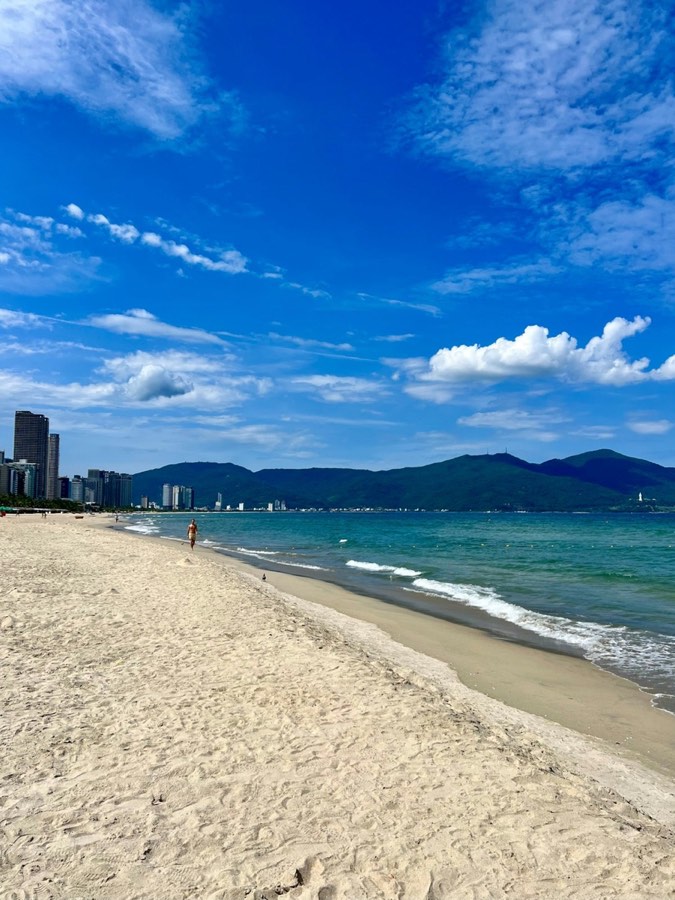
Da Nang and Hoi An sit 30 km apart on Vietnam’s central coast and represent two entirely different travel experiences. Da Nang is a fast-growing city with an international airport, long beaches, and the infrastructure of a modern regional hub. Hoi An is a UNESCO-listed ancient town of 15th-century trading houses, paper lanterns, and tailors who’ll make a suit in 24 hours.
Most travellers visit both. The question is where to base yourself - or whether you need to choose at all.
The Basics
Da Nang is Vietnam’s fourth-largest city and central Vietnam’s transport hub. It has an international airport with direct routes to Bangkok, Singapore, Kuala Lumpur, and Seoul. My Khe Beach runs for 10 km along the eastern edge of the city; the Dragon Bridge spans the Han River and breathes actual fire on weekend evenings.
Hoi An is a town of 150,000 people centred on an ancient merchant quarter that has been continuously inhabited since the 15th century. The Japanese Covered Bridge, merchant houses, and assembly halls of the Ancient Town are the main draws. Its manageable scale - the old town is walkable in 20 minutes - and its evening lantern atmosphere make it one of the most photographed places in Vietnam.
Cost
Accommodation
Da Nang offers the best range. Budget guesthouses on My Khe Beach start from USD 18–25 per night. Mid-range hotels on the beachfront - think Haian Beach Hotel or Sabia Hotel - run USD 50–80. The Hyatt Regency Da Nang Resort occupies a prime position on Non Nuoc Beach and starts around USD 150.
Hoi An’s Ancient Town commands a premium for proximity. Guesthouses within walking distance of the old town start at USD 25–35; boutique properties like Anantara Hoi An Resort or La Siesta Hoi An run USD 80–150. The further from the old town, the cheaper - staying in the An Bang Beach area cuts accommodation costs significantly.
Food
Street food is similarly priced in both cities. Cao lau - Hoi An’s signature thick rice noodle dish with pork, greens, and crispy croutons - costs USD 2–3 at local spots. White rose dumplings (banh bao vac) are another Hoi An original: around USD 2 per plate.
In Da Nang, mi quang (turmeric-coloured noodles with shrimp, pork, and toasted rice crackers) is the dish to order - USD 2–2.50 at local restaurants. Bun cha ca (fish cake soup) is another Da Nang staple.
Restaurant meals targeting tourists run USD 6–15 per person in both cities.
Beaches
Da Nang wins for beach quality. My Khe is wide, clean, consistently patrolled by lifeguards, and backed by a strip of seafood restaurants and beach clubs. China Beach, to the south near the Marble Mountains, is quieter. Surf conditions are good September through December; the rest of the year, the water is calm and clear.
An Bang Beach, 4 km from Hoi An’s old town, is a different experience: narrower, more relaxed, with beach bars like Soul Kitchen and Hoi An Beach Club drawing an international crowd. The water quality can vary by season. An Bang suits travellers who want beach time with a side of sunset cocktails rather than serious swimming.
Culture
Hoi An has no equal in central Vietnam for historical atmosphere. The Ancient Town’s 844 protected buildings include merchants’ houses from the Chinese, Japanese, and Vietnamese trading communities that made Hoi An Southeast Asia’s most important port in the 17th century. Entry to the Ancient Town requires a ticket (VND 120,000 / approximately USD 5 as of 2026) that covers five specific heritage buildings.
The Hoi An lantern festival takes place on the 14th day of each lunar month - all electric lights in the old town are turned off and paper lanterns are lit across the streets and Thu Bon River. Arriving on that evening is worth planning around.
Da Nang’s cultural credentials are different. The Cham Museum holds the world’s finest collection of Cham sculpture - artefacts from the Champa kingdom that dominated central Vietnam from the 2nd to the 15th century. Admission is USD 4 as of 2026. The Marble Mountains (Ngu Hanh Son) - five limestone peaks with caves containing Buddhist shrines - are 9 km south of the city centre and draw day-trippers from both Da Nang and Hoi An.
Food Experiences
Hoi An is one of Vietnam’s great food destinations at every price level. The morning market near the river has been running since before dawn for generations - buy fresh ingredients or eat banh mi and che (sweet soup desserts) from vendors who set up at 5 a.m. Cooking classes are a Hoi An industry: Morning Glory Cooking School and Red Bridge Cooking School both run half-day classes from USD 30–35 that include a market tour. Browse Hoi An cooking classes and food tours for bookable options.
Da Nang’s seafood is the standout: Han Market and Con Market sell fresh catches that local restaurants will cook to order. My Khe Beach’s seafood strip - run by local families at competitive prices - is one of the best-value dining experiences in central Vietnam. A grilled seafood dinner for two runs USD 15–25.
Nightlife and Activities
Da Nang has the livelier after-dark scene. The Dragon Bridge area along Bach Dang Street has bars and cafes; Sky36 atop the Novotel is one of Vietnam’s highest rooftop bars with cocktails from USD 7. The city also has Ba Na Hills - a French colonial hilltop resort accessible by the world’s longest non-stop cable car (USD 22 round trip as of 2026), worth a half-day for the views and the Golden Bridge (the one held aloft by giant stone hands).
Hoi An’s evenings centre on the river: lantern boats, cocktails at bars overlooking the waterway, and browsing the lantern shops that stay open late. The nightlife is romantic rather than rowdy, which suits the city perfectly.
Getting There
Da Nang International Airport receives direct international flights from most Asian hubs. Flights from Hanoi take 75 minutes from USD 25 each way as of 2026 on Vietjet; from Ho Chi Minh City, 80 minutes from USD 28.
Hoi An has no airport - the nearest is Da Nang. Transfers from Da Nang Airport to Hoi An cost USD 12–15 by Grab or USD 18–25 by prearranged hotel shuttle.
Best For
Choose Da Nang if:
- Beach access is a priority
- You want better accommodation value
- You’re arriving by plane and need airport convenience
- Ba Na Hills or the Marble Mountains are on your list
Choose Hoi An if:
- Historical atmosphere and walking around old streets is the draw
- You want cooking classes, tailors, and lantern shopping
- A quieter, more romantic base appeals
- You’re combining with a day trip to My Son Sanctuary (45 minutes south)
When to Visit
Both cities share the same climate. The best time is February through August - warm, relatively dry, and good beach weather. September through November brings the risk of typhoons and heavy rain. Da Nang and Hoi An can flood significantly in October–November; check forecasts before travelling.
March and April offer the perfect combination: temperatures in the low 30s, low rain, and crowds that haven’t hit peak.
The Verdict
Most travellers should base in Hoi An for two nights and Da Nang for two nights, or stay in one and day-trip to the other. If forced to choose: Hoi An is the experience that stays with you longest. The Ancient Town at dusk, with lanterns reflected on the Thu Bon River and the smell of white rose dumplings coming from a doorway - that’s the image that gets shared. Da Nang is the more practical city and the better beach base.
See our full guide to Da Nang and Hoi An for detailed neighbourhood breakdowns and recommended activities.
Plan Your Trip
✈️ Book your flights to Vietnam 🛡️ Get travel insurance 📱 Stay connected with an eSIM 🚗 Rent a car