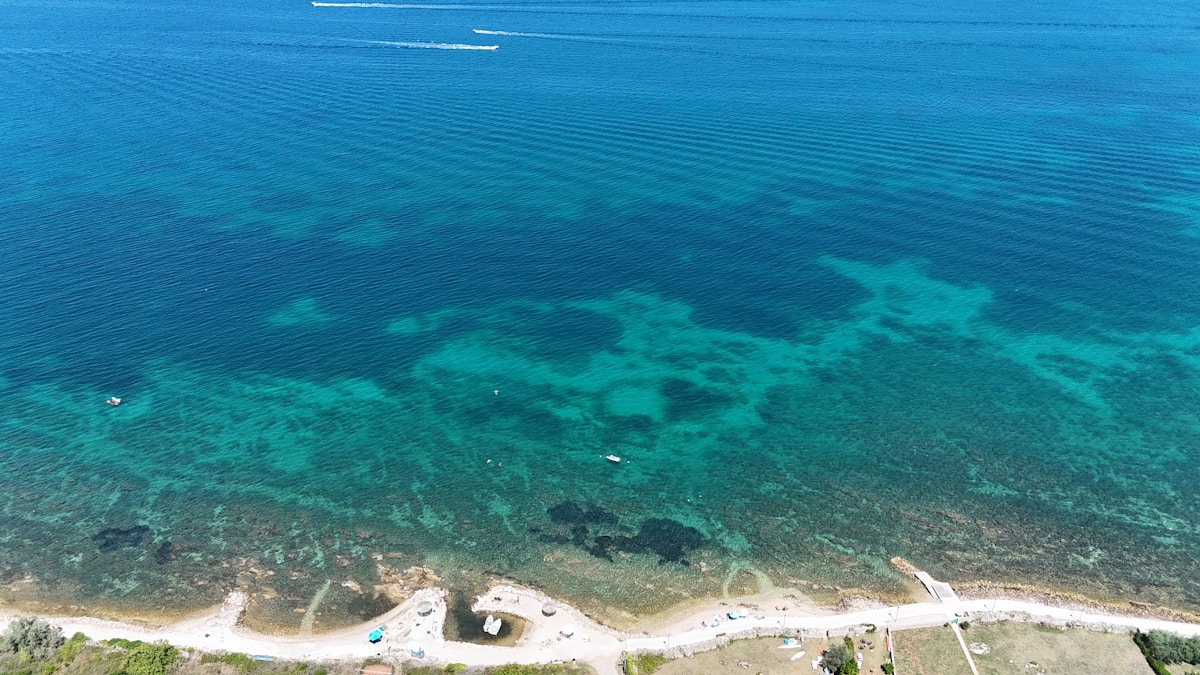
Da Nang’s beaches run along the east coast for approximately 30km from Son Tra peninsula in the north to the Marble Mountains area in the south. My Khe is the main city beach; Non Nuoc and the beaches near the Marble Mountains are quieter alternatives.
My Khe Beach
The primary city beach. 10km of open Pacific-facing sand running directly east of the city centre. The beach is wide, clean, and consistent. Full hotel and restaurant development along the northern section; slightly more space on the southern stretch near the Marble Mountains.
Swimming: Good April–October. Lifeguard flags operate during the main season - heed the red flag (dangerous conditions) warnings. Outside April–October, the surf is rough and swimming is inadvisable.
Surf: My Khe receives consistent surfable waves during the April–October season. Board hire and lessons available at several beach huts: ₫200,000–400,000 ($8–16) for a 2-hour surf lesson with equipment. The best surf conditions are in the morning (May–August) before onshore winds increase.
Facilities: Sunbeds and umbrellas ₫30,000–60,000 ($1.20–2.40) per set. Showers at various beach entry points. Restaurants and bars lining the main strip.
Non Nuoc Beach
South of My Khe, adjacent to the Marble Mountains and the luxury resort zone. Cleaner and wider than My Khe on the most developed sections. Less crowded outside the resort hotel zones.
The Non Nuoc area is where the major international resort brands concentrate - InterContinental’s beach, the Furama Resort, and several other properties have private beach frontages. For non-resort guests, the public beach sections interspersed between resort properties are accessible.
Son Tra Peninsula beaches
The Son Tra peninsula east of the city has smaller, more secluded beaches on its eastern shore, accessible by the peninsula road. Nam O, the beach village at the base of the peninsula, has a fishing harbour and a quiet local beach.
Bai But and Bai Rang: Two small sheltered coves on the peninsula accessible by motorbike on the forest road. Less developed, calmer water than the main city beach.
Swimming season
| Month | Swimming | Surf | Notes |
|---|---|---|---|
| March–April | Good | Moderate | Spring - best combination |
| May–August | Excellent | Good | Peak beach season |
| September–October | Risky | Large | Typhoon period - check forecasts |
| November–February | Not recommended | Very large | Rough winter seas |
Rip currents: My Khe and Non Nuoc both have rip current risks. Swim in flagged zones and observe lifeguard advice. Several drownings occur each year from rip currents, most involving swimmers outside flagged zones.
Water quality
Da Nang’s beaches have generally good water quality. The city’s wastewater treatment infrastructure is better than most Vietnamese coastal cities. Occasional contamination advisories occur after heavy rain - check local news during the wet season.
Useful links:
More in Da Nang
- Ba Na Hills and the Golden Bridge: Complete Visitor Guide
- Best Cafes to Work in Da Nang 2026: Digital Nomad Guide
- Best Hostels in Da Nang 2026: Budget Stays Near the Beach
- Best Hotels in Da Nang 2026: Beach Resorts to Budget Options
- Best Restaurants in Da Nang 2026: Mi Quang, Banh Mi and Seafood
- Day Trips from Da Nang 2026: Hoi An, Hue and My Son
- Da Nang Food Guide 2026: What to Eat in Vietnam’s Beach City
- Marble Mountains Da Nang 2026: Cave Temples and Coastal Views
- Da Nang Nightlife 2026: Beach Bars, Clubs and the Dragon Bridge
- Things to Do in Da Nang 2026: Beach, Marble Mountains and More
- Vegan Food in Da Nang 2026: Com Chay and Buddhist Restaurants
- Best Hotels in Da Nang 2026: Beach vs City Centre vs Son Tra