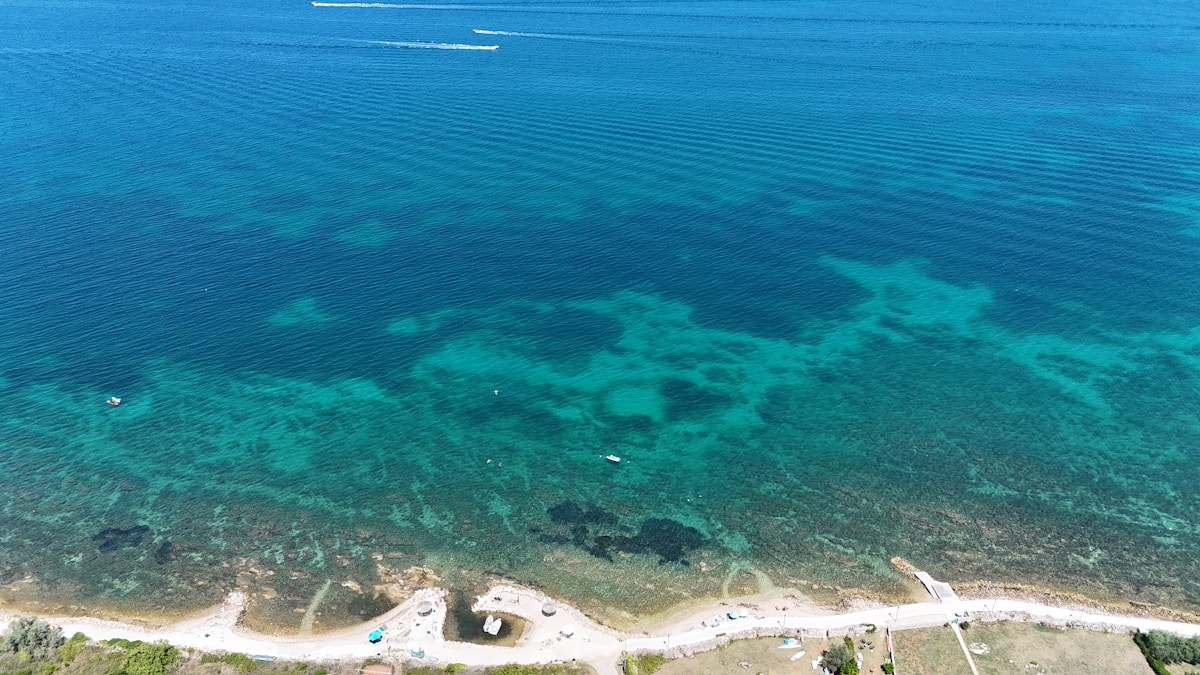
Da Nang’s activities cover beach, mountains, and cultural sites. The city itself has limited heritage content but good access to significant sites nearby.
My Khe Beach
The main city beach. 10km of Pacific-facing sand running along the coast east of the city. Swimmable from April through October. Surfing lessons and board rental available at the beach huts from April to August.
The beach is lined with hotels and restaurants. The northern end (near Son Tra peninsula) is cleaner and less developed than the central resort strip.
Practical: Sun loungers and umbrellas ₫30,000–60,000 ($1.20–2.40) per set. The water is rough November–March - swimming in this period is not recommended.
Marble Mountains (Ngu Hanh Son)
Five marble and limestone hills 9km south of the city centre containing cave temples, pagodas, and a viewpoint across the city and coast. The hills have been used as Buddhist sanctuaries for centuries and contain active worship spaces integrated into the cave chambers.
Thuy Son (Water Mountain): The most visited and largest. Enter via the main staircase or the elevator (₫15,000). The cave shrines include Huyen Khong Cave (cathedral-scale cave with war-era bullet holes and natural light shafts from the ceiling) and Am Phu Cave (Buddhist representation of hell with figurative statues). The summit viewpoint covers My Khe Beach and the coastline south toward Hoi An.
Entry: ₫40,000 ($1.60) for the mountain complex, ₫15,000 elevator.
Son Tra Peninsula (Monkey Mountain)
A mountainous peninsula northeast of the city covered in primary tropical forest. The peninsula is home to red-shanked douc langurs - a striking primate species on the endangered list. The road to the Linh Ung Pagoda (and the 67m statue of the Goddess of Mercy overlooking the sea) traverses the forest with viewpoints over the city and the bay.
Wildlife note: The douc langurs are genuinely rare and the Son Tra forest is an important conservation area. Feeding the langurs is harmful to the population.
Linh Ung Pagoda: One of three Linh Ung pagodas in the Da Nang area. The 67m Lady Buddha statue facing out to sea is the most recognised landmark on the peninsula. Free entry.
Dragon Bridge and Han River bridges
The Han River bridges are Da Nang’s architectural signature. The Dragon Bridge (2013) is shaped like a dragon - on weekend nights (21:00 Saturday and Sunday) the dragon’s head breathes fire and water for spectators. The bridges are illuminated at night. The riverbank walk from the Dragon Bridge south to the Love Bridges is the best evening walk in the city.
Ba Na Hills
A French colonial hill station at 1,487m elevation on the mountains west of the city, now redeveloped as a major domestic tourism theme park. The Golden Bridge - held up by two giant stone hands - went viral internationally in 2018.
Ba Na Hills is genuinely impressive as an engineering and scenery achievement. It is also extremely crowded on Vietnamese holidays and weekends. The cable car (the longest non-stop single-track cable car in the world at time of building) provides good views regardless of the park content.
Entry + cable car: ₫750,000–1,000,000 ($30–40). Worth doing once, primarily for the scenery rather than the theme park.
Museum of Cham Sculpture
Vietnam’s largest collection of Cham art - the Hindu kingdom that preceded Vietnamese control of central Vietnam. Sculptures from the 7th–15th centuries CE, including pieces from the My Son sanctuary. The collection is genuinely significant and the museum is modest in scale - 2 hours is sufficient.
Entry: ₫60,000 ($2.40).
Top Tours at a Glance
Here’s a quick comparison of top-rated Da Nang tours on GetYourGuide:
| Tour | Duration | Price (from) | Group Size | Highlights |
|---|---|---|---|---|
| Ba Na Hills + Golden Bridge Full Day | Full day | from $40/person | Group | Cable car, Golden Bridge, Fantasy Park, transfers included |
| Marble Mountains + My Son Day Trip | 7–8 hrs | from $35/person | Group | Cave temples, UNESCO Cham ruins, English guide, lunch |
| Hoi An Ancient Town Day Trip | Full day | from $25/person | Group | Ancient Town entry, cooking class optional, cycle option |
| Son Tra Peninsula Jeep Tour | 3–4 hrs | from $30/person | Up to 8 | Douc langur spotting, Lady Buddha, sea views |
| Da Nang City & Sunset Tour | 4–5 hrs | from $20/person | Small group | Dragon Bridge fire show, Han River bridges, street food |
Browse all Da Nang tours → GetYourGuide
More in Da Nang
- Ba Na Hills and the Golden Bridge: Complete Visitor Guide
- Da Nang Beaches 2026: My Khe, Non Nuoc and the Best Swimming Spots
- Best Cafes to Work in Da Nang 2026: Digital Nomad Guide
- Best Hostels in Da Nang 2026: Budget Stays Near the Beach
- Best Hotels in Da Nang 2026: Beach Resorts to Budget Options
- Best Restaurants in Da Nang 2026: Mi Quang, Banh Mi and Seafood
- Day Trips from Da Nang 2026: Hoi An, Hue and My Son
- Da Nang Food Guide 2026: What to Eat in Vietnam’s Beach City
- Marble Mountains Da Nang 2026: Cave Temples and Coastal Views
- Da Nang Nightlife 2026: Beach Bars, Clubs and the Dragon Bridge
- Vegan Food in Da Nang 2026: Com Chay and Buddhist Restaurants
- Best Hotels in Da Nang 2026: Beach vs City Centre vs Son Tra