Hoi An 2026: Vietnam's Best-Preserved Ancient Trading Town
Hoi An travel guide covering the UNESCO Ancient Town, lantern-lit riverfront, tailors, An Bang Beach, and central Vietnam's best food scene.
Guides for Hoi An
Hoi An is a UNESCO World Heritage ancient trading town on the Thu Bon River in central Vietnam, 30km south of Da Nang. The 30km transfer from Da Nang airport takes 30–45 minutes; a pre-booked fixed-price airport transfer avoids the taxi negotiation on arrival. It has been continuously inhabited for over 2,000 years, and its old quarter - Japanese merchant houses, Chinese clan temples, French colonial facades, and a covered bridge - is the best-preserved pre-modern trading port in Southeast Asia.
Why Hoi An matters
Between the 15th and 19th centuries, Hoi An (then Faifo) was one of Asia’s most important trading ports. Japanese, Chinese, and European merchants established communities here, and their architecture remained standing because the Thu Bon River silted up in the 19th century, causing the port trade to shift to Da Nang - and with it, the development pressure that would otherwise have replaced the old buildings.
The result is a town where the old quarter looks largely as it did 200 years ago. Yellow plaster buildings with shuttered windows, wooden Chinese shophouses, the Fujian Chinese Assembly Hall, and the Japanese Covered Bridge (Lai Vien Kieu, built in 1593 by Japanese merchants) are all intact and in use.
The experience
Hoi An is overwhelmingly pleasant. The old quarter is walkable, the food is outstanding, the Thu Bon River at evening is one of the most photographed scenes in Vietnam, and the town has a concentration of tailors, artisans, and cooking school operators unlike anywhere else in the country.
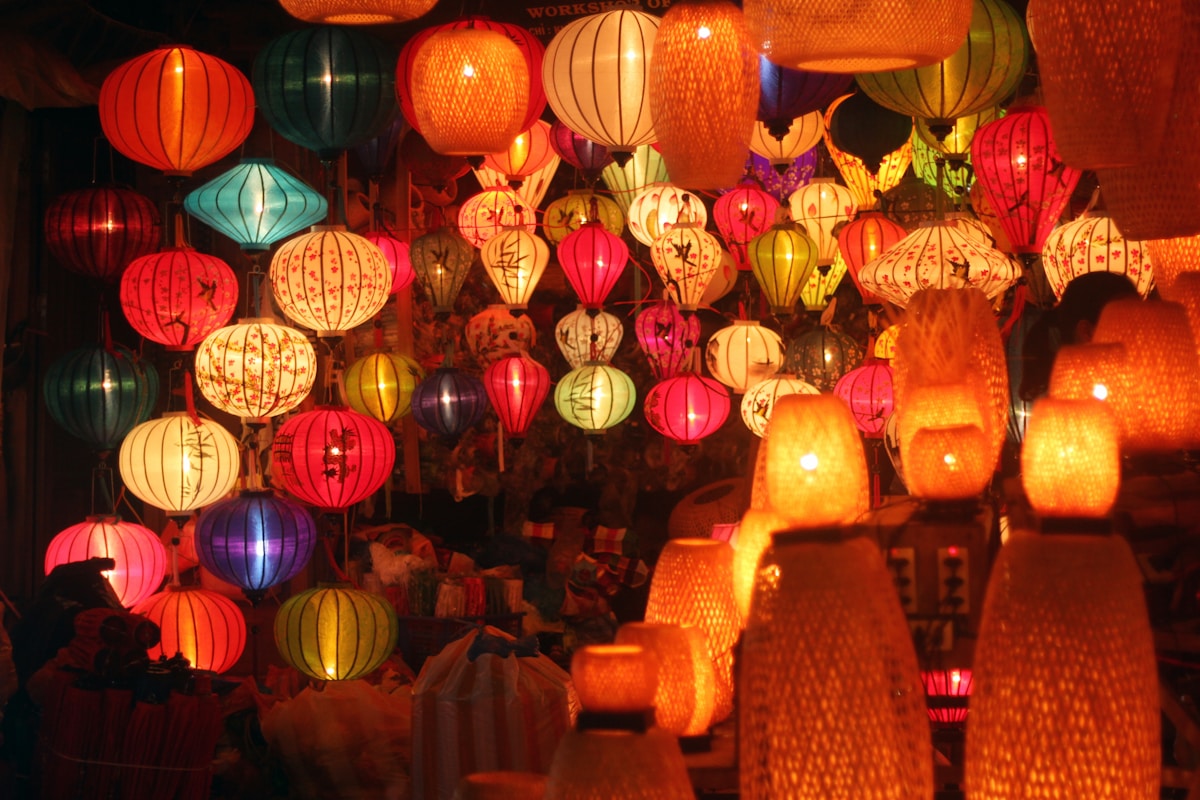
It is also very popular and has been for years. The old quarter is heavily touristed during the day. The experience is better at dawn (06:00–08:00 before the tour groups arrive) and at night (from about 18:00 when the lanterns are lit). The tourist infrastructure is excellent - it is easy and comfortable to navigate.
An Bang and Cua Dai beaches
The old quarter entry ticket (₫120,000 - access to five heritage sites including the Japanese Covered Bridge and assembly halls) can be bought at the ticket office on Nguyen Thai Hoc street. Pre-booking is useful on busy weekends and full-moon festival nights; queues at the office are usually short.
Hoi An has beaches 4km east of the old town. An Bang Beach is the better option - slightly further than Cua Dai but cleaner and with a good selection of restaurants and beach bars. Cua Dai suffered from coastal erosion and is less recommended than it was historically.
Tailors and custom clothing
Hoi An has hundreds of tailors who will produce custom-made clothing to order. Suits, dresses, shirts, and shoes can be made in 24–48 hours at very competitive prices. The quality varies considerably - the better established tailors (Yaly, A Dong Silk, Bebe) charge more but produce consistent results.
Seasons
Hoi An’s climate matches Da Nang: March–August is beach season and dry. October–November brings significant flooding - the old town regularly floods during typhoon season, and some years the flooding is severe. January–February is cool and mostly dry. The lantern festival on the full moon of every month is worth planning around. See Vietnam in October and Vietnam in November for detailed conditions during the flood-risk months.
Costs
Hoi An is more expensive than the Vietnamese average - the tourist concentration has pushed accommodation and restaurant prices up. Budget: ₫350,000–600,000 ($14–24) per day. Mid-range: ₫600,000–1,500,000 ($24–60). Old Town entry ticket: ₫120,000 ($4.80) for access to five heritage sites.
Frequently Asked Questions
How many days do you need in Hoi An? Two full days covers the Ancient Town thoroughly - the Japanese Covered Bridge, assembly halls, and riverfront - with time for tailors and a meal at the night market. Three days adds An Bang Beach and a cooking class. Most travellers stay 3–5 nights and find the pace suits a longer stay.
Is Hoi An worth it if it’s very touristy? Yes. The old town is heavily visited but the heritage is genuine and the preservation quality is high. Going early (before 08:00) or in the evening after 18:00 when the lanterns are lit gives a very different experience to the midday tour-group peak. The food scene alone justifies the visit.
When is the lantern festival in Hoi An? The Full Moon Lantern Festival takes place on the 14th day of each lunar month. Electric lights in the old town are switched off and the streets are lit by lanterns. It runs for one evening each month - check the lunar calendar for exact dates as it falls on a different Gregorian date each month.
What are the best tailors in Hoi An? Yaly Couture and A Dong Silk are consistently recommended for reliable quality and experience working with international customers. Both charge more than street tailors but deliver consistent results. Allow at least 48 hours for a suit or dress - and ideally two fittings before collection.
How far is Hoi An from Da Nang? 30km by road, approximately 40–50 minutes by taxi or Grab. The Grab fare is typically ₫180,000–250,000 ($7–10). There is no direct bus between the two tourist centres; local buses exist but are slow and not well-signed for visitors.
More in Hoi An
- Things to Do in Hoi An
- Hoi An Food Guide - Best Dishes and Where to Eat
- Best Restaurants in Hoi An
- Hoi An Vegan Food Guide
- Hoi An Beaches
- Hoi An Cooking Classes - Best Schools, Prices and What to Expect
- Hoi An Lantern Festival Guide
- Best Hotels in Hoi An
- Best Hostels in Hoi An
- Day Trips from Hoi An
Tours and activities
Nearby destinations
Plan your trip
Planning to visit? Browse hotels in Hoi An — free cancellation on most bookings.
Book an experience
Top experiences in Hoi An
Explore the best tours and activities in Hoi An , with instant confirmation and free cancellation on most bookings.