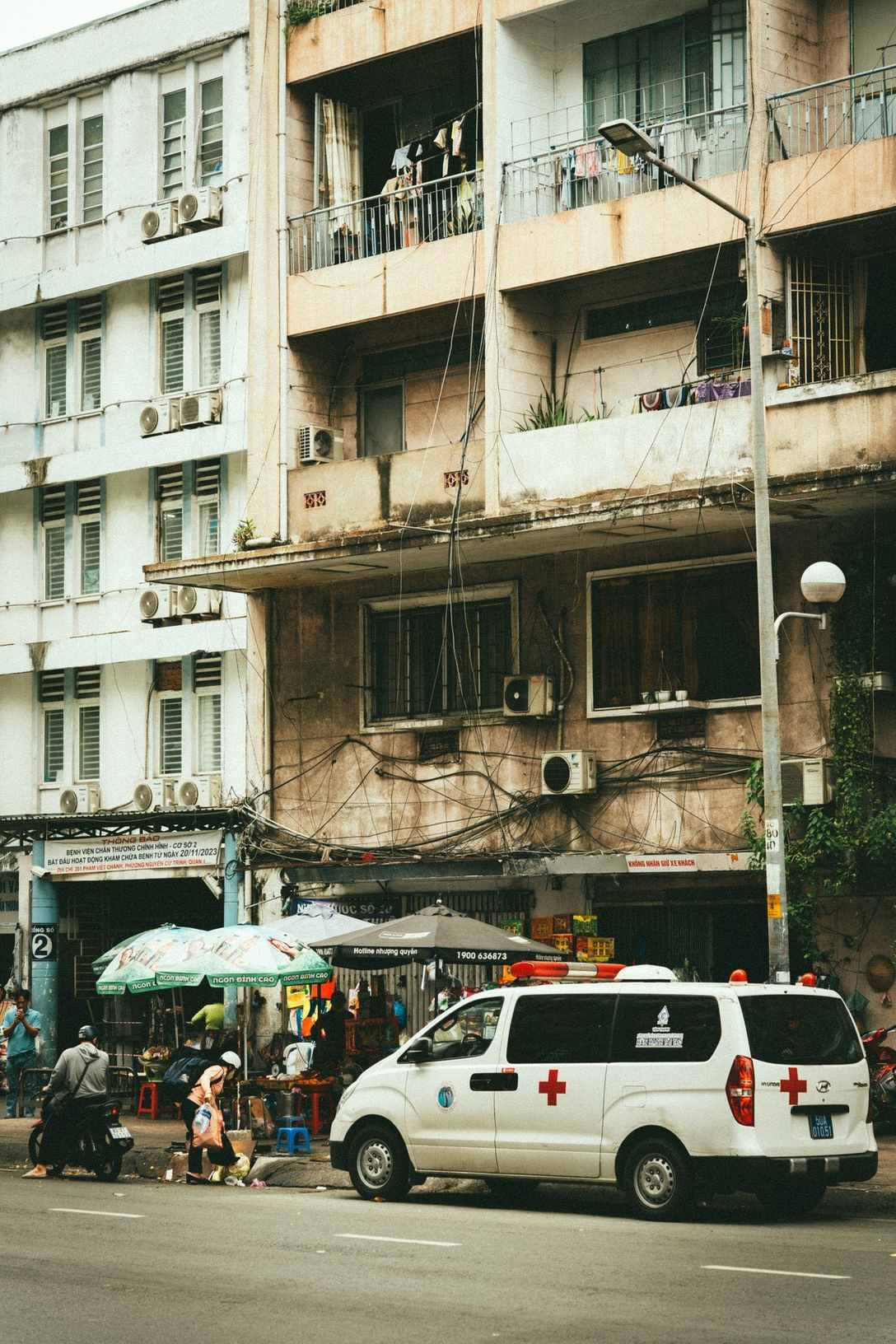
Vietnam does not run one universal emergency number the way the US (911) or the EU (112) does. Instead there are three separate three-digit lines, and calls are answered in Vietnamese. This guide lists the numbers we recommend saving before you land, how to get help when nobody speaks English, and how hospitals, embassies and insurance fit together. Numbers are as of 2026, so confirm anything critical with your hotel on arrival.
The numbers to save
| Service | Number | Notes |
|---|---|---|
| Police (Cong an) | 113 | Crime, theft, assault, serious road accidents |
| Fire brigade | 114 | Fires, building rescues, gas leaks |
| Ambulance | 115 | Medical emergencies, runs through local emergency centres |
| Search and rescue, natural disasters | 112 | Floods, landslides, typhoon rescue |
All are free to dial from a Vietnamese SIM. If you use a foreign roaming SIM, the calls normally still connect, but our eSIM guide explains why a local data plan is the more reliable choice (you can get an eSIM for Vietnam before landing) for calling a Grab, using a translator and reaching your insurer.
Tourist police units exist in Hanoi and Ho Chi Minh City, but published phone numbers for them conflict between sources and change often, so we do not list one here. For a tourist-specific problem, dial 113 or ask your hotel to contact the nearest station.
When nobody speaks English
Operators on 113, 114 and 115 usually speak Vietnamese only. A few habits make a big difference:
- Get a local to call. Hotel reception, a guesthouse host or a shop owner can explain the situation in seconds and give the correct street address.
- Save your accommodation’s address in Vietnamese in your phone notes, so you can show it to a taxi or paramedic.
- Use a translation app with offline Vietnamese downloaded before you travel.
- Know the key words: “cap cuu” means emergency or first aid, “cong an” is police, “benh vien” is hospital, “giup toi” is help me.
Medical emergencies and hospitals
Public hospitals are cheap but crowded, and English is limited. Foreign visitors with anything beyond a minor problem usually go to a private international-standard hospital. In Ho Chi Minh City, FV Hospital in District 7 lists a 24-hour emergency line of (028) 35 11 35 00 on its own website. In Hanoi, Vinmec International Hospital and the Hanoi French Hospital are widely used by expats; check the current emergency number on their websites or ask your embassy for its hospital list, since embassies such as the Australian consulate in Ho Chi Minh City publish updated ones.
Practical points:
- Expect to pay upfront or show insurance. Private hospitals often take a deposit before treatment. Ask whether the hospital offers direct billing with your insurer.
- Phone your insurer early. Most policies need notification of admission within 24 to 48 hours, and the insurer’s assistance team can guarantee payment.
- Take your passport and policy details. A photo on your phone is enough to start.
- Serious cases outside big cities. In places like Sapa, Ha Giang or Phong Nha, the nearest capable hospital can be hours away. Medical evacuation cover matters here; see our travel insurance guide or compare travel insurance for Vietnam before you fly.
For pharmacies, vaccinations and common illnesses such as dengue and traveller’s diarrhoea, read our health and vaccinations guide.
Road accidents
Traffic is the biggest realistic danger for visitors, especially on rented motorbikes. After a crash:
- Move out of traffic if you can and check for injuries.
- Call 115 for injuries and 113 for the police. Police often attend to take a report.
- Do not agree to pay cash on the spot until you understand the claim; photograph vehicles, plates and the scene.
- Keep the police report, because insurers require it. Many policies exclude riders without a valid Vietnamese licence or the right motorcycle class, so check yours before you ride.
Theft, scams and police reports
For theft or a lost passport, go to the nearest police station and ask for a written report. You will need it for insurance and for an emergency travel document. Our embassies and consulates guide covers contacts in Hanoi and Ho Chi Minh City and the steps for a lost passport. For prevention, see tourist scams in Vietnam.
What your embassy can and cannot do
Embassies can issue emergency passports, contact family, suggest English-speaking doctors and lawyers, and visit you if you are detained. They cannot pay medical bills, provide legal advice that overrides Vietnamese law, or get you out of custody. Register with your government’s travel notification service before you go if it offers one.
Typhoons, floods and natural hazards
Central Vietnam has a typhoon and flood season, roughly September to December, and the north sees landslides on mountain roads in summer. Follow hotel and local authority instructions, avoid travel on flagged days and keep 112 for rescue situations. Hotels normally relay warnings; also follow your embassy’s travel advisory.
What to carry
- Photo and a paper copy of your passport and visa
- Insurance policy number and 24-hour assistance line
- Embassy phone number and your hotel address in Vietnamese
- A charged phone with a local SIM or eSIM
- A note of allergies, blood type and regular medication
Our Is Vietnam safe? guide puts these risks in proportion: most trips pass without incident, but a five-minute setup before you fly makes any emergency far easier to handle.
Official advice is also published in the UK government travel advice for Vietnam.