Vietnam is a generally safe country for tourists. Violent crime against foreigners is rare. The main risks are petty theft in crowded tourist areas, motorbike accidents (the leading cause of serious injury), and various tourist-targeted scams that are annoying but rarely dangerous.
Petty theft
Bag snatching from motorbikes is the most common crime affecting tourists, particularly in HCMC (Ho Chi Minh City). A moving motorbike grabs a bag or phone from a pedestrian or cafe table.
Mitigation: Don’t carry bags on the bag-snatching side (road side) in busy streets. Keep phones in pockets rather than visible in hand on the street. Sitting inside a cafe is safer than at a pavement table when on your phone.
Pickpocketing occurs in dense crowds (Ben Thanh Market, Bui Vien in HCMC, Hoan Kiem Lake area in Hanoi). Standard precautions: front pockets, money belt for passport and backup cards.
Motorbike accidents
The most significant physical risk in Vietnam. The road death rate is high by international standards. Motorbike rental is cheap and accessible - which means many travellers ride at skill levels below what the roads require.
Ha Giang Loop specific: The mountain roads on the Ha Giang Loop are genuinely dangerous in wet conditions or for inexperienced riders. Several serious accidents involving foreign travellers occur each year. The Easy Rider guide option (pillion) eliminates self-riding risk entirely.
General motorbike use: Wear a helmet (required by law; good-quality helmets are available at rental shops). Don’t ride at night if unfamiliar with the roads. Don’t ride after alcohol.
Travel insurance: Check that your policy covers motorbike accidents as a rider (many standard policies exclude motorbike accident coverage or require a motorcycle licence endorsement).
Scams
Common tourist scams in Vietnam:
Taxi scams (airports and tourist areas): Unlicensed taxis or metered taxis with tampered meters. Mitigation: use Grab instead. If taking a metered taxi, confirm it’s a licensed company (Vinasun or Mai Linh in HCMC; G7 or Hanoi Taxi in Hanoi).
Xe om (motorbike taxi) overcharging: Drivers quote high prices to foreigners. Mitigation: agree price before getting on, or use Grab.
Shoe repair touts: Approach travellers with apparent “shoe problems” and charge high rates to fix them. Decline if you didn’t ask for the service.
Friendly invitations to family businesses: Common in Hanoi Old Quarter. Someone initiates a friendly conversation, then guides you to a relative’s shop or restaurant where prices are inflated.
Cheap tour operators: Some very cheap tours cut corners on safety equipment or skip advertised sites. For activities with safety implications (caving, diving, Ha Long Bay cruises), choose established operators over the cheapest option.
Solo female travel
Vietnam is broadly safe for solo female travellers. Women travel alone throughout the country without significant incident. The main concerns are:
- Late-night travel in HCMC’s Bui Vien (busiest backpacker street) - rowdy but generally safe
- Night bus and train travel: solo female travellers in shared sleeper compartments report occasional unwanted attention; some prefer to book a full compartment with a female travel companion or choose a reputable company
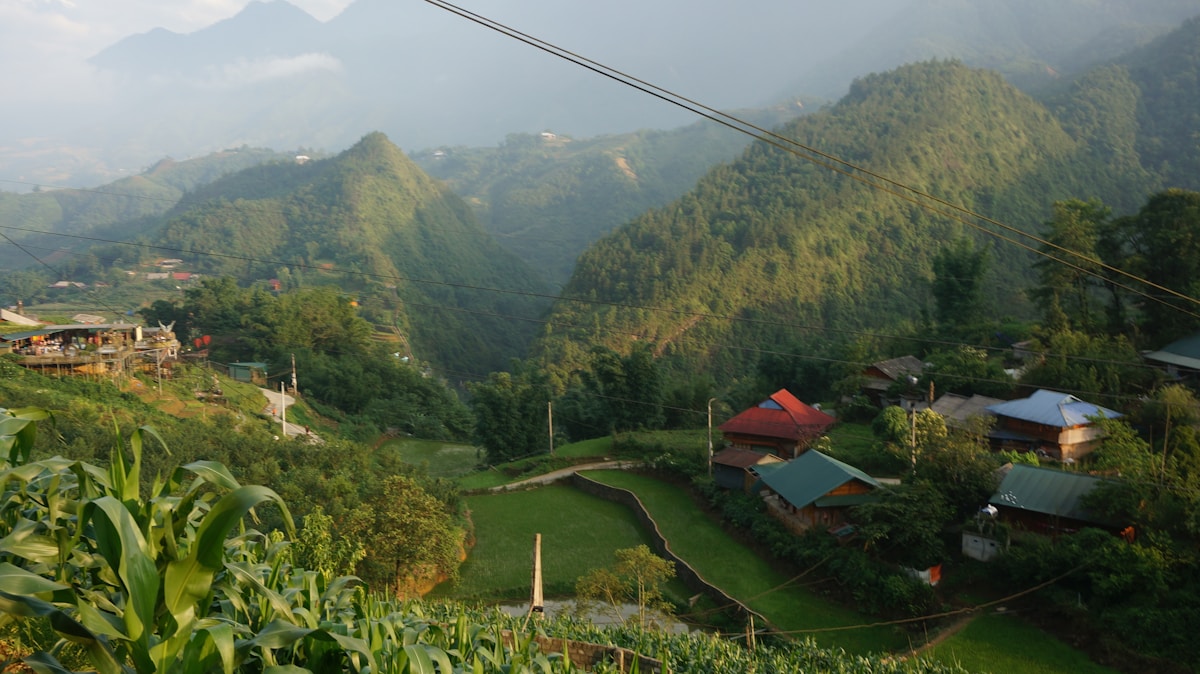
The rural areas (Sapa, Ha Giang, northern highlands) are safe and local communities are generally welcoming to independent female travellers.
Planning a solo trip? Our Vietnam solo travel guide covers the best social scenes, how to meet other travellers, and the routes most popular with people travelling alone.
Political and social situation
Vietnam is a politically stable country with a single-party government. Political demonstrations or civil unrest are not a factor for tourist safety. Relations with neighbouring countries are stable. There are no active conflict zones accessible to tourists.
Navigating traffic
Vietnamese city traffic is famously dense, with motorbikes flowing in all directions including against traffic at times. The key rule for pedestrians: walk slowly and steadily into the flow, maintain a predictable path, and don’t stop suddenly. Traffic will adjust around you. Hesitating or stopping mid-crossing is more dangerous than continuing at a steady pace.
Hanoi is more dangerous than HCMC for pedestrians. HCMC traffic is fast but has wider roads and is somewhat more predictable. Hanoi’s Old Quarter has narrower streets, less predictable flow, and more frequent wrong-way motorbikes on footpaths. Particular care is needed crossing major Hanoi roads outside pedestrian crossings.
Use designated crossings where they exist. Crossing with a local or following a group significantly reduces risk for first-time visitors.
Food and drink safety
Eating where locals eat is the most effective proxy for food safety - high local turnover means fresh ingredients and low risk of sitting food. Pho shops with queues at 07:00 are lower-risk than half-empty tourist restaurants.
Avoid: Pre-cut fruit from street vendors in locations with low turnover (flies, sitting at ambient temperature for hours). Ice from unknown sources in rural areas - ice in cities is generally commercially produced and safe. Tap water is not safe to drink anywhere in Vietnam; bottled water is cheap and available everywhere.
Street food with good safety record: Pho, bun bo hue, banh mi (high turnover at busy vendors), com tam - all cooked to order or with rapid turnover.
Stomach bugs are common for the first few days as your digestive system adjusts to new bacteria. Carry oral rehydration sachets and a basic stomach medication. Most traveller’s diarrhoea in Vietnam resolves without prescription antibiotics within 48 hours.
Health and vaccinations
The UK, Australian, and US travel health advisories all recommend the following for Vietnam:
Standard vaccines: Hepatitis A, Typhoid - recommended for most travellers.
Japanese Encephalitis: Recommended for travellers spending time in rural areas, particularly in northern provinces during summer. The vaccine is a two-dose course requiring at least one month before travel. Not necessary for a short city-only itinerary.
Rabies: Consider if undertaking extended rural travel, caving, or working with animals. Post-exposure treatment is available in major cities but not reliable in remote areas.
Malaria: Risk is low in major tourist areas and cities. Mekong Delta border regions with Cambodia and some northern highland areas carry higher risk - check current government travel advisories for your destination.
Dengue fever is present in Vietnam and transmitted by day-biting mosquitoes. No vaccine is widely available for adults. Use DEET repellent, especially in coastal areas during and after rainy season.
Hospitals: International hospitals in Hanoi (SOS International, Hanoi French Hospital) and HCMC (FV Hospital, SOS International) provide Western-standard care with English-speaking staff. Outside major cities, medical facilities are significantly more limited. Comprehensive travel insurance with medical evacuation cover is essential.
LGBTQ+ travellers
Vietnam has no laws against same-sex relationships, and same-sex activity between consenting adults is legal. The country has become progressively more open - Hanoi and Ho Chi Minh City both have visible gay bars, Pride events in major cities, and a growing LGBTQ+ community. Public displays of affection between same-sex couples are becoming more common in cities, particularly among younger Vietnamese.
Rural areas remain socially conservative. Discretion is still advisable outside major cities. Hotels across Vietnam typically have no issue with same-sex couples sharing a room.
Political and social situation
Vietnam is a stable single-party state. There is no civil unrest, terrorism, or active conflict zone accessible to tourists. Relations with neighbouring countries are stable.
Photography of military sites: Strictly prohibited. Military installations, bases, and government security buildings should not be photographed. The prohibition is actively enforced, and equipment may be confiscated. If in doubt, do not point a camera at anything that looks official or guarded.
Political commentary: Vietnam operates under strict media and speech laws. Public criticism of the Communist Party, the government, or senior officials is illegal and enforced. Tourists are extremely unlikely to fall foul of these laws through normal conversation, but publicly sharing critical political commentary - particularly on social media while in-country - is inadvisable.
Emergency contacts
- Police: 113
- Ambulance: 115
- Fire: 114
- Tourist Police (HCMC): +84 28 3824 4605
- Tourist Police (Hanoi): +84 24 3942 4590
Frequently Asked Questions
Is Vietnam safe for tourists? Yes. Vietnam is one of Southeast Asia’s safest tourist destinations. Violent crime against foreigners is rare. The main concerns are petty theft in busy tourist areas (pickpocketing, bag snatching from motorbikes in HCMC) and traffic, which is chaotic in major cities.
Is Vietnam safe for solo female travellers? Generally yes. Solo women travellers consistently report positive experiences in Vietnam. The main precautions are the same as in any urban area: be aware of surroundings at night, use reputable accommodation, and use ride-hailing apps (Grab) rather than unmarked taxis.
Is Vietnam safe during typhoon season? The central coast faces typhoon risk from September to November. Typhoons don’t make every year dangerous, but they do occur. Monitor weather forecasts, follow local advice, and ensure your travel insurance covers typhoon disruption.
What are the most common scams in Vietnam? The most common are taxi scams (use Grab instead), xe om overcharging (agree price before riding), Ben Thanh Market price inflation (bargain 40–50% off the first quote), and friendly-guide schemes in the Hanoi Old Quarter. None are dangerous - just annoying.
Is it safe to ride a motorbike in Vietnam? Motorbike accidents are the most significant physical risk for travellers. If you ride, wear a helmet, don’t ride at night in unfamiliar areas, and don’t ride after alcohol. The Ha Giang Loop and mountain roads carry higher risk in wet conditions. Check your travel insurance covers motorbike riding - many standard policies exclude this.
Plan Your Trip
✈️ Book your flights to Vietnam 🛡️ Get travel insurance 📱 Stay connected with an eSIM 🚗 Rent a car