Da Lat 2026: Vietnam's Highland City of Flowers
Da Lat travel guide covering Vietnam's cool highland city at 1,500m, coffee farms, flower markets, waterfalls, hiking, and French colonial architecture.
Guides for Da Lat
Da Lat is a city at 1,500 m elevation in the Lam Dong province highlands, 300 km northeast of HCMC. Built as a French colonial hill station in the early 20th century, it remains Vietnam’s primary cool-climate getaway - with an average temperature of 18–22°C year-round, flower and vegetable farms covering the surrounding hills, and a distinctly European-inflected architecture in the old colonial quarter.
What makes Da Lat different
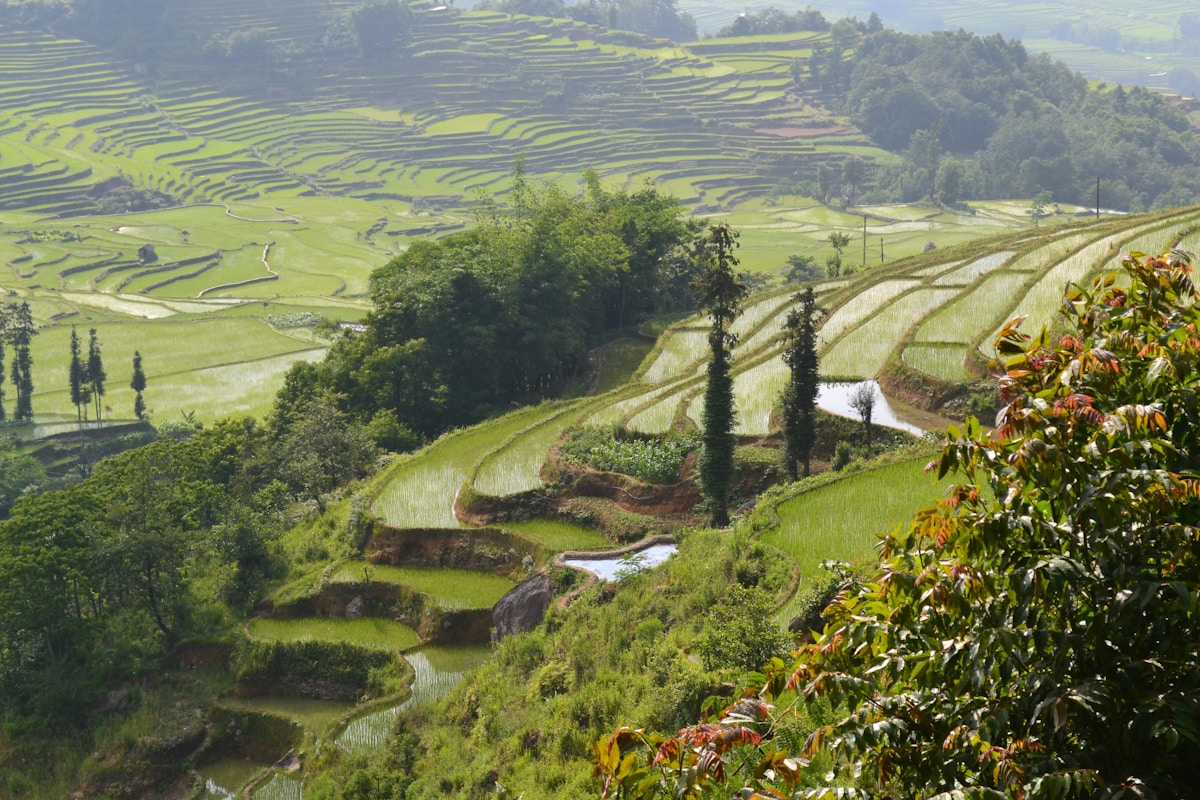
Da Lat is the only Vietnamese city where you need a jacket in the evening. The cool air and the landscape - rolling hills, pine forests, lakes, and fields of strawberries, roses, and artichokes - look nothing like the tropics. The French left a golf course, a train station (now restored and operating a tourist route), villas on hilltops, and the distinctive yellow Bao Dai Summer Palace.
The city is one of Vietnam’s main domestic tourist destinations. Vietnamese couples come for the romantic colonial atmosphere; families for the cooler climate escape from the southern heat. The tourist infrastructure is extensive, though the quality varies - some attractions are kitschy, while the natural sights and coffee culture are genuine highlights.
Things to do
Coffee farms and cafe culture
Da Lat is at the heart of Vietnam’s coffee-growing highlands. The Cau Dat tea and coffee plantation, approximately 25 km south-east of the city, is one of the most scenic in the country - rolling tea terraces at altitude with views to the surrounding mountains. Tours cost approximately ₫300,000–500,000 ($12–20) including transport and tastings as of 2026.
The city has a strong cafe culture - more cafes per resident than almost any Vietnamese city. Many are architecturally interesting: treehouses, underground cave-style spaces, flower-covered courtyards, and converted colonial villas. Specialty weasel coffee (ca phe chon) from farms in the surrounding hills costs ₫100,000–250,000 ($4–10) per cup. Standard Vietnamese coffee at good cafes costs ₫30,000–60,000 ($1.20–2.40).
Waterfalls and canyoning
Multiple waterfalls are accessible within 15–30 km of the city centre:
- Datanla Falls (7 km south): The most commercially developed, with a roller coaster track and adventure activities. Entry approximately ₫50,000 ($2). Also the main base for canyoning tours - abseiling, ziplining, and cliff jumping through the falls. Canyoning from approximately ₫700,000–1,200,000 ($28–48) per person as of 2026
- Elephant Falls (25 km south-west): A wide, powerful waterfall accessed by a steep scramble down slippery rocks. More natural and less developed than Datanla. Entry approximately ₫20,000 ($0.80)
- Pongour Falls (50 km south): Vietnam’s largest waterfall by width - a dramatic staircase of cascades. Best visited during or just after the wet season (September–November) for maximum water volume. Entry approximately ₫20,000 ($0.80)
Hiking and national park
Bidoup-Nui Ba National Park, 30 km north of the city, has trekking through old-growth montane forest with endemic bird species and diverse plant life. Full-day guided treks cost approximately ₫500,000–800,000 ($20–32) including transport and guide as of 2026. The park is the serious nature option - significantly more rewarding than the commercial attractions closer to the city.
Flower and produce farming
The surrounding plateau produces strawberries, artichokes, purple cauliflower, bell peppers, and large quantities of cut flowers (particularly roses) supplied to HCMC and Hanoi. The Dalat Flower Park (entry approximately ₫40,000 / $1.60) and the wholesale flower market (free) are both accessible and interesting.
French colonial sights
- Bao Dai Summer Palace: The last Vietnamese emperor’s highland retreat. Entry approximately ₫30,000 ($1.20). Open 07:00–17:00
- Dalat Railway Station: Restored 1930s Art Deco station with a short tourist train route. Entry approximately ₫10,000 ($0.40). The architecture is worth seeing regardless of the train ride
- Crazy House (Hang Nga Guesthouse): A fantastical building by architect Dang Viet Nga. Surreal, organic architecture - polarising but unique. Entry approximately ₫80,000 ($3.20) as of 2026
Food
Da Lat’s highland produce creates a food scene different from coastal Vietnamese cities:
- Avocado: Da Lat avocados are among the best in Vietnam. Avocado smoothie: ₫25,000–40,000 ($1–1.60)
- Strawberries: Fresh from the farm. Available at roadside stands and the central market from approximately ₫50,000–80,000 ($2–3.20) per kilogramme
- Grilled corn (bap nuong): Charcoal-grilled corn sold by street vendors around the lake. ₫15,000–25,000 ($0.60–1)
- Night market food: The night market has hot pot, grilled meats, and Vietnamese street food. ₫30,000–80,000 ($1.20–3.20) per person
- Artichoke tea: A Da Lat specialty. ₫10,000–20,000 ($0.40–0.80) per cup
Getting there
- By air: Lien Khuong Airport is 30 km south (30–40 minutes by taxi). Direct flights from Hanoi, HCMC, and Da Nang
- By bus: From HCMC (approximately 7 hours), Nha Trang (approximately 4 hours), and Mui Ne (approximately 5 hours). Open-tour buses are the standard budget option
- By motorbike: The scenic highland roads from Nha Trang or HCMC are popular motorbike routes. The road quality is good
Seasons
The dry season (December–April) has the most reliable weather for hiking and outdoor activities. The wet season (May–November) brings afternoon downpours - still viable for visiting but activity planning needs to account for rain. The coolest months are December–February, when evening temperatures drop to 12–15°C. The city is pleasant year-round.
Costs
Budget daily: ₫350,000–600,000 ($14–24). Mid-range: ₫600,000–1,500,000 ($24–60). Accommodation is generally cheaper than coastal beach cities. The main cost variable is activity spending - canyoning, coffee farm tours, and national park treks add up if done across multiple days. Browse Da Lat tours and activities including canyoning, easy rider motorbike trips, and coffee farm tours with verified reviews.
More in Da Lat
- Things to Do in Da Lat
- Da Lat Food Guide - Best Dishes and Where to Eat
- Best Restaurants in Da Lat
- Cooking Classes in Da Lat - Best Food Tours and Operators
- Da Lat Vegan Food Guide
- Best Coffee Shops in Da Lat
- Best Cafes to Work in Da Lat
- Hiking in Da Lat
- Best Hotels in Da Lat
- Best Hostels in Da Lat
- Day Trips from Da Lat
Nearby destinations
Plan your trip
Planning to visit? Browse hotels in Da Lat — free cancellation on most bookings.
Book an experience
Top experiences in Da Lat
Explore the best tours and activities in Da Lat , with instant confirmation and free cancellation on most bookings.
Frequently Asked Questions
- What is the temperature in Da Lat?
- Da Lat averages 18-22°C year-round thanks to its 1,500m elevation - the only Vietnamese city where you need a jacket in the evening. This is dramatically cooler than coastal Vietnam.
- When is the best time to visit Da Lat?
- December to April (dry season) has the most reliable weather for hiking and outdoor activities. The wet season (May-November) brings afternoon downpours but the city remains pleasant year-round.
- What is Da Lat famous for?
- Da Lat is known for its cool highland climate, coffee culture (it sits at the heart of Vietnam's coffee belt), flower and strawberry farms, French colonial architecture, and waterfalls including Vietnam's largest by width at Pongour.
- How much does a day cost in Da Lat?
- Budget daily costs are ₫350,000-600,000 ($14-24). Mid-range is ₫600,000-1,500,000 ($24-60). Specialty weasel coffee is the expensive exception at ₫100,000-250,000 ($4-10) per cup.