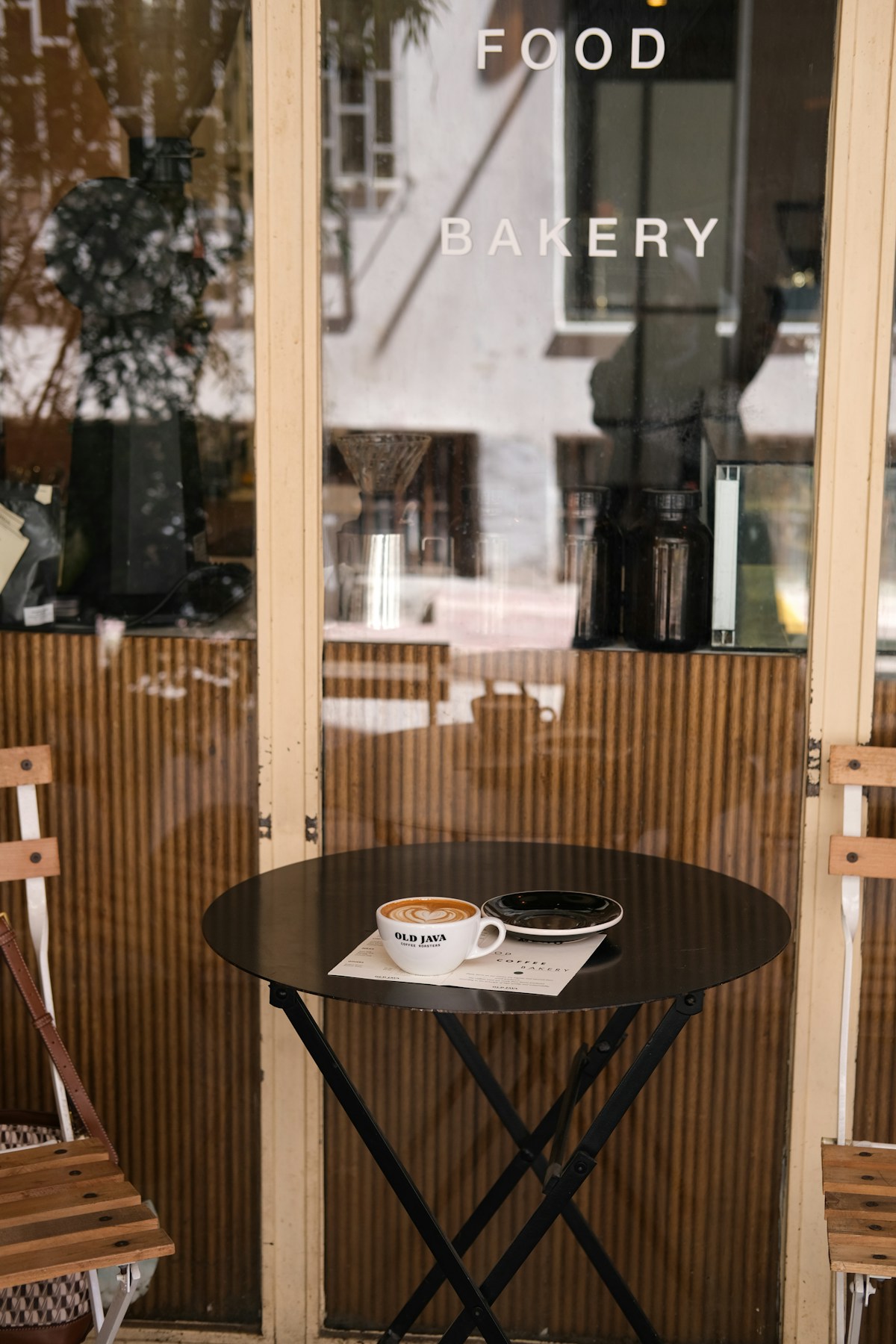
Da Lat is at the heart of Vietnam’s coffee belt. The Lam Dong and Di Linh highlands produce both Arabica and Robusta at altitude - unusually for Vietnam, where most coffee is lowland Robusta. The city itself has an extraordinary café culture.
Vietnam’s coffee context
Vietnam is the world’s second-largest coffee producer (after Brazil). Almost all Vietnamese coffee is Robusta - higher caffeine, stronger, and better suited to iced preparation with condensed milk. The Da Lat and surrounding highlands produce some of Vietnam’s small Arabica output, grown at 1,200–1,500m elevation.
The Vietnamese coffee culture centres on ca phe sua da (iced coffee with condensed milk) and phin-brewed coffee (slow drip through a metal filter). Both are available everywhere in Da Lat.
Weasel Coffee (Ca Phe Chon)
Da Lat is the centre of Vietnam’s weasel (civet) coffee industry. Coffee cherries are consumed by Asian palm civets; the beans pass through the digestive system and are collected, cleaned, dried, and roasted. The enzymatic process during digestion is said to reduce bitterness and add complexity.
Wild vs farmed: Wild-harvested weasel coffee is produced by collecting from civets in forest areas. This is expensive and rare. The majority of commercial ca phe chon comes from caged civets - an industry with significant animal welfare concerns.
Price: Genuine wild weasel coffee: ₫150,000–350,000 ($6–14) per cup. Farmed versions: ₫80,000–150,000 ($3.20–6). Standard drip coffee elsewhere in Da Lat: ₫20,000–50,000 ($0.80–2).
Tasting: The flavour difference from regular high-quality Arabica is subtle. Connoisseurs describe it as smoother and less bitter. Whether this justifies the price (or the animal welfare trade-off for the farmed version) is a personal judgement.
Cau Dat Coffee and Tea Farm
25km south of Da Lat on the road to Bao Loc. A French colonial-era agricultural station converted to a working tea and coffee farm. The terraced tea bushes at 1,500m, often in morning mist, are one of the most photogenic landscapes in southern Vietnam.
Visit: The farm has a cafe on-site serving tea and coffee from the plantation. ₫30,000–60,000 ($1.20–2.40) for a cup with a view. The farm road is accessible by motorbike (30 minutes from Da Lat).
Tour: Guided tours of the processing facilities are available, showing the picking, drying, and roasting process.
Best specialty coffee in Da Lat
43 Factory Coffee: The Da Lat branch of this quality specialty roaster (based in Da Nang). Serious espresso, filter, and specialty brewing. The best coffee quality in the city. ₫50,000–90,000 ($2–3.60).
Nguyen Coffee Supply: A local roaster with direct relationships with highland farms. Good selection of Arabica and Robusta, cupping sessions available. ₫40,000–80,000 ($1.60–3.20).
Me Linh Coffee Garden: Primarily a spectacle destination (hillside garden with valley views and photogenic chairs) rather than a specialty coffee destination. The coffee is basic. Worth visiting for the view; don’t expect quality coffee.
Da Lat cafe culture (the broader picture)
Da Lat has more unique cafes per square kilometre than any other Vietnamese city. The creative architecture - tree houses, underground rooms, flower gardens, vintage French-style interiors - is a tourism draw in its own right. Many cafes are designed to be photographed. The coffee quality varies considerably from the architecturally impressive but coffee-weak tourist cafes to the proper specialty operations.
Useful links:
More in Da Lat
- Best Cafes to Work in Da Lat 2026: Highland Cafes with Wifi
- Best Hostels in Da Lat 2026: Budget Stays in the Highland City
- Best Hotels in Da Lat 2026: Colonial Villas and Lake View Hotels
- Best Restaurants in Da Lat 2026: Banh Mi, Hotpot and Highland Food
- Day Trips from Da Lat 2026: Coffee Farms, Nha Trang Drive and Waterfalls
- Da Lat Food Guide 2026: What to Eat in Vietnam’s Highland City
- Hiking in Da Lat 2026: Bidoup Park, Waterfalls and Highland Trails
- Things to Do in Da Lat 2026: Waterfalls, Coffee Farms and Hiking
- Vegan Food in Da Lat 2026: Highland Produce and Plant-Based Cafes
- Best Hotels in Da Lat 2026: Lakeside Villas to Budget Guesthouses