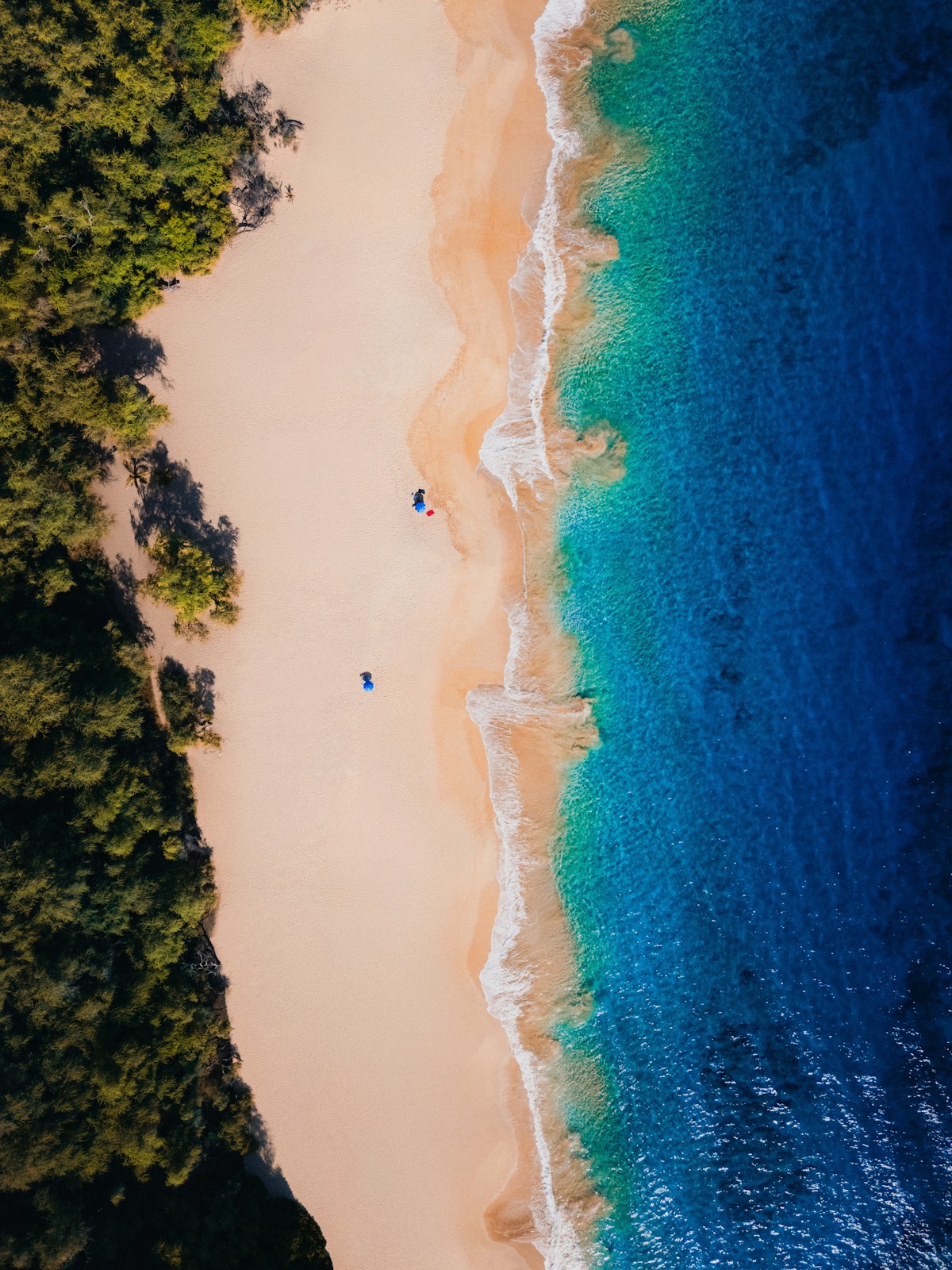
Mui Ne 2026: Vietnam's Kitesurfing Capital and Sand Dune
Mui Ne travel guide covering kitesurfing, red and white sand dunes, the fishing village, and this breezy coastal resort town 200km from Ho Chi Minh City.
Guides for Mui Ne
Mui Ne is a coastal strip of resorts and kitesurfing schools on the southern Vietnamese coast, 200km east of HCMC. The area is defined by three things: consistent onshore winds that make it one of Southeast Asia’s best kitesurfing destinations, unusual red and white sand dunes that extend inland from the coast, and a fishing village that predates the resort development.
What Mui Ne is
Technically Mui Ne is a cape at the eastern end of the resort strip - most of the accommodation and activity is spread along the 10km road from Ham Tien town through to the cape. The area is known collectively as Mui Ne even when referring to the broader strip.
The resort strip feels like a beach resort destination that was built quickly and without much planning - a linear road with resorts and restaurants on the sea side, some kite schools, and the dunes accessible by taxi or motorbike. It lacks the polish of Phu Quoc or the heritage of Hoi An, but the kitesurfing and the dune landscape justify the visit for the right traveller.
The wind
Mui Ne receives consistent northeast winds from November to April, with the strongest season being December–February. Wind speeds of 15–25 knots are common. This is what drives the kitesurfing economy - the beach is lined with kite schools.
The dunes
Red Dunes (Doi Cat Do): 3km from the main strip. Iron-rich sand creating orange-red dunes. The dunes are modest in scale (10–15m) but photogenic. Sunrise and sunset visits are best. Sandboarding plastic sleds are available from vendors.
White Dunes (Bau Trang - White Lake Dunes): 50km west of the strip, near Bau Trang lake. Much larger and more impressive than the Red Dunes - pale white sand dunes at a scale that approaches a desert landscape, with a freshwater lake at the base. Worth the extra distance.
Season
The kitesurfing season (November–April, peak December–February) is when Mui Ne is most active. The summer months (May–October) are calmer, hotter, and less interesting for water sports. The town continues operating year-round.
Costs
Budget: ₫300,000–600,000 ($12–24) per day as of 2026. Kite school beginner course: ₫2,500,000–4,000,000 ($100–160) for 9–12 hours of instruction. Resort hotels: ₫600,000–3,000,000 ($24–120).
Kitesurfing schools
Mui Ne has approximately 15–20 kite schools along the strip, most concentrated in the Ham Tien area. The schools operate during the wind season (November–April) with reduced activity in summer. All reputable schools are IKO certified.
Beginner courses: Typically 9–12 hours across 3–4 days, with all equipment included. ₫2,500,000–4,000,000 ($100–160) per person as of 2026. Browse Mui Ne tours and dune activities for sand dune jeep tours, kite lessons, and day trips.
Equipment rental: For experienced kiters, equipment hire costs approximately ₫500,000–1,000,000 ($20–40) per day as of 2026.
Storage: Most kite-area guesthouses provide equipment storage. If staying for a multi-day course, accommodation near your school eliminates carrying equipment on the beach.
The fishing village
The Mui Ne fishing village at the eastern end of the strip predates the resort development. The harbour is active with round bamboo basket boats and wooden fishing boats returning with the morning catch. The visual scene - hundreds of colourful boats in the bay - is photogenic and genuine. Best visited early morning (06:00–08:00) when the boats come in.
Getting to Mui Ne
From HCMC: Express bus from Mien Dong Bus Station takes 4–5 hours. ₫120,000–200,000 ($4.80–8) as of 2026. Several operators including Phuong Trang. Open-tour buses drop at the Mui Ne strip directly.
From Da Lat: Buses take approximately 4 hours via the mountain road. ₫120,000–180,000 ($4.80–7.20). A scenic route through the central highlands.
From Nha Trang: Buses take approximately 4–5 hours along the coast. ₫120,000–180,000 ($4.80–7.20).
Food
The strip has a mix of Vietnamese seafood restaurants and international options serving the expat kite community. Fresh seafood is available from the fishing village harbour. Phan Thiet town (5km west) has cheaper local food including the local banh mi - a rice flour pancake rather than the standard baguette sandwich.
More in Mui Ne
- Things to Do in Mui Ne
- Mui Ne Beaches Guide
- Sand Dunes in Mui Ne
- Water Sports in Mui Ne
- Best Restaurants in Mui Ne
- Best Hotels in Mui Ne
- Best Hostels in Mui Ne
Nearby destinations
Plan your trip
- 2 Weeks in Vietnam - The Classic North to South Itinerary
- Vietnam Backpacker Route
- 1 Week in South Vietnam - HCMC, Mekong Delta and Phu Quoc
- Best Time to Visit Vietnam - when Mui Ne’s kite season peaks (November–April)
- Vietnam Budget and Costs - Mui Ne is one of the more affordable coastal stops
Planning to visit? Browse hotels in Mui Ne — free cancellation on most bookings.
Book an experience
Top experiences in Mui Ne
Explore the best tours and activities in Mui Ne , with instant confirmation and free cancellation on most bookings.
Frequently Asked Questions
- When is the best time to visit Mui Ne for kitesurfing?
- November to April is the kite season, with peak winds of 15-25 knots in December-February. The northeast monsoon delivers consistent onshore winds during this period.
- How far is Mui Ne from Ho Chi Minh City?
- Mui Ne is 200km east of HCMC, approximately 4-5 hours by bus or car.
- How much does a kitesurfing course cost in Mui Ne?
- A beginner course (IKO certified, 9-12 hours of instruction across 3-4 days) costs 2,500,000-4,000,000 VND ($100-160) per person. All equipment is included.
- What is the difference between the Red Dunes and White Dunes at Mui Ne?
- The Red Dunes are 3km from the strip - iron-rich orange-red sand dunes, photogenic but modest in scale (10-15m). The White Dunes at Bau Trang are 50km west - much larger pale white sand dunes approaching desert scale, with a freshwater lake at the base.