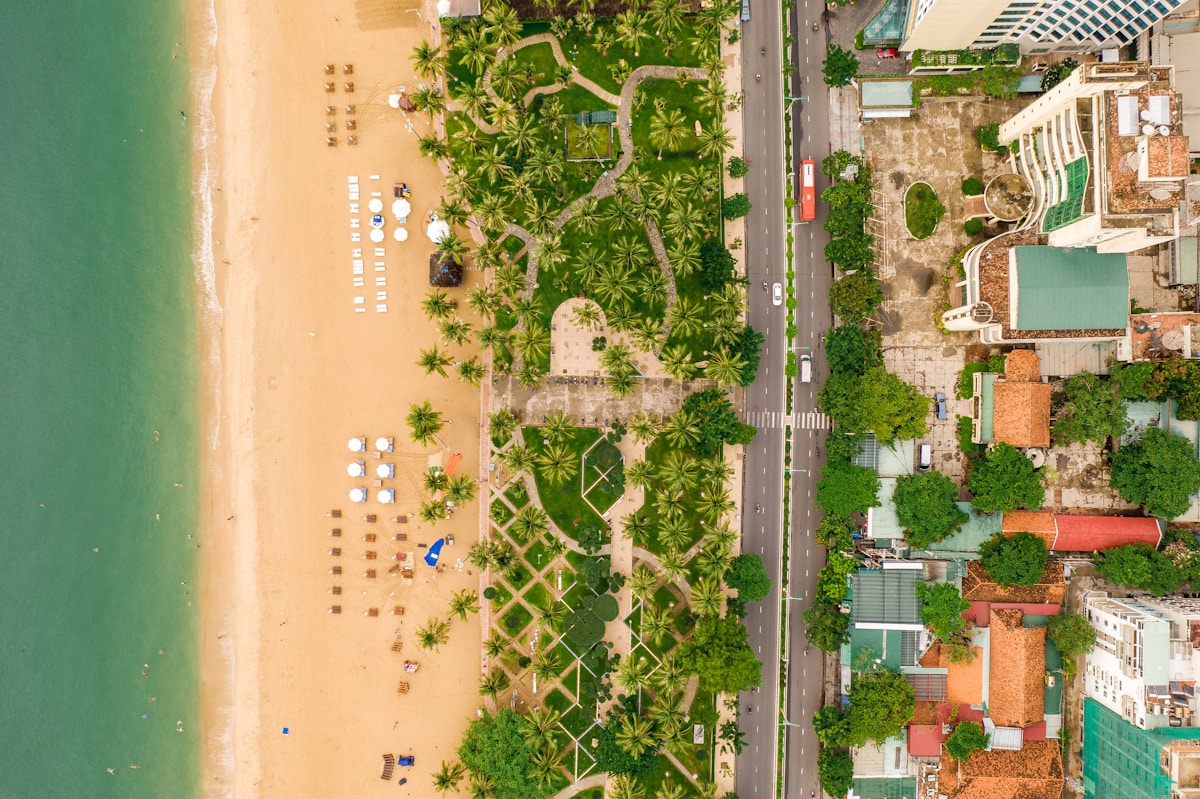
May marks a turning point in Vietnam’s weather calendar. The south enters its rainy season, but the north and centre are warm, dry, and entering their best period. For travellers focused on the central coast or the northern highlands, May is an excellent choice.
Weather by Region
North (Hanoi, Ha Long Bay, Sapa): Hot and mostly dry, with Hanoi at 28-33°C. Humidity is rising but sustained rain is still uncommon. Ha Long Bay is warm and generally clear - swimming and kayaking are comfortable. Sapa warms to 20-25°C during the day. Rice planting begins in the terraced valleys of Sapa and Mu Cang Chai in May-June, with farmers flooding the paddies and transplanting seedlings. The terraces become mirrors reflecting the sky - a distinctive photographic opportunity.
Central (Hue, Da Nang, Hoi An): Peak dry season begins. Temperatures hit 30-34°C with minimal rain. Da Nang’s beaches are in top condition. Hue is hot but manageable for exploring the citadel and tombs. In even-numbered years, the Hue Festival may extend into May.
South (Ho Chi Minh City, Mekong Delta, Phu Quoc): The wet season arrives. HCMC experiences afternoon thunderstorms - heavy but typically lasting 1-2 hours. Mornings remain sunny. Phu Quoc sees increasing rain and rougher seas on the western coast. The Mekong Delta’s water levels begin to rise.
What to Do in May
Central coast beaches: May through August is Da Nang’s dry season. My Khe Beach, An Bang Beach near Hoi An, and the quieter stretches around Quy Nhon are all excellent. The domestic summer rush does not begin until June, so May offers good conditions with fewer crowds.
Phong Nha Caves: May is within the optimal window. Water levels are low, all caves are open, and the national park’s jungle trails are accessible. The heat makes the cave interiors (consistently cool at 20-22°C) particularly welcome.
Sapa and Mu Cang Chai: The rice planting season transforms the northern terraces. Farmers flood the paddies in May-June, creating a patchwork of water-filled terraces against green hillsides. Trekking conditions are warm and mostly dry, though afternoon cloud buildup is possible. This is a different kind of beauty from the golden harvest in September-October.
Ha Long Bay: Warm water and clear skies make May one of the strongest months for Ha Long Bay cruises. Swimming from the boat, kayaking through the grottoes, and visiting Cat Ba Island are all comfortable. Book cruises ahead - the improving weather brings increasing demand. Browse Ha Long Bay cruises and book ahead for May.
Mekong Delta: The early wet season means rising water but still-manageable boat travel. Cai Rang floating market operates year-round. The fruit orchards produce mangosteen, rambutan, and durian through the wet season months.
Reunification Day
April 30 (Reunification Day) and May 1 (International Workers’ Day) create a national holiday period. Vietnamese domestic travel surges during this window. Expect busy transport, full hotels in popular destinations, and higher prices in the first days of May. If your trip overlaps, book transport and accommodation well in advance.
Practical Tips
- Rain in the south: Afternoon storms in HCMC and the Mekong are predictable. Schedule outdoor activities for the morning. A light waterproof jacket or compact umbrella is essential.
- Pricing: Early May (around the public holidays) sees a spike. After the first week, prices normalise. The central coast is not yet at peak pricing - that comes in June-July with domestic summer holidays.
- Packing: Light, breathable clothing. Sun protection for the central coast. A waterproof layer for the south and for unpredictable afternoon cloud in the northern highlands.
- Visa: E-visa required for most Western nationals (apply at xuatnhapcanh.gov.vn). Phu Quoc has a separate visa-free arrangement.
- Getting around: Domestic flights connect all major cities. The Reunification Express train is scenic along the coast. Grab (ride-hailing app) is reliable in all cities.
See Also
- Best time to visit Vietnam - full seasonal overview for every region
- Sapa trekking guide - rice planting season terraces in May
- Hoi An travel guide - central coast dry season begins in May
- 10-day central Vietnam itinerary - the ideal route for May travel
- Vietnam budget and costs - May pricing before high season peaks
- Ha Long Bay cruises guide - early May is still good before typhoon season risk
- Da Nang travel guide - May beach weather is warm with consistent sun
Plan Your Trip
✈️ Book your flights to Vietnam 🛡️ Get travel insurance 📱 Stay connected with an eSIM 🚗 Rent a car