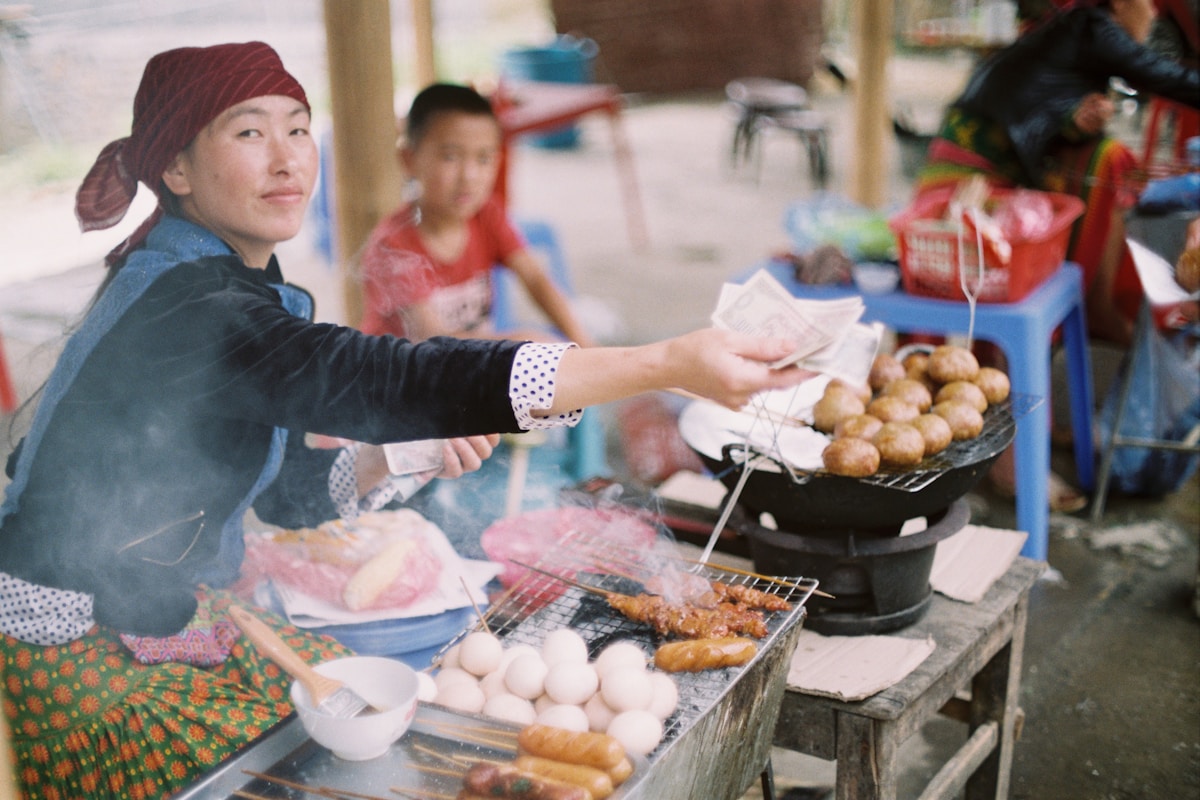
Hoi An is the cooking class capital of Vietnam. The combination of Central Vietnamese cuisine - arguably the most complex and flavourful in the country - with a well-established culinary school scene makes it the obvious place to learn. For accommodation and what else to do during your stay, see our Hoi An travel guide. Most classes follow a consistent format: market visit in the morning, cooking session mid-morning, eat what you cooked for lunch. The differences are in location, group size, and the specific dishes taught.
Top Tours at a Glance
Here’s a quick comparison of top-rated tours on GetYourGuide:
| Tour | Duration | Price (from) | Group Size | Highlights |
|---|---|---|---|---|
| Hoi An Cooking Class with Market Tour | 3.5–4 hrs | from $30/person | Up to 12 | Market visit, 4–5 dishes, eat what you cook |
| Cooking Class, Market Tour & Basket Boat | 5 hrs | from $42/person | Small group | Tra Que village, basket boat, 5 dishes |
| Red Bridge Half-Day Class | 4 hrs | from $40/person | Up to 15 | Boat transfer to river island, cao lau & white rose |
| Grandma’s Home Cooking Class | 3–4 hrs | from $30/person | Max 8 | Intimate home kitchen, traditional Central recipes |
| Market, Boat Ride & Cooking Class | 5–5.5 hrs | from $45/person | Small group | Local market, Thu Bon River boat, 5+ dishes |
Browse all Hoi An cooking classes → GetYourGuide
How Hoi An Cooking Classes Work
The typical class runs 3–4 hours and teaches 4–8 dishes. You’ll start at Hoi An Central Market (or Hoi An Organic Farm, depending on the school), guided through fresh herb identification, local produce, and the specific ingredients that define Central Vietnamese cooking. The cooking session covers dishes like cao lau (thick wheat noodles with pork and greens, made with water from a specific Hoi An well), white rose dumplings (banh bao vac), and pho.
You eat everything you cook at the end of the class, usually with a glass of local rice wine included. Recipes are provided to take home.
Group sizes matter. Large classes (15–20 people) mean less individual attention and a more production-line feel. Look for classes capped at 8–12 people if hands-on experience is important to you.
Schools and Prices (as of 2026)
Red Bridge Cooking School - the longest-established school in Hoi An, located on a river island 4 kilometres from the Ancient Town. Getting there is half the experience: a 35-minute boat ride through the Thu Bon River delta. Half-day class (including boat transfer and market visit) from approximately $40/person. Teaches Central Vietnamese classics including cao lau and white rose dumplings. Maximum 15 people per session.
Morning Glory Restaurant - run by Trinh Diem Vy, one of Hoi An’s most recognised chefs and cookbook authors. Classes held in the kitchen above their Ancient Town restaurant, preceded by a walking tour of the market. From approximately $35/person for a 3.5-hour class, maximum 12 students. Strong emphasis on technique and the historical context of Hoi An dishes. Book directly via their website; popular and often fully booked 1–2 weeks ahead.
Thien Duong Cooking School (Paradise Cooking School) - riverside setting, smaller groups (max 8), from approximately $30/person. Class includes a herb garden visit and a sampler of 5–6 dishes. Less internationally recognised than Morning Glory or Red Bridge but consistently well-reviewed.
Hoi An Eco Cooking Class - based at Tra Que Vegetable Village, 3 kilometres north of the Ancient Town. The class starts with a working session in the organic vegetable fields before moving to the kitchen. From approximately $25–35/person for 4 hours, including herb garden tour, 4 dishes, and bicycle hire to reach the village. Best for travellers interested in the agricultural context of Vietnamese cooking.
Baby Mustard - small-group class (max 6) in a courtyard setting in the Ancient Town. From approximately $30/person, 3.5 hours, with a focus on Northern and Central Vietnamese dishes. Particularly good for solo travellers who want a conversational, home-kitchen atmosphere rather than a structured school environment.
What’s Typically Included
- Market or farm visit with guide (approximately 45 minutes)
- Hands-on cooking instruction (2–3 hours)
- Sit-down lunch of everything you’ve cooked
- Recipes to take home
- Drinking water and usually one complimentary drink (rice wine or fresh juice)
- Boat transfer (Red Bridge only)
Not typically included: drinks beyond the welcome drink, tips, and transport to the school unless specified.
Dishes You’ll Likely Learn
Central Vietnamese cuisine is considered more complex and spice-forward than Hanoi or Ho Chi Minh City cooking. Classes typically include a selection from:
- Cao lau - thick noodles with char siu-style pork, crispy rice crackers, and greens. Hoi An-specific dish; the water used in the noodles is traditionally drawn from a single ancient well.
- White rose dumplings (banh bao vac) - translucent steamed dumplings shaped like roses, filled with shrimp paste. Made only in Hoi An and served with crispy shallots and dipping sauce.
- Mi Quang - turmeric-yellow noodles with pork, shrimp, peanuts, and fresh herbs. Quang Nam province’s signature dish.
- Banh xeo - crispy sizzling pancake with bean sprouts, pork, and shrimp, eaten wrapped in rice paper with lettuce.
- Fresh spring rolls - straightforward but technical; useful to learn the rice paper softening technique correctly.
How to Book
Browse Hoi An cooking class listings on GetYourGuide - verified reviews and easy cancellation. Morning Glory and Red Bridge both have direct booking on their own websites, which is marginally cheaper and avoids commission. Book at least 5–7 days ahead from February to May and October to November when demand peaks.
Best Time to Go
March to August offers the most pleasant conditions for morning market visits - warm, dry, and clear before the midday heat. October and November are Hoi An’s wettest months and some outdoor farm-based classes adjust their schedule, but most indoor classes continue regardless of weather.
Classes typically start between 8–9am to align with morning market activity. Afternoon classes are occasionally available but the market experience is morning-only.
See Also
- Hoi An travel guide - the full city guide with accommodation, transport, and things to do
- Hoi An food to try - the dishes you’ll learn in class and where to eat them on the street
- Essential Vietnamese dishes guide - context for Central versus Northern and Southern cuisines
- 10-day central Vietnam itinerary - how Hoi An fits into a broader central route