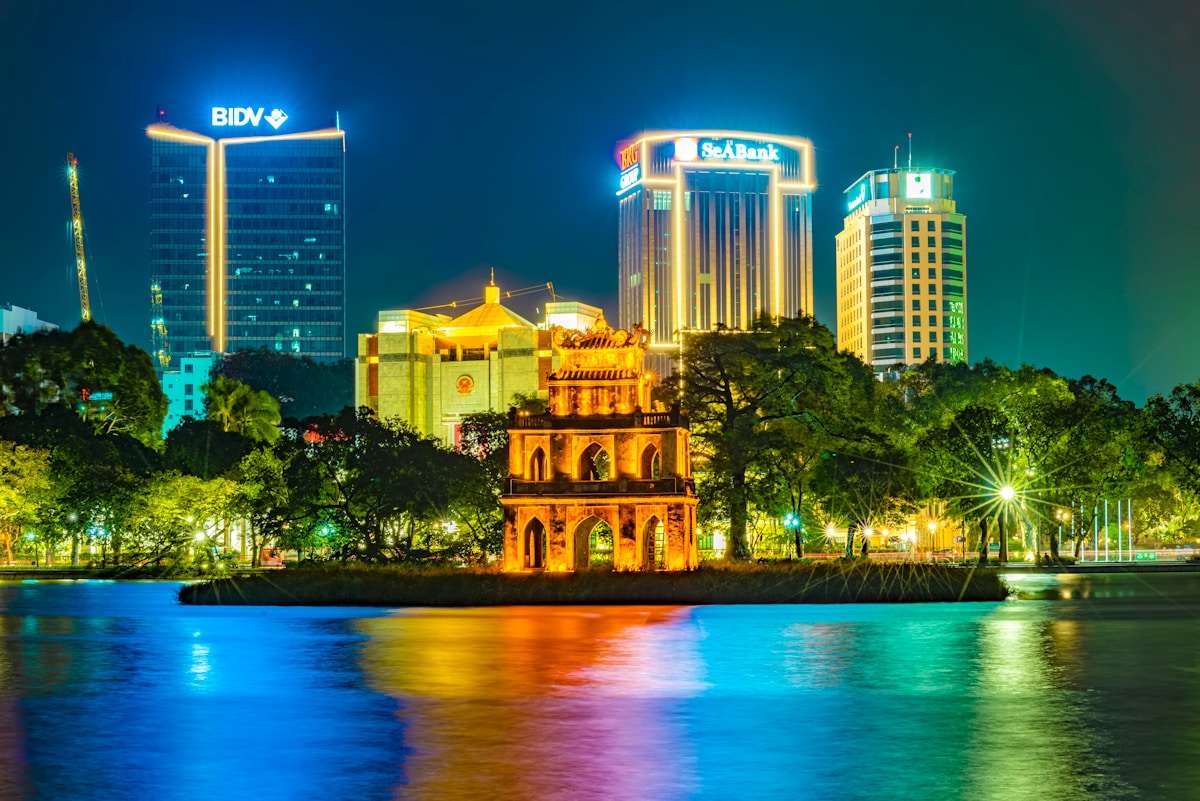
February is defined by Tet - Vietnamese Lunar New Year - which falls in late January or February depending on the lunar calendar. Whether this is a draw or a complication depends on your planning.
Weather by Region
North (Hanoi, Ha Long Bay, Sapa): Cool and dry, warming slightly toward the end of the month. Hanoi averages 17-22°C with occasional mist. Ha Long Bay fog remains possible but is less persistent than in December-January - visibility for cruises improves as the month progresses. Sapa is cold (5-12°C at night) with frost at higher elevations. The terraces are bare between harvest cycles, so the scenery is less dramatic than in green season.
Central (Hue, Da Nang, Hoi An): The wet season is ending. By mid-February, Da Nang and Hoi An are mostly dry with temperatures around 21-25°C. Hue receives slightly more rain than the coast but is increasingly pleasant. This is the beginning of a strong period for the central coast that runs through to August.
South (Ho Chi Minh City, Mekong Delta, Phu Quoc): Full dry season. HCMC is hot (28-33°C) and sunny. Phu Quoc has flat seas, excellent beach conditions, and warm water. The Mekong Delta is easily navigable with water levels at a comfortable mid-point.
Tet: What to Expect
Tet is Vietnam’s most important celebration. For 5-7 days around the lunar new year, the country transforms. In 2027, Tết falls on 6 February — see our Tết Nguyên Đán 2027 guide for full dates, city-by-city celebration guides, and traveller tips. Key impacts for travellers:
- Transport: Trains and domestic flights sell out weeks in advance as millions travel to their home provinces. Book transport for the Tet period at least a month ahead, ideally more.
- Business closures: Many restaurants, shops, and local businesses close for 3-7 days. Tourist-oriented hotels and restaurants in Hanoi, HCMC, and Hoi An generally stay open but may have reduced menus and services.
- Pricing: Hotel rates across the country jump to 2-3x normal during Tet week. This premium applies even in budget categories.
- Cultural experience: Flower markets (especially Nguyen Hue in HCMC and Hang Luoc in Hanoi), temple visits, lion dances, and midnight fireworks on New Year’s Eve. The atmosphere is warm and welcoming - Vietnamese families often invite foreign visitors to join celebrations.
If you want the cultural experience, plan for Tet. If you want hassle-free travel, aim for the week after Tet when businesses reopen and prices normalise but the festive decorations remain.
What to Do in February
Southern beaches: Phu Quoc and Mui Ne are at their peak. Phu Quoc’s visa-free access (up to 30 days for most nationalities) makes it an easy add-on. Con Dao, accessible by flight from HCMC, is entering its best season with calm seas.
Ha Long Bay: Winter cruises continue with fewer boats than summer. The cool temperatures (15-18°C on the water) are comfortable for kayaking and cave exploration. Morning fog can create dramatic photos of the karsts emerging from mist. Browse Ha Long Bay cruises for February departures.
Phong Nha Caves: February marks the start of the best access window for Phong Nha-Ke Bang National Park. Water levels in the cave systems drop, making Paradise Cave, Phong Nha Cave, and the Dark Cave reliably accessible. Son Doong expeditions (booked months in advance through Oxalis) begin their season.
Mekong Delta: The delta is at its most photogenic in dry season. Cai Rang floating market near Can Tho operates daily from around 5am - arrive by 6am for the busiest trading. Water levels are moderate, making boat navigation straightforward.
Practical Tips
- Tet dates: Check the exact Tet dates for your travel year before booking anything. The lunar calendar shifts the dates annually.
- Packing: Light layers for the north, summer clothes for the south. A light jacket for Ha Long Bay cruises and Sapa.
- Visa: E-visa required for most Western nationals (apply at xuatnhapcanh.gov.vn). Phu Quoc has a separate visa-free arrangement.
- Getting around: Domestic flights (Vietnam Airlines, VietJet, Bamboo Airways) are the fastest way to cover distance. The Reunification Express train is scenic but slow. Overnight buses connect most cities.
See Also
- Tết Nguyên Đán 2027 - full guide to dates, celebrations, food traditions, and what to expect
- Best time to visit Vietnam - full seasonal overview for every region
- Ha Long Bay cruises guide - February is one of the best months for cruising
- Sapa trekking guide - cold and clear conditions in February
- 1-week south Vietnam itinerary - ideal route for February’s southern dry season
- Vietnam budget and costs - Tet pricing impacts to budget for
- Hanoi travel guide - February is Tet season, one of the most atmospheric times to visit
- Hoi An travel guide - the Lantern Festival is especially beautiful in February cool weather
- Phu Quoc travel guide - February is peak beach season on the island
Plan Your Trip
✈️ Book your flights to Vietnam 🛡️ Get travel insurance 📱 Stay connected with an eSIM 🚗 Rent a car