August is the last full month of Vietnamese school summer holidays, keeping domestic tourism numbers high on the central coast. The northern highlands are at their greenest, and the monsoon season is well established in both the north and south. For travellers willing to work around afternoon rain, August offers lush landscapes and fewer international tourists than the October-March high season.
Weather by Region
North (Hanoi, Ha Long Bay, Sapa): The hottest and wettest period continues. Hanoi averages 33-36°C with high humidity and frequent afternoon thunderstorms that can dump 50-100mm in a single session. Ha Long Bay is warm and hazy; cruises run but expect reduced visibility and occasional storm cancellations. Sapa receives heavy monsoon rain (August is typically the wettest month), which makes trekking muddy but keeps the rice terraces at peak green. Mu Cang Chai’s terraces are fully grown and lush - the rice is tall and deep green before turning golden in September.
Central (Hue, Da Nang, Hoi An): Still dry and hot, with Da Nang and Hoi An reaching 34-36°C. Rainfall is minimal. The last stretch of reliable beach weather before the wet season begins in September-October. Sea conditions are generally calm, though the South China Sea typhoon season means storms can approach with 3-5 days warning. Hue is similarly hot and dry.
South (Ho Chi Minh City, Mekong Delta, Phu Quoc): Deep into the wet season. HCMC sees daily downpours, usually in the afternoon, with mornings often clear enough for sightseeing. Phu Quoc has rough western seas and frequent rain - not beach season. The Mekong Delta water levels continue rising, with the annual flood cycle building toward its September-November peak. Floating markets still operate but boat trips may be disrupted by heavy rain.
What to Do in August
Central coast beaches: Da Nang and Hoi An beaches remain the top choice. This is the final month before autumn rains arrive on the central coast. Weekend crowding from domestic tourists is significant - mid-week visits are noticeably quieter.
Ha Giang Loop: The famous motorbike route through Vietnam’s far north is at its most scenic in August. The rice paddies along the loop are fully green, the mountains are dramatic with cloud and mist, and river valleys are lush. Roads can be slippery after rain. We recommend an experienced driver if you are not confident on mountain roads. Browse Ha Giang loop tours and Easy Rider guides.
Mu Cang Chai and Sapa terraces: The terraces are at maximum green. Photographers favour September-October for the golden harvest, but August’s deep green is equally striking. Accommodation in Mu Cang Chai is limited - book ahead. Sapa trekking is wet and muddy; waterproof boots and leech socks are not optional.
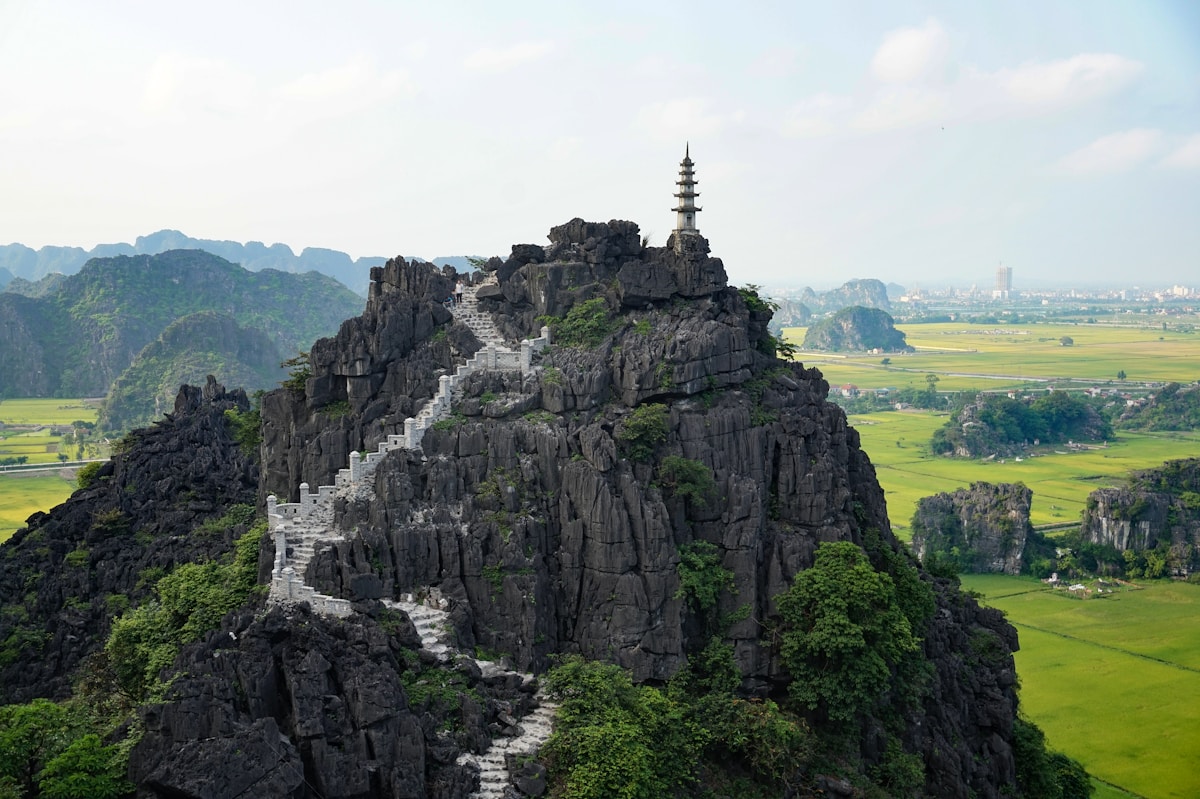
Ninh Binh: The Tam Coc and Trang An boat rides are at their most photogenic with the rice at full height. Expect rain but the karst landscape is dramatic in wet conditions. Hang Mua viewpoint is slippery when wet - take care on the stone steps.
Diving: Nha Trang diving is functional in August with 10-15 metre visibility, though not at its best. Con Dao’s eastern reefs become accessible in August as conditions shift, offering whale shark sightings in some years - but conditions are variable and trips may be cancelled at short notice.
Festivals and Events
August sometimes overlaps with the Hungry Ghost Festival (Vu Lan, 15th of the seventh lunar month), Vietnam’s equivalent of a day of the dead. Families burn paper offerings on pavements and leave food outside homes and shops. Buddhist pagodas hold special ceremonies. The festival also serves as a Vietnamese Mother’s Day - people wear red roses (mother living) or white roses (mother deceased).
The school holiday period ends in late August, after which domestic tourism drops and pricing eases.
Practical Tips
- Pricing: Still summer holiday pricing until late August. Central coast hotels and flights remain expensive and busy. After schools reopen (typically late August), prices drop 20-30% almost immediately.
- Packing: Light clothing for extreme heat. A quality rain jacket is essential for the north and south. Waterproof bags for electronics are worth carrying. Reef-safe sunscreen for the central coast.
- Storm preparation: Have travel insurance that covers typhoon disruption. Monitor the Vietnam Meteorological Agency forecasts if on the coast. Hotels and tour operators are experienced at managing typhoon warnings.
- Getting around: Domestic flights book out on the HCMC-Da Nang and Hanoi-Da Nang routes. Book 2-3 weeks ahead. The Reunification Express train is a scenic alternative along the coast. Overnight buses cover most routes.
- Visa: Most Western passport holders need an e-visa (apply at xuatnhapcanh.gov.vn). Check current requirements before travel.
See Also
- Best time to visit Vietnam - full seasonal overview for every region
- Travel insurance for Vietnam - typhoon coverage is essential in August
- Da Nang travel guide - August is peak beach season despite typhoon risk
- Sapa trekking guide - terraces are deep green in August
- Ha Long Bay cruises guide - August typhoon season considerations
- Sapa travel guide - the highland destination avoids the worst coastal weather in August
- Da Lat travel guide - cool highland alternative when coastal and lowland Vietnam is sweltering
Plan Your Trip
✈️ Book your flights to Vietnam 🛡️ Get travel insurance 📱 Stay connected with an eSIM 🚗 Rent a car