Sapa Travel Guide 2026: Rice Terraces
Sapa travel guide: rice terraces, Hmong and Dao villages, Fansipan summit, trekking routes, and the best time to visit for harvest season.
Guides for Sapa
Sapa sits at 1,600m in the Hoang Lien Son mountain range in Lao Cai province, 380km northwest of Hanoi. It was a French hill station before becoming one of Vietnam’s most visited destinations. The draws are specific: the terraced rice paddies that cascade down the valley slopes, the ethnic minority communities (Black Hmong, Red Dao, Tay, Giay) who maintain distinct cultures and dress, and Fansipan - at 3,143m, the highest peak in Indochina.
Quick facts
- Altitude: 1,600m (the town). Fansipan summit: 3,143m.
- Temperature: Much cooler than the lowlands year-round. December–February can drop to near freezing with occasional frost. April–June is warm (18–25°C). July–August is the rainy season - expect daily rain and possible cloud cover. September–October is the harvest season and the best visual period.
- Getting there: Overnight train from Hanoi to Lao Cai (8–9 hours), then 38km bus to Sapa (1 hour). Or direct buses from Hanoi (5–6 hours). Both take roughly the same total time. The train is more comfortable. Book airport transfers to simplify the Lao Cai–Sapa leg.
- Currency: Vietnamese Dong (₫). Most restaurants and accommodation cash only in rural areas; Sapa town has ATMs.
The rice terraces
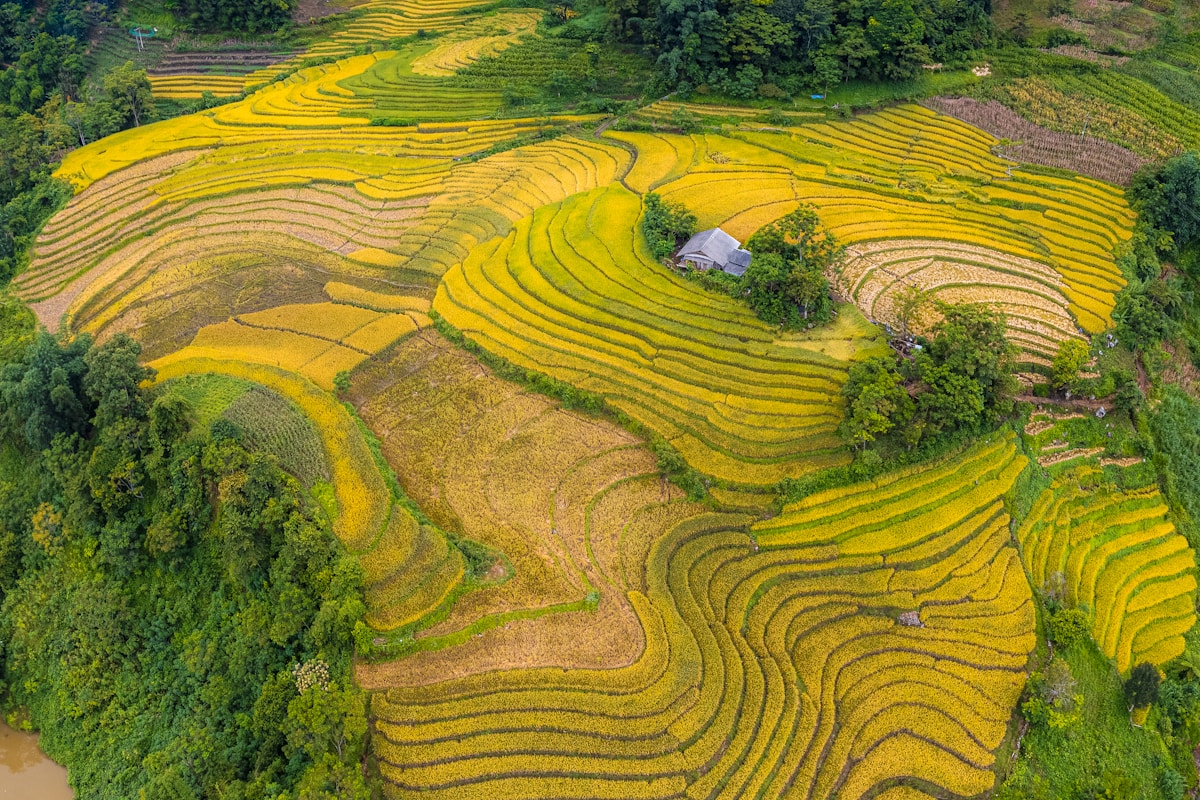
The Muong Hoa Valley terraces are the main image associated with Sapa. The terraces were built by the Hmong and Dao people over centuries of agricultural labour - each terrace is held in place by earthen walls and flooded for rice cultivation. The visual effect - cascading greens in early growth, gold during harvest - is one of the most striking agricultural landscapes in Asia.
When to see them: September–October harvest is the peak visual period. The paddies turn gold and the harvest brings activity to the terraces. June–July is the flooded green period just after planting - a different but equally beautiful view. March–May is clear and green. November–February: the terraces are largely bare (post-harvest) and the weather is cold and often foggy.
The Hmong and Dao communities
The Black Hmong are the most visible ethnic group in Sapa town - women in traditional indigo-dyed dress operate market stalls and lead trekking groups. The Red Dao are distinguished by their distinctive red headdresses and embroidered clothing. Both communities have maintained their languages, traditions, and dress despite generations of outside influence.
The trekking economy in Sapa is now significantly commercialised - most “homestays” within 5km of Sapa town are purpose-built for tourism and charge accordingly. For more authentic contact with ethnic minority communities, you need to trek further (to villages like Ban Ho, Sin Chai, or Ta Phin) or use local tour operators who work directly with more remote communities. Browse Sapa trekking and village tours including homestay treks and guided rice-terrace walks. See the hill tribe villages guide.
Fansipan
At 3,143m, Fansipan is the highest peak in the Indochina region (Vietnam, Laos, Cambodia). Two ways up:
Cable car: The Fansipan Legend cable car from Sapa town takes 20 minutes and reaches 3,000m. A further climb (steps or small tram) reaches the summit. Entry + cable car: approximately ₫750,000–900,000 ($30–36). Book tickets in advance online to avoid the queue at the cable car station - worthwhile on weekends and Vietnamese public holidays when it fills quickly. The experience is spectacular on clear days; meaningless in cloud (which is the reality more than half the time - check the forecast).
Trekking: The traditional 2-day (or strenuous 1-day for fit hikers) ascent from Tram Ton Pass. The route is less technically demanding than the altitude suggests - it’s a steep but path-defined climb. A guide is required (regulations) and the mountain is part of Hoang Lien National Park - entry fees apply. 2-day guided treks cost ₫1,500,000–2,500,000 ($60–100) including guide, meals, and simple accommodation at a mountain hut. Compare Fansipan trekking packages with verified reviews before booking.
Honest notes
Sapa has changed significantly since the cable car opened in 2016. The summit has a large commercial development (restaurants, shops) that many visitors find jarring at 3,143m. The cable car itself is an engineering achievement and the views on clear days are extraordinary. But the “mountain experience” is different from what existed before.
The homestay market near Sapa is also significantly commercial. This isn’t a problem per se - the money goes to local communities - but managing expectations is important. The most “authentic” homestay within 5km of Sapa town will have running hot water, western toilets, and a menu in multiple languages.
Costs are higher in Sapa than in most of northern Vietnam - it’s a popular domestic and international destination and prices reflect demand.
Frequently Asked Questions
How do I get from Hanoi to Sapa? Take the overnight train from Hanoi to Lao Cai (8–9 hours), then a 38km bus to Sapa (1 hour). Or take a direct bus from Hanoi (5–6 hours). Both routes take roughly the same total time but the train is more comfortable.
When is the best time to visit Sapa for rice terraces? September–October harvest season is the peak visual period when the paddies turn gold. June–July is the flooded green period just after planting. November–February the terraces are largely bare and the weather is cold and often foggy.
How much does the Fansipan cable car cost? The Fansipan Legend cable car costs approximately ₫750,000–900,000 ($30–36) for entry and the round trip. It takes 20 minutes from Sapa town to 3,000m. A further climb via steps or small tram reaches the 3,143m summit.
How cold does it get in Sapa? Sapa sits at 1,600m altitude and is much cooler than the lowlands year-round. December–February can drop to near freezing with occasional frost. April–June is warm at 18–25°C. July–August is the rainy season with daily rain.
Are Sapa homestays authentic? The homestays within 5km of Sapa town are purpose-built for tourism with running hot water, western toilets, and multilingual menus. For more authentic contact with ethnic minority communities, trek further to villages like Ban Ho, Sin Chai, or Ta Phin, or use local operators who work with more remote communities.
More in Sapa
- Things to Do in Sapa
- Sapa Trekking Guide
- Rice Terraces in Sapa
- Hill Tribe Villages in Sapa
- Best Restaurants in Sapa
- Best Hotels in Sapa
- Best Hostels in Sapa
- Day Trips from Sapa
Tours and activities
- Sapa Trekking Guide - Homestays, Fansipan and the Best Routes
- Book tours and activities in Sapa
Nearby destinations
Plan your trip
Planning to visit? Browse hotels in Sapa — free cancellation on most bookings.
Book an experience
Top experiences in Sapa
Explore the best tours and activities in Sapa , with instant confirmation and free cancellation on most bookings.