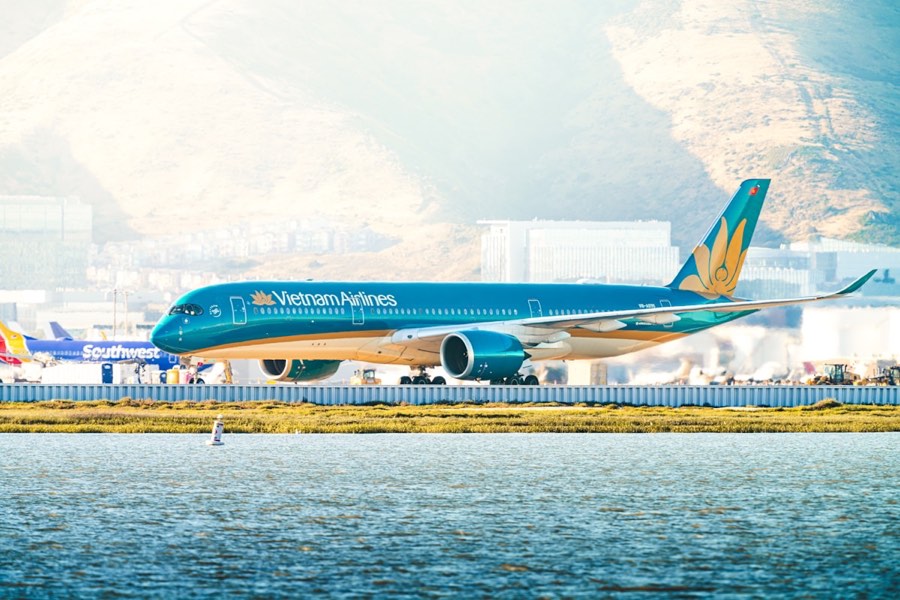
Vietnam’s National Authority of Tourism (VNAT) reported 13.9 million international arrivals in the first seven months of 2026, placing the country on track for a full-year record. The figure represents a 17 percent increase over the same period in 2025 and surpasses pre-pandemic benchmarks for the January–July window.
Where Visitors Are Coming From
South Korea remains the top source market, accounting for roughly 3.2 million arrivals — a figure buoyed by the growing number of direct routes between Korean cities and Vietnamese airports. China ranks second, continuing a recovery that began in late 2024. The United States, Australia, and the United Kingdom round out the top five non-Asian markets.
Japan and India have both shown strong year-on-year growth, partly attributed to new charter routes and expanded visa-free access for Indian passport holders introduced in early 2026.
What the Numbers Mean for Travelers
High demand is visible at the most popular destinations. Hoi An and Ha Long Bay are operating at or near accommodation capacity most weekends through August and September. Booking hotels and tour slots well in advance — ideally six to eight weeks ahead — is advisable for these destinations during peak season.
Hanoi and Ho Chi Minh City absorb visitor volume more comfortably given their size, though Old Quarter guesthouses in Hanoi fill quickly. Phu Quoc, which now receives direct long-haul flights from several European airports, is seeing the sharpest hotel price increases compared to last year.
Practical Implications
Vietnam’s e-visa system allows stays of up to 90 days and covers nationals of most countries. Processing is generally completed within three business days, but applying at least a week before travel is recommended during peak months to avoid any administrative delays.
Immigration queues at Noi Bai (Hanoi) and Tan Son Nhat (Ho Chi Minh City) run longer than usual in August. Flights arriving before 8:00 a.m. or after 10:00 p.m. typically move faster through the arrivals hall. Full practical details for arriving in Vietnam — including SIM cards, transport from airports, and currency — are covered in our practical guide.