Vietnamese health authorities are tracking a significant dengue fever surge across the country in 2026, with case counts rising sharply in major tourist destinations. The outbreak has shifted dengue from a seasonal wet-season concern into a year-round risk, driven by changing rainfall patterns and expanded mosquito breeding conditions. International travellers have been confirmed in case counts at multiple locations.
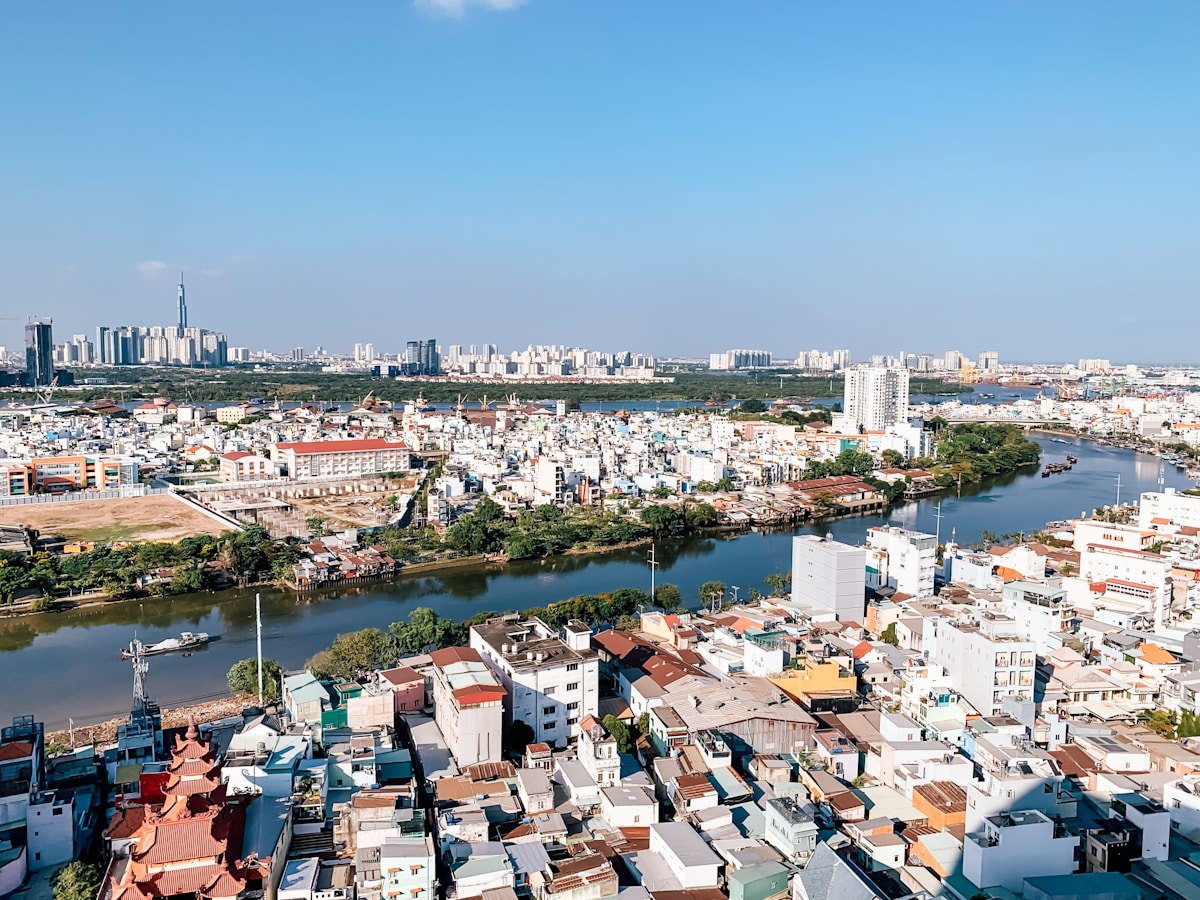
Ho Chi Minh City and the surrounding south are recording the highest city-level case numbers, consistent with previous outbreaks given the urban density and year-round warm temperatures. The southern provinces of Binh Duong, Dong Nai, and Long An - all popular with day-trippers from the city - have also reported above-average transmission. Hanoi and the northern provinces are affected, with hospitalisation rates tracking above the equivalent period in 2025. Coastal destinations including Da Nang and Nha Trang - both heavily visited in June - have active transmission at lower but notable levels.
Vaccination and prevention
There is no dengue vaccine routinely available to all international travellers, though Qdenga (dengue tetravalent vaccine) is now licensed in the EU, UK, and some other markets for individuals with prior dengue exposure. It is worth discussing with a travel health clinic at least six to eight weeks before departure, as the two-dose schedule requires lead time.
The primary defence remains mosquito bite prevention: wearing light long sleeves particularly in the morning and evening, applying DEET-based repellent throughout the day (not just after dark), and choosing air-conditioned accommodation where mosquito activity is reduced.
A critical practical point: Aedes aegypti - the principal dengue vector in Vietnam - bites during daylight hours, with peak activity at dawn and dusk. Standard evening-only precautions are therefore insufficient. DEET repellent should be reapplied during the day, especially at outdoor restaurants and markets. Repellents with at least 20–30% DEET are the most effective for extended outdoor exposure; picaridin is a suitable alternative for those who prefer DEET-free formulations.
Recognising and treating dengue
Dengue symptoms typically develop three to fourteen days after a bite and include high fever (often 39–40°C), severe joint and muscle pain - sometimes called “breakbone fever” - persistent headache behind the eyes, and a rash that typically appears three to four days after fever onset. A sudden drop in temperature after two to three days of high fever can indicate the transition to the more serious “critical phase” and warrants immediate medical attention.
Anyone experiencing symptoms should seek medical care promptly. Major hospitals in Ho Chi Minh City with international-standard treatment include Vinmec International Hospital and FV Hospital. In Hanoi, Vinmec Times City and Hanoi French Hospital are well equipped for dengue management. Crucially, ibuprofen and aspirin are contraindicated with dengue due to bleeding risk - paracetamol (acetaminophen) is the appropriate pain management option until a diagnosis is confirmed. Do not self-treat with NSAIDs.
Planning around the risk
Dengue risk is not a reason to avoid Vietnam - it has been present at varying levels throughout the country for decades, and millions of visitors travel without incident each year. The key is taking precautions seriously from day one of your trip rather than assuming the risk is low because it is not mentioned in your resort’s welcome pack.
Our health and vaccinations guide for Vietnam covers this and other health precautions in detail, including malaria zones and food safety. For current travel conditions and what to pack for the season, the Vietnam in June page gives practical month-specific guidance. Visitors who haven’t yet arranged cover should consider Vietnam travel insurance, which can cover medical treatment, hospitalisation, and emergency repatriation if dengue or another illness requires it.