July is the heart of Vietnamese summer. School holidays drive domestic tourist numbers to their annual peak, particularly on the central coast. International visitors also arrive in high numbers. The three climate zones behave very differently this month, and choosing the right region makes a significant difference.
Weather by Region
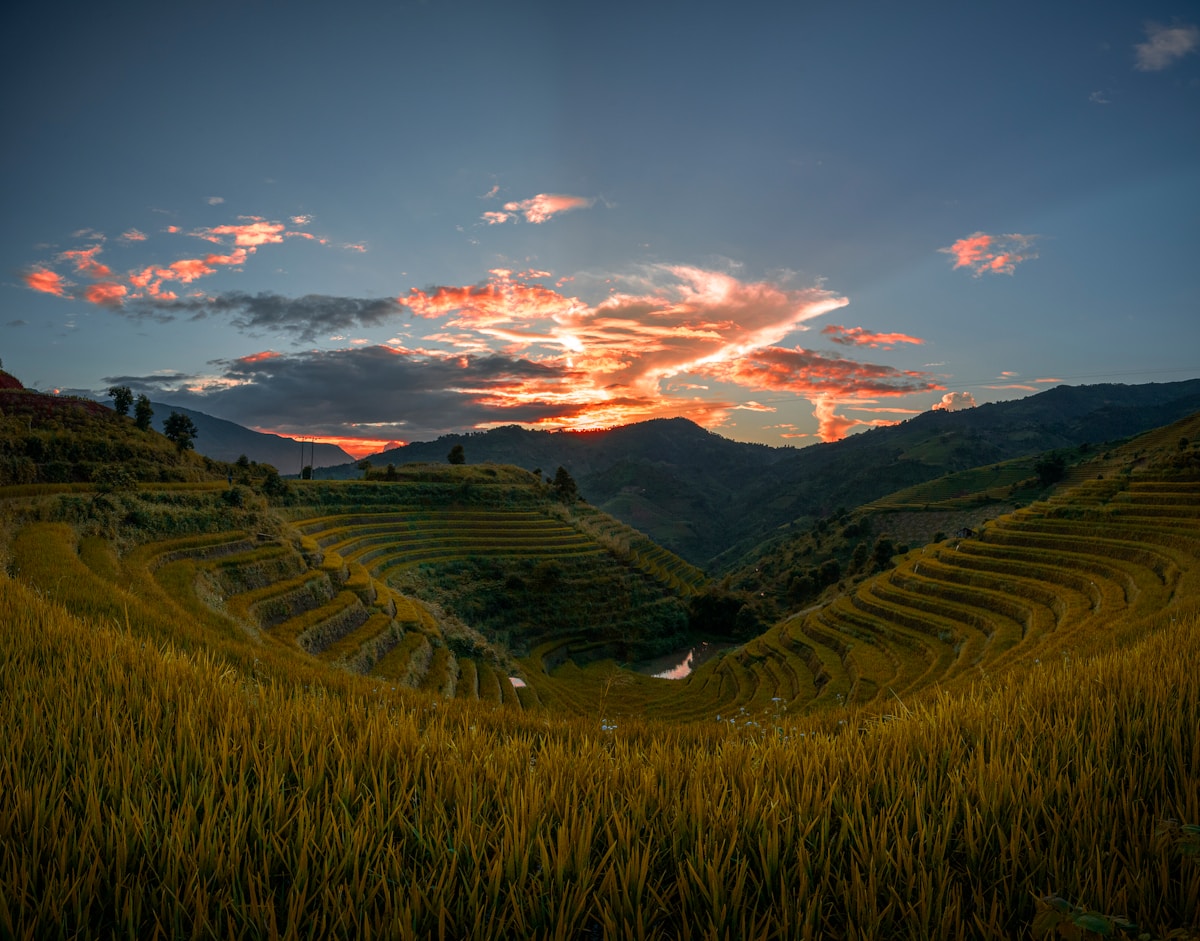
North (Hanoi, Ha Long Bay, Sapa): Hot and humid, with Hanoi regularly hitting 35-38°C. Afternoon thunderstorms are frequent and sometimes heavy - flash flooding in Hanoi streets is not unusual after a downpour, though water typically drains within hours. Ha Long Bay is warm (30-33°C) with hazy skies and occasional storms that can delay or reroute cruises. Sapa sits at 25-28°C during the day, cooler than the lowlands but receiving heavy monsoon rainfall. The rice terraces around Sapa and Mu Cang Chai are a deep, saturated green - this is the growing season before the September-October harvest.
Central (Hue, Da Nang, Hoi An): The driest and hottest region in July. Da Nang and Hoi An see 34-36°C with strong sunshine and very little rain. This is the central coast’s peak beach season. Hue is similarly hot. The sea is calm, warm (28-29°C), and suitable for swimming, though rip currents at My Khe and An Bang beaches require attention - swim near lifeguard stations.
South (Ho Chi Minh City, Mekong Delta, Phu Quoc): Mid-monsoon. HCMC averages 30-32°C with daily afternoon downpours lasting 1-2 hours. Mornings are often clear and functional for sightseeing. Phu Quoc receives heavy rain and the western coast has rough seas - this is not the month for Phu Quoc beaches. The Mekong Delta is wet and water levels are rising, but not yet at the September-November flood peak.
What to Do in July
Central coast beaches: Da Nang, An Bang (near Hoi An), and Lang Co are all at their best. Domestic tourists pack Da Nang’s My Khe Beach, so expect crowded sand on weekends. Hoi An’s An Bang Beach is marginally quieter. Accommodation in Da Nang needs booking 3-4 weeks ahead for July weekends.
Ha Long Bay: Cruises operate, but visibility is reduced by haze and storms can disrupt itineraries. Two-day cruises give better odds of catching clear conditions. Lan Ha Bay (Cat Ba Island) offers a less crowded alternative with the same karst landscape. Browse Ha Long Bay and Lan Ha Bay cruises for July.
Highland retreats: Dalat (22-25°C) provides relief from the heat and sees less rain than the far north. Sapa trekking is possible but muddy - trails between villages are slippery and leeches are common. The green rice terraces are photogenic even in overcast conditions.
Diving: Nha Trang diving is operational in July with visibility around 10-15 metres, though this is not peak season (March-September is broadly acceptable). Con Dao has rough seas and poor visibility in July - the island’s dive season runs March to June on the western side and July to September on the eastern side, but July conditions are unpredictable.
Festivals and Events
July falls within the school summer holiday period (June-August), which is the main driver of domestic tourism prices. There are no major national holidays this month, which means weekday travel offers a slight pricing advantage over weekends.
The seventh lunar month (typically August in the Gregorian calendar, but occasionally overlapping with late July) marks the Hungry Ghost Festival, when Vietnamese families burn offerings and prepare food for spirits. If you see fires on pavements and paper offerings on street corners, this is the reason.
Practical Tips
- Pricing: Summer school holidays (June-August) push domestic hotel rates up 30-50% in Da Nang, Nha Trang, and Ha Long Bay. International-facing hotels are less affected but still see higher occupancy. Book well ahead for the central coast.
- Packing: Light, breathable clothing for the heat. A compact rain jacket or umbrella is essential in the north and south. Sun protection is critical on the central coast - UV index regularly exceeds 10.
- Getting around: Domestic flights (Vietnam Airlines, VietJet, Bamboo Airways) connect cities cheaply but book out on popular routes (HCMC-Da Nang, Hanoi-Da Nang) during school holidays. The Reunification Express train is a good alternative for the Hue-Da Nang-Hoi An stretch. Overnight buses cover most routes.
- Visa: Most Western passport holders need an e-visa (apply at xuatnhapcanh.gov.vn). Check current requirements before travel.
See Also
- Best time to visit Vietnam - full seasonal overview for every region
- Da Nang travel guide - July is the central coast’s peak beach month
- Hoi An travel guide - hot and busy in July but the beaches are excellent
- Phong Nha cave tours guide - July is within the cave access season
- Vietnam budget and costs - summer pricing expectations
- Da Nang beaches guide - My Khe Beach in full summer peak
- Nha Trang travel guide - July is peak domestic tourist season; island hopping is busy
Plan Your Trip
✈️ Book your flights to Vietnam 🛡️ Get travel insurance 📱 Stay connected with an eSIM 🚗 Rent a car