January is one of the strongest months to visit Vietnam. The south is in full dry season, the north is cool and manageable, and the pre-Tet atmosphere adds a cultural dimension that few other months can match.
Weather by Region
North (Hanoi, Ha Long Bay, Sapa): Cool and dry, with Hanoi averaging 17-20°C. Expect overcast skies and occasional drizzle but little sustained rain. Ha Long Bay can be foggy, reducing visibility for cruises - we recommend checking forecasts and choosing a two-day cruise so you have a better chance of clear conditions on at least one morning. Sapa is cold (5-12°C), with fog and frost common at higher elevations. Trekking is possible but layers and waterproofs are essential.
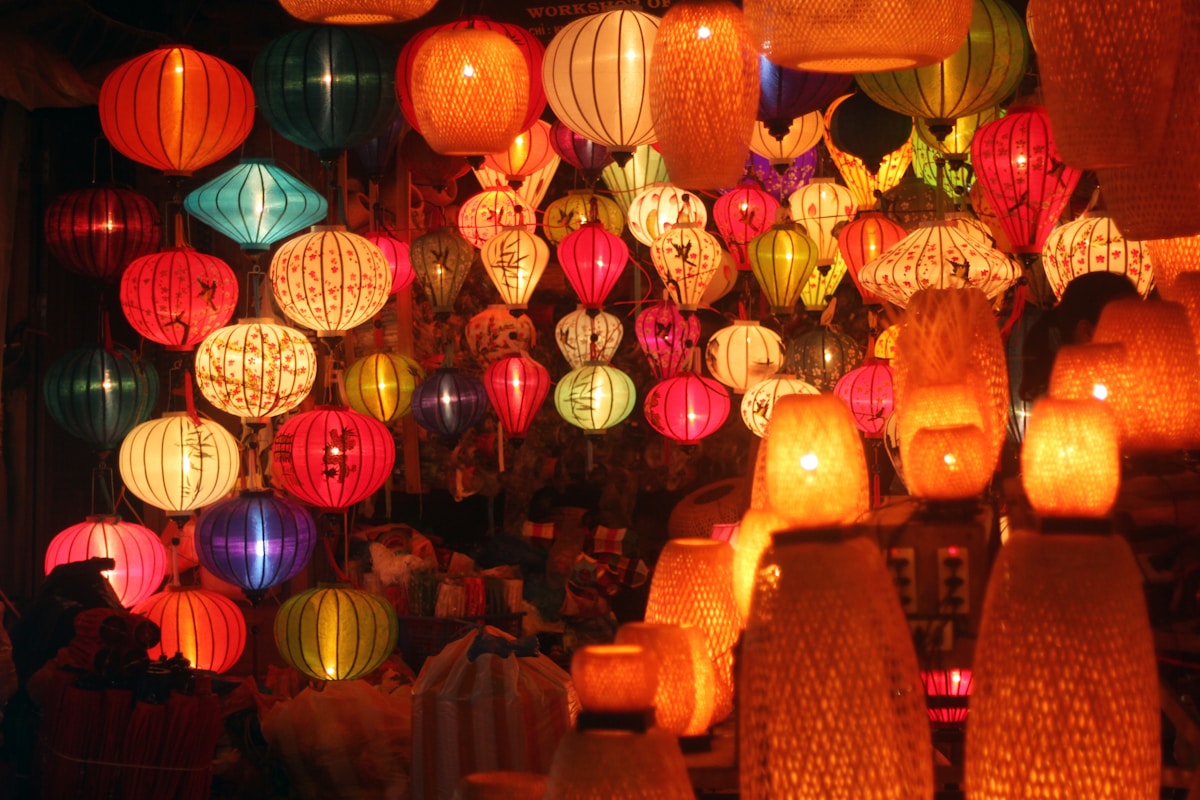
Central (Hue, Da Nang, Hoi An): The tail end of the wet season. Early January can still bring rain to Hue and Hoi An, but conditions improve through the month. Da Nang sees 20-25°C and decreasing rainfall. Hoi An’s full-moon Lantern Festival takes place on the 14th of the lunar month - check the exact date for your travel year, as it shifts annually.
South (Ho Chi Minh City, Mekong Delta, Phu Quoc): Peak dry season. HCMC is 28-32°C with almost no rain. Phu Quoc offers flat seas, excellent snorkelling visibility, and warm water temperatures around 28°C. The Mekong Delta’s floating markets at Cai Rang and Cai Be are at their most accessible, with water levels receding from the September-November flood peak.
What to Do in January
Beaches: Southern beaches are at their best. Phu Quoc, Mui Ne, and Nha Trang all have reliable sunshine. Phu Quoc is visa-free for stays up to 30 days for most nationalities, making it a straightforward option for beach-focused trips.
Ha Long Bay: Cruises run year-round, but January fog can obscure the limestone karsts. When the fog lifts, the winter light is atmospheric. Expect fewer boats than in peak summer months. Browse Ha Long Bay cruises and compare budget, mid-range, and luxury options.
Phong Nha Caves: January is within the accessible season (February-August offers the best conditions), but water levels in some caves may still be elevated from late-season rain. Paradise Cave and Phong Nha Cave are reliably open. Son Doong and Tu Lan expeditions typically begin their season in February.
Pre-Tet atmosphere: In the weeks before Tet (Vietnamese Lunar New Year, which falls in late January or early February depending on the lunar calendar), flower markets spring up across Hanoi and HCMC. Nguyen Hue flower street in HCMC is a major display. The energy is festive without the closures and transport chaos of the Tet holiday itself.
Festivals and Events
Tet preparations: If Tet falls in late January (check the lunar calendar for your travel year), expect the holiday week to bring widespread business closures, fully booked transport, and hotel rates 2-3x normal in popular areas. The experience of Tet itself is culturally rich - fireworks, family gatherings, temple visits - but requires advance planning. If Tet falls in February, January is an ideal window: festive markets are open, but transport and accommodation operate normally.
Hoi An Lantern Festival: Held on the 14th of each lunar month. The Ancient Town switches off electric lights and floats paper lanterns on the Thu Bon River. January’s edition is typically less crowded than spring and autumn equivalents.
Practical Tips
- Pricing: January is high season for southern Vietnam. Phu Quoc and Nha Trang accommodation books out quickly - reserve 6-8 weeks ahead. If Tet falls in January, expect surge pricing across the country during the holiday week.
- Packing: Light layers for the north (it can feel colder than the numbers suggest due to humidity). Summer clothes for the south. A light rain jacket for Hue and Hoi An.
- Visa: Most Western passport holders need an e-visa (apply at xuatnhapcanh.gov.vn). Phu Quoc has a separate visa-free arrangement for stays up to 30 days.
- Getting around: Domestic flights connect cities cheaply (Vietnam Airlines, VietJet, Bamboo Airways). The Reunification Express train runs the full length of the country. Overnight buses cover most routes.
See Also
- Best time to visit Vietnam - full seasonal overview for every region
- Ha Long Bay cruises guide - what winter cruises are like in January
- Phu Quoc travel guide - the peak destination for January beach travel
- 2-week Vietnam itinerary - north-to-south route timing for January
- Vietnam visa guide - e-visa requirements before booking
- Nha Trang travel guide - January is prime beach season on the south-central coast
- Hanoi travel guide - January is cold and atmospheric; a quieter time to explore the capital
Plan Your Trip
✈️ Book your flights to Vietnam 🛡️ Get travel insurance 📱 Stay connected with an eSIM 🚗 Rent a car