Nha Trang is at the centre of Vietnam’s strongest tourism surge in years, but the growth is creating real challenges for the city and for visitors who arrive unprepared. As of May 2026, Vietnam has welcomed 8.8 million international arrivals in the first four months of the year - up 14.6 percent year-on-year - and Nha Trang’s Khanh Hoa Province is one of the key drivers of that growth, recording tourism revenue of over USD 1 billion in the period.
Road safety and rentals
The flood of visitors is straining infrastructure in ways that directly affect traveller experience. Rental motorbike shops along the beachfront have become a particular concern: many visitors are picking up bikes without a valid licence or any prior experience with Vietnam’s traffic conditions, leading to a rising number of self-crashes and collisions reported to local authorities.
Vietnamese law requires a valid motorcycle licence from your home country (Class A1 or equivalent) for bikes up to 125cc; riding without one can result in fines and will void travel insurance in the event of an accident. For comprehensive cover that handles motorbike incidents, medical emergencies, and trip disruption, see Vietnam travel insurance. If you want to explore independently, ride-hailing apps such as Grab are significantly safer in a city where traffic is fast and road markings are treated as suggestions. Grab car rides between the city centre and Cam Ranh Airport typically cost VND 150,000–250,000 depending on traffic.
Accommodation and booking timing
Accommodation in central Nha Trang is filling up fast for June and July. The VietJet Air route connecting Nha Trang’s Cam Ranh Airport (CXR) directly with Singapore Changi Airport launched on 1 June 2026, operating four times weekly, and demand from Singapore-based travellers is expected to add to peak-season pressure on the city’s accommodation supply. Tran Phu Street hotels and beachfront properties are booking out first - if you have not yet secured a room for travel between June and August, expect limited availability and higher prices than the standard rates listed on booking platforms. The shoulder months of March–May and September–October offer better value and shorter queues at popular sites.
What the beach actually delivers
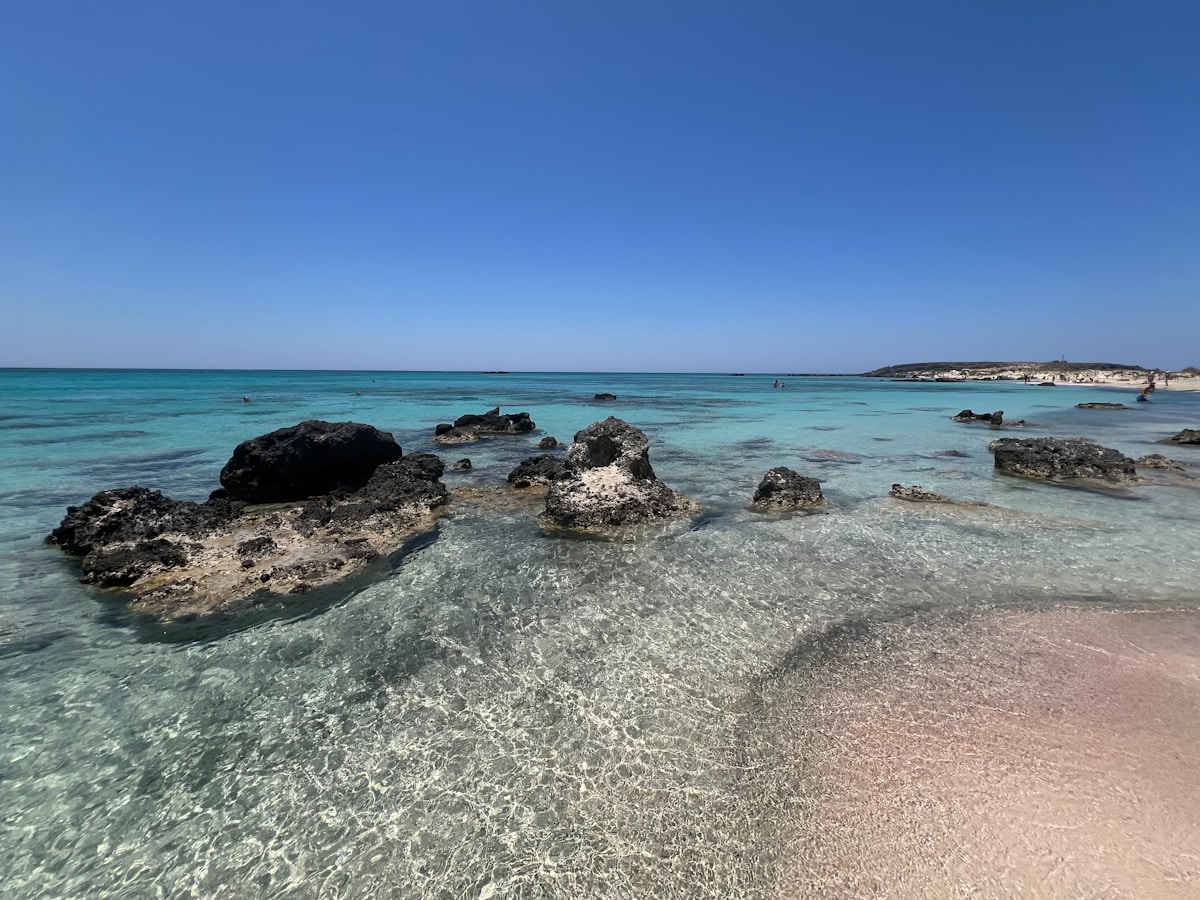
The beach itself - a four-kilometre stretch fronting the city - remains one of the best on the mainland Vietnamese coast. Water visibility is clearest from January through August before the rainy season arrives in September. The islands accessible by day boat from Nha Trang’s central ferry pier - particularly Hon Mun, which sits within a marine protected area - are among the best snorkelling sites in southern Vietnam. Dive operators including Rainbow Divers and Sailing Club Divers offer PADI courses and fun dives from approximately USD 35–55 per dive, with better rates for multi-dive packages.
Our Nha Trang beaches guide covers the best spots for swimming and sunbathing, and we have a dedicated diving and snorkelling page covering the Hon Mun Marine Protected Area and the top operators for day trips. To book Nha Trang tours and island trips in advance, browse the full selection.
Getting to and from Nha Trang
For getting between Nha Trang and other Vietnamese cities, the overnight train from Hanoi takes approximately 10–12 hours to Nha Trang station near the city centre and runs nightly - book in advance on the Vietnam Railways website for soft-sleeper berths in peak season. Frequent bus services to Ho Chi Minh City take around 9 hours. Our getting around Vietnam guide covers all of these options.
Full details on things to do in Nha Trang - including the Po Nagar Towers, Vinpearl Land, and the island-hopping circuits - are in our city guide.