Pu Luong Nature Reserve: Vietnam's Quiet Alternative to Sapa
Pu Luong Nature Reserve travel guide - karst rice terraces, Muong minority villages, homestays, trekking routes and how to get there from Hanoi.
Guides for Pu Luong
Pu Luong Nature Reserve sits in Thanh Hoa province, roughly 130km southwest of Hanoi - close enough for a weekend but far enough that tour buses haven’t taken over. The reserve covers approximately 17,000 hectares of karst limestone, broadleaf forest, and terraced rice paddies that stretch across hillsides above the Muong and Thai ethnic minority villages below.
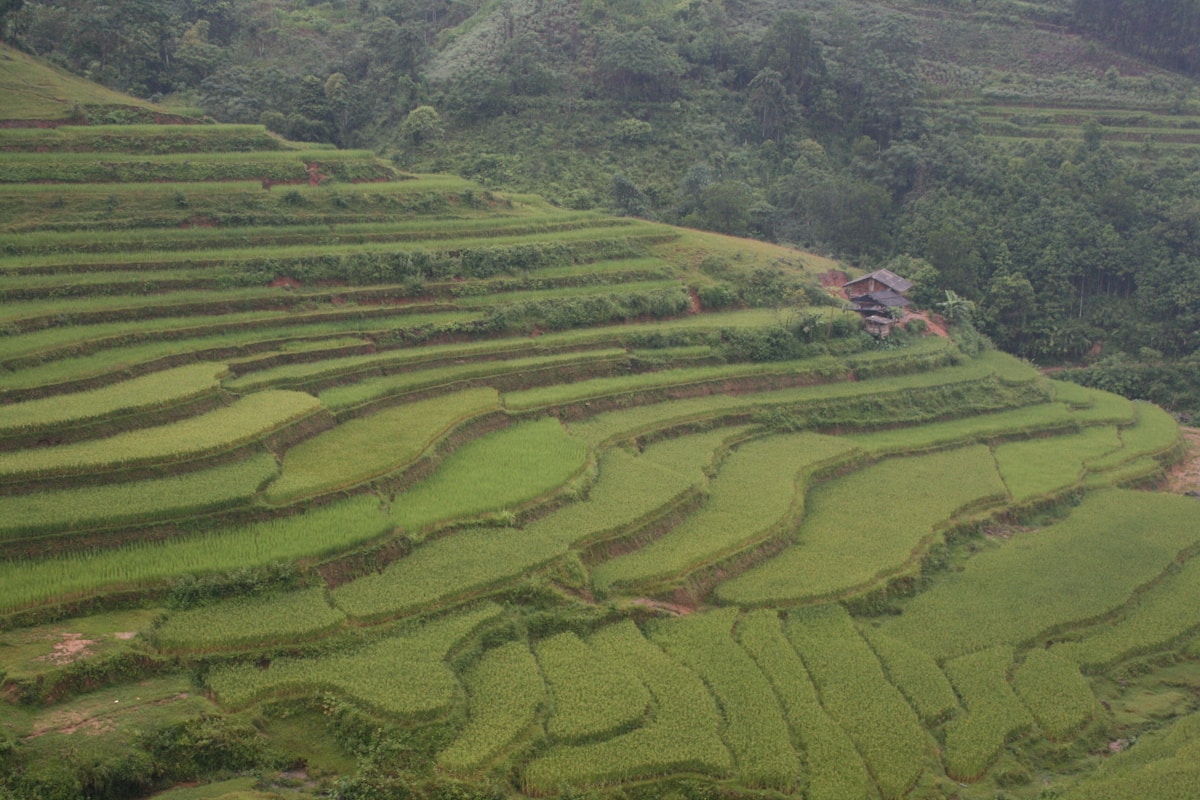
The landscape here isn’t as steep as Mu Cang Chai, and it doesn’t have Sapa’s dramatic altitude. What it does have is space. The rice paddies spread wide across valley floors and gentle slopes, framed by forested limestone ridges. The main villages - Pu Luong, Ban Hieu, Don - are small enough that you can walk between them without sharing the path with other tourists.
What Makes Pu Luong Different
The reserve earned its protected status in 1999, which partly explains why development has stayed modest. There’s no chairlift, no luxury resort strip, and only limited mobile signal in the deeper valleys. The accommodation is almost entirely local homestays, with a handful of eco-lodges built on hillsides above the paddies.
The local population is predominantly Muong and White Thai - two of Vietnam’s largest ethnic minority groups. Their traditional stilt houses, raised on wooden poles above the valley floor, are still the main building type in the villages. The rice they grow is primarily sticky rice, harvested by hand in October and stored in the stilt house lofts you’ll see if you stay overnight.
The landscape changes season to season. May and June bring the young green rice, when the paddies are filled with shallow water that reflects the sky. September and October turn the terraces golden. Outside harvest season, you’ll have the trails largely to yourself.
The Villages
Pu Luong village is the most accessible entry point - a small cluster of stilt houses above the valley with several homestays and a track leading to the ridge. The walk up to the ridge above the village takes about one hour and gives views across the full valley to the west.
Ban Hieu is 8km southeast and is where most people go to swim. The Ban Hieu waterfall cascades into a clear natural pool and is walkable from the road. Ban Hieu also has a cluster of homestays at lower prices than those nearer the main park entrance - expect to pay 180,000–250,000 VND ($7–10) per person.
Don village and the surrounding hamlets in the lower valley are less visited. The path between Don and Pu Luong takes about 2–3 hours on foot and passes through working rice fields, bamboo groves, and several smaller settlements that see very few overnight tourists.
Hieu village (near the watermill area) is worth a walk for the traditional water-powered rice mills - stone wheels turned by a diverted stream, still used for grinding rice. Half a dozen of these mills cluster along the stream channel just below the village.
Trekking
The most popular walking route connects Pu Luong village to Ban Hieu via the ridge - approximately 12km total, 4–5 hours at a comfortable pace. The first hour climbs through forest to a ridge with open views, then drops through terraced fields toward Ban Hieu. It’s not technical but the terrain is uneven after rain.
A longer route extends south through Ban Son and on toward the Don village area - a full day’s walk (18–22km) best done with a local guide. Guides charge approximately 300,000–500,000 VND ($12–20) for a full day and can be arranged through any homestay in Pu Luong village.
For those with limited time, the walk from the main car park area up to the ridge and back takes 2–3 hours and gives enough elevation to see the full valley layout without committing to a full day.
Homestays and Where to Stay
The homestay scene in Pu Luong has matured considerably over the past decade. The majority of homes in Pu Luong village, Ban Hieu, and the surrounding hamlets now offer simple rooms - usually a mattress on the floor or a raised wooden bed - with dinner and breakfast included.
Budget homestays (200,000–350,000 VND / $8–14 per person): Guesthouses in Pu Luong village and Ban Hieu offer the most affordable options. Meals are communal - sticky rice, river fish, mountain vegetables, and occasionally wild pork. Some homestay owners speak basic English; others communicate with gestures and translation apps. Booking ahead via phone is advisable in September–October when the reserve fills quickly.
Mid-range eco-lodges (800,000–1,500,000 VND / $32–60 per room): Several purpose-built eco-lodges now occupy ridgeline positions above the paddies. These offer private rooms, hot showers, and terraces with views. Pu Luong Retreat and Pu Luong Eco Garden (both accessible from the main Thanh Hoa road) are the best-known options in this category. Rates as of 2026 start at approximately 1,100,000 VND ($44) per room including breakfast. The ridgeline location means sunrise views are a reliable draw.
Camping: Wild camping is technically possible in the park but not formally organised. Some tour operators offer camping-style trek packages with hammocks or light tents. These tend to cost 1,200,000–1,800,000 VND ($48–72) per person all-in for a two-day package.
How to Get to Pu Luong from Hanoi
The reserve is approximately 130–145km from Hanoi, depending on the entry point.
Private transfer (recommended): Most tour operators and guesthouses in Hanoi’s Old Quarter can arrange a door-to-door vehicle. A minivan typically costs 1,800,000–2,500,000 VND ($72–100) total, split across the group. Journey time is approximately 3.5 hours on a clear road, longer on holidays. This is the default for most visitors.
Bus + local transport: From Hanoi’s My Dinh bus station, buses to Thanh Hoa city run regularly and cost approximately 120,000–160,000 VND ($5–6.50), taking 2.5–3 hours. From Thanh Hoa city, a local bus toward Quan Hoa (the district town) passes through the reserve area - journey time approximately 2–3 more hours. Motorbike taxis from the bus stop into the villages add a further 15–30 minutes. Total journey is 5–6 hours. Feasible but slower than a direct transfer.
Organised tour: The most straightforward option for first-time visitors. Two-day packages from Hanoi typically include transport, accommodation, meals, and a guided walk for approximately 1,500,000–2,200,000 VND ($60–88) per person. Check what’s actually included - cheaper packages sometimes use the bus route rather than a private vehicle. Browse Pu Luong tours from Hanoi on GetYourGuide to compare itineraries and current availability.
From Mai Chau: Pu Luong is approximately 40km east of Mai Chau, accessible by motorbike in 1.5 hours. Visitors doing the northwest loop often combine both destinations, sleeping in Mai Chau one night and Pu Luong the next.
Best Time to Visit
May–June: Rice planting season. Paddies are filled with water and planted with young green shoots. The landscape is vivid but less dramatic than harvest time.
September–October: Harvest season. The paddies turn gold and the cutting begins - October is the sweet spot. This is also the busiest period; book homestays at least a week in advance.
November–February: Cool, often misty. The paddies are bare after harvest but the forests are still green and the villages uncrowded. Temperatures drop to 10–12°C at night in the valleys. Bring layers.
March–April: Second growing season begins. A quieter version of the May–June experience, with the added benefit of warmer weather.
July–August: Rainy season. Trails can become slippery. Flash flooding is possible in lower valley paths. The landscape is intensely green but some homestays close temporarily. Check conditions before travelling.
What to Pack
The trails at Pu Luong are mostly unpaved. Waterproof footwear is recommended from May through October. A light rain jacket is useful year-round. Cash is essential - there are no ATMs in the reserve villages; the nearest is in Quan Hoa town. Bring enough VND for accommodation, meals, and a guide if you plan to trek.
Mobile signal is limited in the deeper valleys. Download offline maps before arriving. Google Maps covers the main road through the reserve but not the village footpaths.
Internal Links
Planning to visit? Browse hotels in Pu Luong — free cancellation on most bookings.
Book an experience
Top experiences in Pu Luong
Explore the best tours and activities in Pu Luong , with instant confirmation and free cancellation on most bookings.
Frequently Asked Questions
- How do I get to Pu Luong from Hanoi?
- The fastest route is a private transfer (approximately 3.5 hours, from 1,800,000 VND/$70 per vehicle). Alternatively, take a bus from Hanoi's My Dinh station to Thanh Hoa city, then arrange a local bus or motorbike taxi the final stretch. Most visitors book a 2-day tour that handles transport both ways.
- What is the best time to visit Pu Luong?
- May–June (young green rice) and September–October (harvest, golden paddies) are the two peak seasons for scenery. The weather is dry and warm. December–February is cold and misty - still beautiful but bring warm layers. July–August is rainy but dramatically green.
- How much does a Pu Luong homestay cost?
- Expect to pay approximately 200,000–350,000 VND ($8–14) per person per night including dinner and breakfast. Premium eco-lodges run 800,000–1,500,000 VND ($32–60) per room. Everything is negotiable if you arrive without a booking in low season.
- Can I visit Pu Luong without a tour?
- Yes, though it requires more effort. You'll need to arrange your own transport, book a homestay in advance (ask guesthouses in Hanoi to call ahead), and be comfortable navigating unpaved village paths. Most first-time visitors find a two-day organised tour easier and not significantly more expensive than doing it independently.
- Is Pu Luong better than Sapa?
- They're different experiences. Sapa is more developed, more accessible, and more commercialised. Pu Luong has fewer tourists, wider-spaced rice terraces, a wilder landscape, and a stronger sense of isolation. For travellers who've already done Sapa, Pu Luong is the natural next step. For first-timers with limited time, Sapa has better infrastructure.