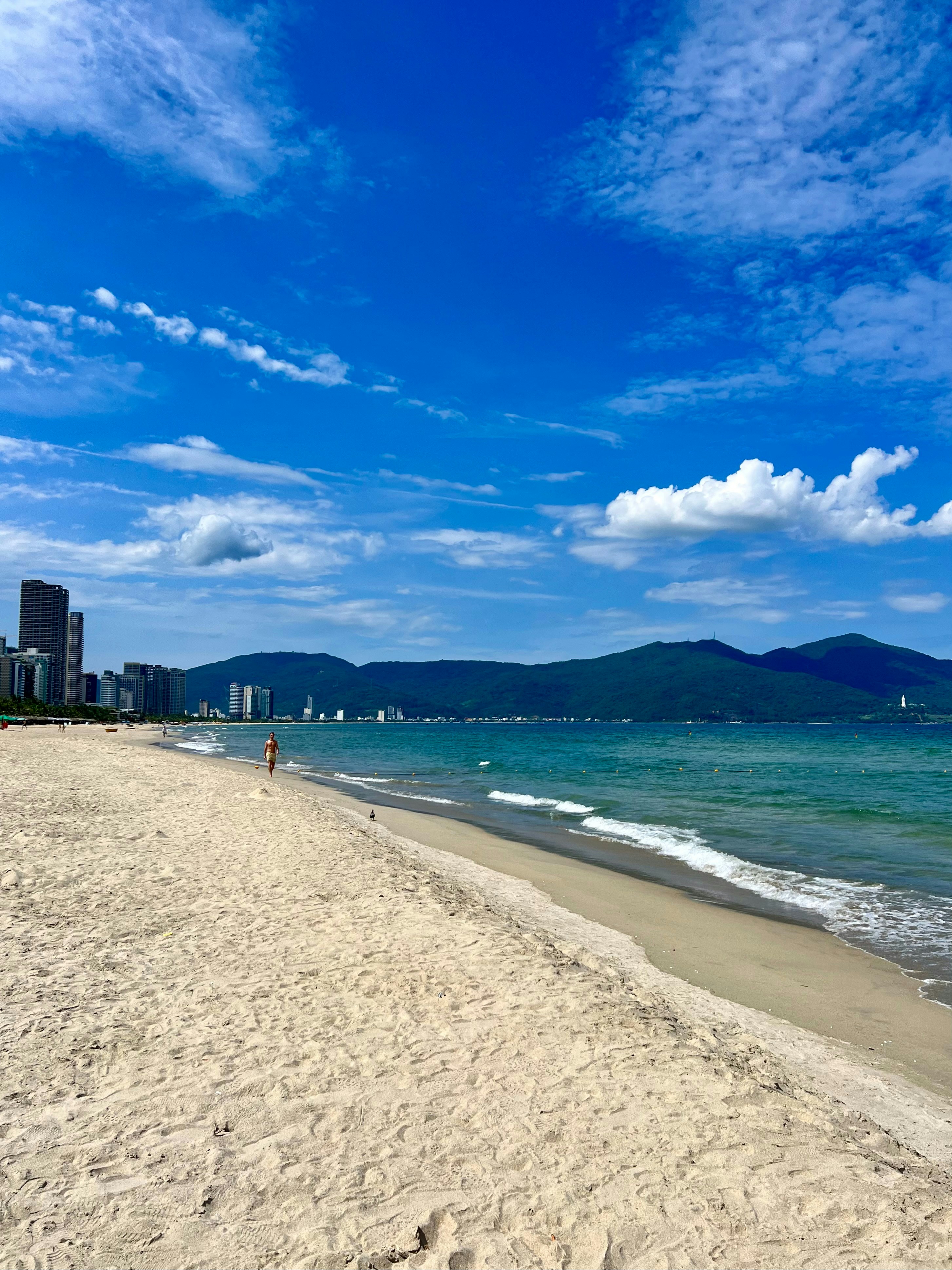
Severe flash floods and landslides swept through central Vietnam on and around 9 October 2026, affecting Da Nang, Hue and neighbouring provinces including Quang Tri and Quang Nam. Emergency responders reported that rainfall totals in Hue exceeded 800 mm over 24 hours, among the highest recorded in the region at this time of year.
What happened
Tropical moisture associated with a low-pressure system in the South China Sea pushed extreme rainfall inland across the central highlands and coastal plains. Rivers burst their banks in multiple districts, inundating streets and ground-floor properties. Landslides on the main mountain passes, including the Hai Van Pass between Da Nang and Hue, disrupted road traffic and delayed long-distance buses for several days.
Local authorities issued evacuation orders in the lowest-lying wards of Hue’s old city and parts of Hoi An’s riverside area. Power outages were reported across multiple districts in both cities.
Impact on travellers
Airlines continued to operate at Da Nang International Airport throughout the event, though some domestic connections experienced short delays. Train services on the north–south line were briefly suspended when tracks near Hue were flooded before resuming with reduced frequency.
The historic sites of Hue’s Imperial Citadel and the Ancient Town of Hoi An remained accessible, though sections of the riverside promenade in Hoi An were closed for safety inspections as floodwaters receded. Hotels and guesthouses in both cities reported cancellations and urged guests to verify conditions before arrival.
What to do now
- Check conditions before you travel. Da Nang and Hue have largely recovered for most visitors, but road access to remote districts may still be limited. Contact your accommodation to confirm current conditions.
- Avoid mountain routes after heavy rain. The Hai Van Pass and the road to Bach Ma National Park reopen quickly after storms, but we recommend checking local reports before attempting these routes.
- Review your travel insurance. Disruption events in October are not unusual in central Vietnam. The best time to visit Vietnam for this region is November to April. If you are travelling between August and November, comprehensive travel insurance is strongly advisable.
- Build in flexibility. Train and long-distance bus connections can resume with delays of 24–48 hours after major flood events. Extra buffer days are worth adding to any central Vietnam itinerary.
Looking ahead
Central Vietnam sits in the path of the South China Sea monsoon and receives the majority of its annual rainfall between September and December. Flood events of this severity are serious but not unprecedented. The region typically recovers quickly, and tourist infrastructure in Da Nang and Hue is well established.
We will update this article if further disruptions are confirmed.