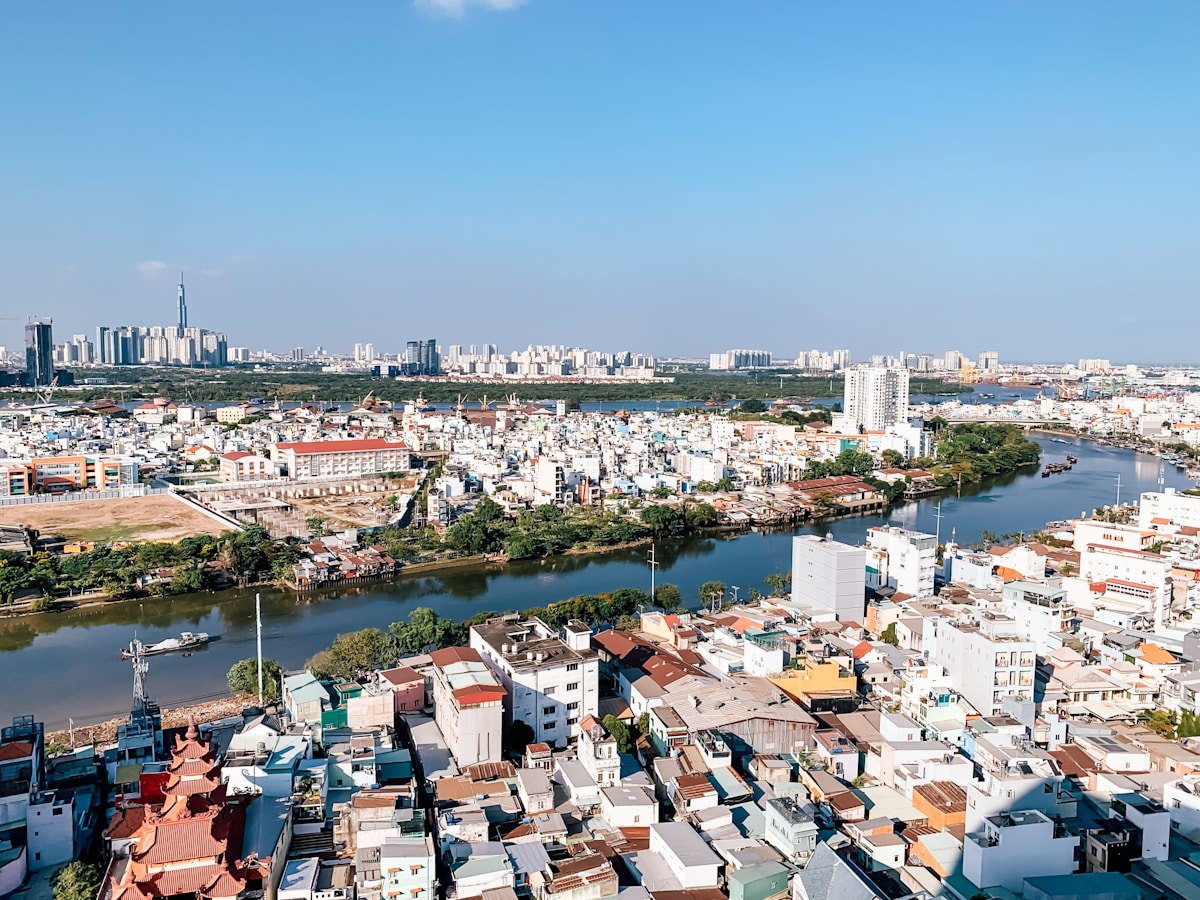
Vietnam introduced a mandatory digital arrival card for all foreign nationals landing at Tan Son Nhat International Airport (SGN) in Ho Chi Minh City on April 15, 2026. The form replaces the paper arrival card previously handed out on the aircraft and must be completed before reaching the immigration desk. Skipping it can mean longer queues and potential delays at the border.
How to complete it
Visit prearrival.immigration.gov.vn within 72 hours of your scheduled arrival. You will need:
- Your passport details
- Your flight number
- The address of your first night’s accommodation in Vietnam
- Your purpose of visit
The form generates a QR code that you show to immigration officers on arrival. The process takes around five minutes. There is no fee. Within the first two weeks of the pilot, the system processed more than 161,000 submissions - a strong proof of concept for a national rollout.
The digital arrival card is a registration step only. It does not replace your visa or visa-free exemption. Vietnamese citizens travelling on Vietnamese passports and transit passengers who do not clear immigration are exempt.
Currently the digital card is a pilot programme enforced at Tan Son Nhat (Ho Chi Minh City), but the system is designed to cover land, sea, and air entry points. Travellers arriving at Hanoi’s Noi Bai Airport or Da Nang International should expect an equivalent requirement to follow within 2026. Note that from July 1, 2026, a separate mandatory health declaration form also applies - travellers must complete both the arrival card and the health declaration; they are distinct documents.
Visa situation as of May 2026
Vietnam’s e-visa is available to nationals of every country, with stays of up to 90 days. Citizens of Germany, France, Italy, Spain, the UK, Russia, Japan, South Korea, Denmark, Sweden, Norway, Finland, and several other European countries remain exempt from needing a visa at all for stays up to 45 days. Our Vietnam visa guide lists exemptions by nationality and explains the e-visa application process for those who need one.
The e-visa costs approximately USD 25 and is processed online through the Vietnam Ministry of Public Security’s portal. Processing typically takes three business days, though rush processing is available. 41 new border crossing points now accept e-visa holders, including recently designated airports and overland crossings, reflecting ongoing expansion of Vietnam’s entry infrastructure.
Common mistakes to avoid
Arriving without the digital card does not mean you will be turned away, but it does mean completing paperwork at the airport using kiosks that are frequently congested, adding 20–40 minutes to your immigration wait. Some airlines are beginning to check for the QR code at boarding, so completing it at home before you leave is the simpler approach.
Ensure the address you provide matches your actual first night’s accommodation - hotel booking confirmations typically show the address in English. If you are staying in a homestay or private rental, use the address shown on your booking platform confirmation.
Getting around once you arrive
Vietnam’s domestic transport network is well developed. Trains, buses, and internal flights connect the main cities. Our getting around Vietnam guide covers trains, sleeper buses, ride-hailing apps, and local transport options. Vietnam welcomed 8.8 million international visitors in the first four months of 2026, up 14.6% year-on-year - May onward is peak season in the south, and airports and transport links are at full capacity. Before you travel, ensure you have adequate travel insurance for Vietnam covering health and any border or transit disruptions.