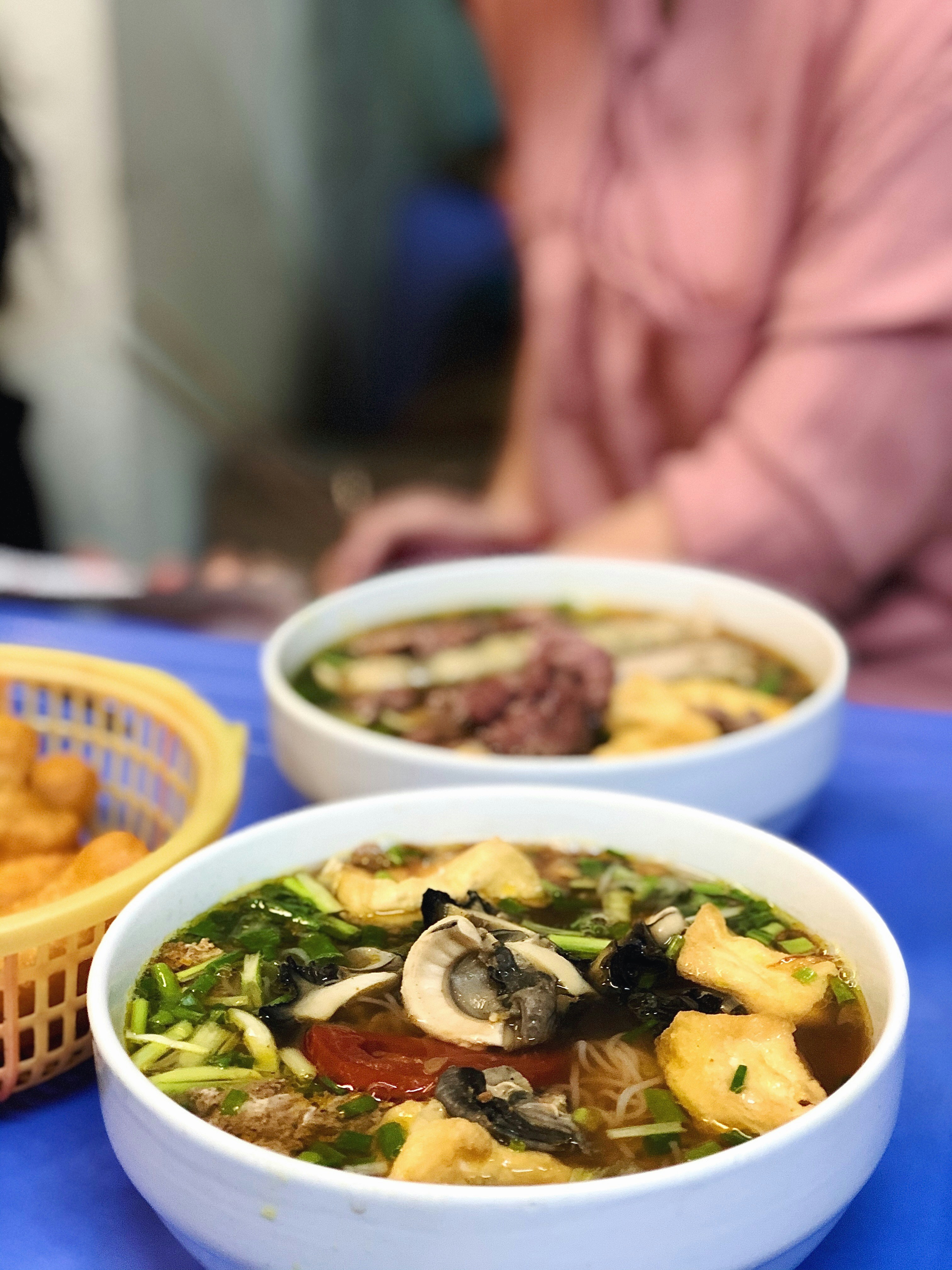
Hue food is unlike anything else in Vietnam. Where Hanoi leans clean and subtle, and Saigon plates up rich and abundant, Hue cooking is intricate, intensely flavoured, and — more than anywhere else in the country — shaped by history. The city was Vietnam’s imperial capital for 143 years, and the cooking tradition that developed inside the royal court produced dishes of extraordinary refinement. Out on the streets, the flavours are bolder and the prices far friendlier. This guide covers both worlds: the iconic dishes you must try, and the best restaurants in Hue to try them at.
Why Hue Cuisine Is Different
The short answer is the Nguyen dynasty. When the Nguyen lords established Hue as the imperial capital in 1802, they brought the finest cooks in Vietnam inside the citadel walls. Imperial cuisine — served to the emperor in 50-course banquets — demanded beauty as much as flavour: dishes were sculpted, coloured with natural dyes, arranged like artworks on lacquer plates.
The common people ate a plainer version of the same tradition, but the emphasis on complexity, balance and chilli never left. Hue cooking uses more chilli than anywhere in Vietnam. Fermented shrimp paste (mam ruoc) is in almost everything. The flavours are savoury, funky and deep in a way that takes a little getting used to — and then becomes impossible to forget.
Essential Hue Dishes
Bun Bo Hue
Vietnam’s greatest noodle soup, and the dish Hue is most proud of. Where pho is pale and clear, bun bo Hue is rust-red with lemongrass, fermented shrimp paste and pork bone broth that has simmered for hours. The noodles are thicker and rounder than pho noodles, the toppings include sliced beef shank, pork knuckle, cubed congealed pig’s blood (optional), and a squeeze of lime. A bowl at a street stall costs approximately 35,000–50,000 VND (as of 2026).
Where to try it: Quan Bun Bo Ba Tuyet on Ly Thuong Kiet Street is open from around 6am and regularly draws queues. Arrive before 8am for the richest broth.
Com Hen
One of the most surprising dishes in Vietnamese cuisine. Com hen is a small bowl of steaming white rice topped with tiny baby clams (hen) stir-fried with peanuts, sesame, shredded banana flower, star fruit, and a drizzle of the intensely savoury clam cooking liquid. You mix it all together yourself. The flavours hit in layers — briny, nutty, tangy, funky. A full serving with accompanying broth costs approximately 25,000–40,000 VND.
Hen Island (Con Hen) in the Perfume River is where the clam tradition lives. The cluster of restaurants on the island’s western bank is the best place to eat this dish, though morning is essential — clam vendors sell out by 10am.
Where to try it: Quan Com Hen on Con Hen Island. Take a short ferry from Bach Dang Street and follow the signs. Expect to pay around 30,000 VND for the crossing plus the meal.
Banh Khoai
Hue’s version of a crispy Vietnamese crepe (sizzling cake). The batter is rice flour and turmeric, the filling is shrimp, pork and bean sprouts, and the whole thing is cooked in a small cast-iron pan until the edges are shatteringly crisp. Unlike the southern banh xeo, banh khoai is smaller, denser and folded before serving. You eat it wrapped in mustard leaf and rice paper, dipped in a thick fermented peanut and sesame sauce.
Where to try it: The strip of banh khoai stalls along Ngo Duc Ke Street near Dong Ba Market is the most atmospheric option. Dinner (from around 4pm) is the best time — the women running these stalls are masters, and prices run approximately 15,000–20,000 VND per piece.
Nem Lui
Lemongrass skewers of minced pork, grilled over charcoal, eaten with the same DIY wrap setup as banh khoai: rice paper, herbs, green banana, star fruit, and peanut dipping sauce. The lemongrass burns as the pork cooks, adding a smoky, citrus perfume to the meat. Nem lui is often listed on tourist restaurant menus but is best at roadside stalls where the coals are hotter and the meat is freshly ground.
Where to try it: Along Le Loi Street near the Truong Tien Bridge, from around 5pm. Approximately 5,000–8,000 VND per skewer; a full portion is usually 5–6 skewers.
Banh Beo
Steamed rice cakes served in tiny ceramic saucers, each topped with dried shrimp, pork crackling and scallion oil. The texture is silky and slightly chewy. You eat them with a small spoon, dipping each disc into the accompanying fish sauce. A single serving of banh beo is usually a plate of eight or ten saucers for approximately 30,000–40,000 VND.
Banh Nam and Banh Ram It
Two more Hue steamed specialities often served together. Banh nam is flat rice cake steamed in banana leaf with shrimp and pork; banh ram it is a sticky glutinous rice dumpling sitting on a crispy fried base. Both rely on delicate seasoning and the mineral scent the banana leaf imparts during steaming.
Che Hue
Dessert in Hue means che — sweet soups and puddings that come in dozens of varieties. Che bap (corn pudding), che dau van (mung bean with coconut cream), and che sen (lotus seed pudding) are the most common. Dong Ba Market has a section devoted to che vendors; a cup costs approximately 10,000–20,000 VND.
Best Restaurants in Hue
Budget Street Food (under 80,000 VND / meal)
Quan Bun Bo Ba Tuyet 17 Ly Thuong Kiet, open 6am–10am daily. The city’s most consistent bun bo Hue destination. The broth has the signature rust-red depth that comes from properly toasted lemongrass and long-cooked pork bones. Arrive early — it sells out. Approximately 45,000 VND per bowl.
Dong Ba Market Food Court Tran Hung Dao Street. The market’s upper floor has a grid of stalls covering every Hue speciality: banh beo, banh nam, banh loc (tapioca dumplings with shrimp and pork), and che. Good for a survey of Hue street food all in one place. Budget approximately 60,000–100,000 VND for a spread of small dishes.
Ngo Duc Ke Banh Khoai Row Ngo Duc Ke Street near Dong Ba. Five or six adjacent stalls competing for the same customers; the competition keeps quality high. Pick the stall with the longest queue. From approximately 4pm daily.
Mid-Range (150,000–350,000 VND / person)
Lac Thien Restaurant 6 Dinh Tien Hoang. A Hue institution run by a deaf-mute family since 1965. The restaurant is small, tightly packed and cheerfully chaotic. The menu covers the full Hue canon: bun bo, banh khoai, nem lui, and a very good vegetarian selection. It’s tourist-friendly but not touristy — locals eat here too. Plan approximately 150,000–200,000 VND per person.
Nina’s Cafe 16/34 Nguyen Tri Phuong. A small family-run restaurant tucked down an alley near the citadel. Known for generous portions and a relaxed atmosphere. The white rose dumplings and pork skewers are standouts. Approximately 120,000–200,000 VND per person.
La Carambole 19 Pham Ngu Lao. One of the best mid-range options for both Hue specialities and broader Vietnamese dishes. The nem lui and banh beo sets are reliable, the patio is pleasant, and the English-language menu explains each dish. Approximately 200,000–300,000 VND per person.
Fine Dining and Royal Cuisine (500,000+ VND / person)
Tinh Gia Vien 7 Le Loi. Set in a restored Nguyen-era house with a garden courtyard, this restaurant serves Hue royal cuisine: small, artfully presented dishes that trace directly to the imperial kitchen tradition. The tasting menu (approximately 500,000–700,000 VND per person) is theatrical and genuinely delicious. Book in advance; the courtyard tables are limited.
Le Parfum (La Residence Hotel) 5 Le Loi. The restaurant at La Residence is Hue’s most polished fine dining option — a restored colonial building on the Perfume River. Both Vietnamese and French dishes are well-executed. Prices are high by local standards (approximately 800,000–1,500,000 VND per person) but the setting and service justify a special occasion dinner.
Where to Eat Near the Imperial Citadel
If you’re spending the day at the Imperial City, the best food options are just outside the Ngo Mon Gate. A cluster of informal restaurants on Dinh Tien Hoang and Le Truc streets serve bun bo, com hen and banh mi at street-food prices. For a longer sit-down lunch, walk 10 minutes south to Pham Ngu Lao Street where Nina’s Cafe and several similar places are concentrated.
Hue Vegetarian Food
Hue has one of Vietnam’s strongest vegetarian food traditions, rooted in Buddhist practice. The city has dozens of monasteries and temples, and the monks eat elaborate meat-free meals that use the same flavour principles as Hue’s non-vegetarian dishes — the difference is that mam ruoc is replaced with soy-based seasonings and the richness comes from mushrooms and tofu.
The first and fifteenth of every lunar month are the main vegetarian days, when many restaurants serve only plant-based food. Lac Thien and several Dong Ba Market stalls maintain vegetarian menus year-round. A dedicated vegetarian restaurant is Lien Hoa at 3 Le Quy Don — simple, very cheap (under 50,000 VND per meal), and excellent.
Take a Guided Food Tour of Hue
Hue’s royal food culture is the most complex in Vietnam — over 50 distinct dish types from the imperial kitchen tradition are still made in the city, including banh beo (steamed rice flour cakes with dried shrimp), banh loc (chewy tapioca dumplings), and banh nam (flat rice flour cakes steamed in banana leaf). These dishes require local knowledge to find: the best banh beo is in the residential alleys behind the Citadel, not in the tourist restaurants along Le Loi. A guided food tour covers Dong Ba Market, the snack-dish vendors in the residential quarters of Phuong Duc Ward, and explains why Hue cooking — shaped by both imperial court requirements and Vietnamese Buddhist food traditions — differs so fundamentally from the rest of the country.
Book a Hue food tour or cooking class on GetYourGuide
Practical Notes
- Best eating hours: Bun bo is a breakfast dish — street stalls open by 6am and sell out by 10am. Banh khoai and nem lui are afternoon/evening. Most sit-down restaurants open for lunch from 11am and dinner from 5:30pm.
- Cash only: Most small stalls and markets are cash-only. ATMs are available along Le Loi Street near the river.
- Spice levels: Hue food is genuinely hot. If you can’t handle much chilli, mention it when ordering — most places will reduce the heat on request. Bun bo Hue is the dish most likely to be aggressively spiced.
- Food hygiene: Stick to busy stalls with high turnover. Com hen and banh khoai served at street level are generally safe; avoid anything with raw shellfish that has been sitting in warm weather.
- Dong Ba Market: Open daily from around 6am to 8pm. The ground floor is for groceries and dry goods; the upper floor is where the prepared food stalls are concentrated.
Plan Your Trip
Book food tours in Hue Get travel insurance Stay connected with a Vietnam eSIM