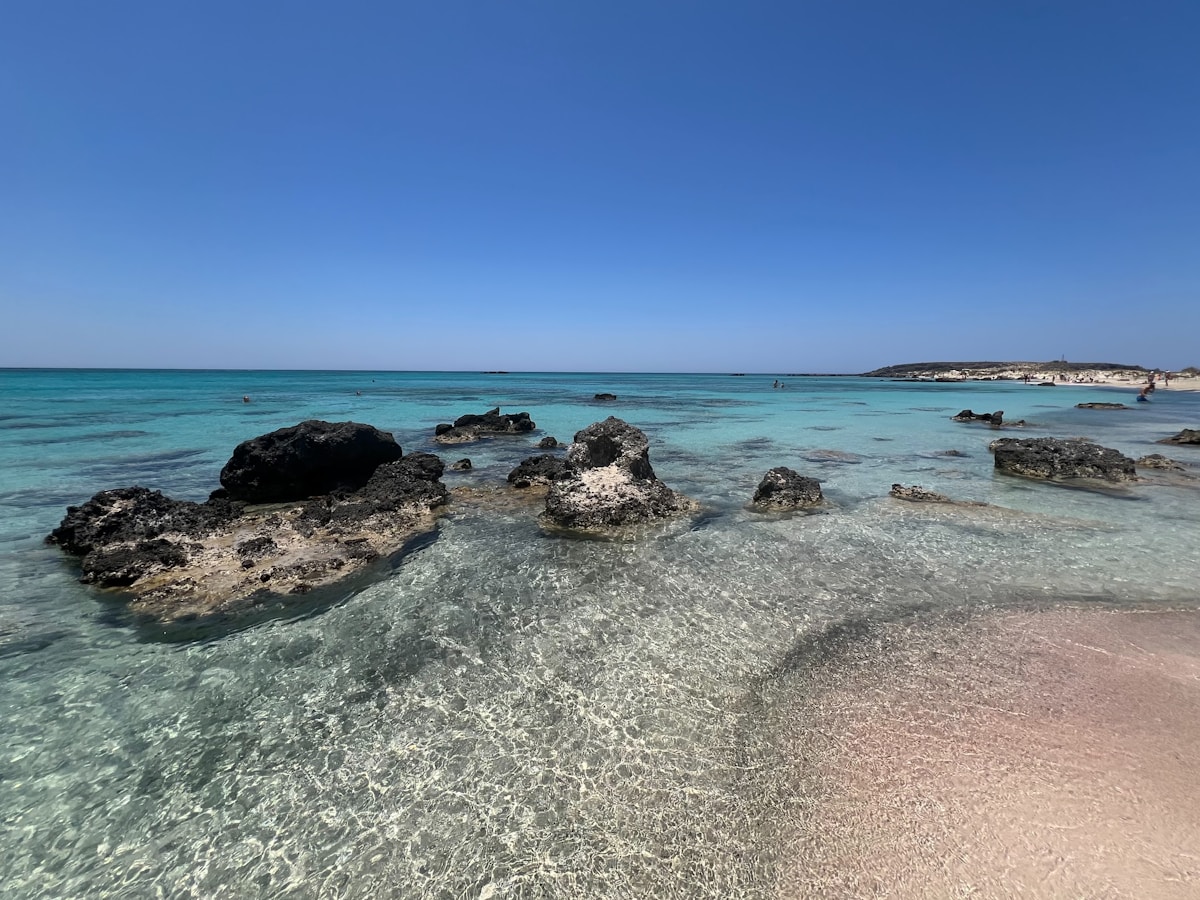
Vung Tau 2026: HCMC's Weekend Beach City - What to Expect
Vung Tau travel guide: beach city 120km from HCMC, primarily a domestic weekend destination with good seafood, colonial history, and hydrofoil access.
Guides for Vung Tau
Vung Tau is a coastal city on a peninsula 120km southeast of Ho Chi Minh City. It is primarily a domestic Vietnamese weekend destination - HCMC residents take the hydrofoil (75 minutes) for a beach weekend. International backpackers pass through less often than other coastal cities; Con Dao and Mui Ne attract travellers looking for more dramatic scenery or kitesurfing.
Understanding what Vung Tau is - and isn’t - is useful before visiting. It’s a working city with beaches, good seafood, colonial-era buildings, and a giant Christ statue on a headland. It’s not a pristine island or a tourist-built resort strip. The beaches are urban beaches, and the city functions around its oil industry (Vung Tau is the offshore oil services hub for Vietnam’s South China Sea production).
What’s genuinely good about Vung Tau
Seafood: Some of the best fresh seafood in southern Vietnam, supplied directly from the fishing fleet. The range of preparation styles and the quality-to-price ratio are high.
The Giant Jesus (Christ of Vung Tau): A 32m statue on a 170m hilltop, built 1974–1994. Stairs inside lead to the observation point at the statue’s arms. The view over the peninsula is genuinely good.
Front Beach and Back Beach: Two distinct beaches on either side of the peninsula. Front Beach (Bai Truoc) is calmer and more scenic; Back Beach (Bai Sau) is longer (8km) but noisier and more crowded at weekends.
Lunch and eating culture: Vietnamese domestic beach tourism produces excellent casual dining - beachside restaurants serving grilled squid, clams, crab, and the local banh khot (mini rice pancakes) are everywhere.
Costs
Low by Vietnamese standards. This is a local destination, not an international resort. Budget daily: ₫250,000–500,000 ($10–20). Seafood meals: ₫100,000–300,000 ($4–12) per person.
When to go
Dry season (November–April) is the better period. Weekdays are significantly quieter than weekends - if combining with the hydrofoil, a Tuesday–Thursday visit gives the best experience. Major Vietnamese holidays see intense domestic crowds.
Getting here
Hydrofoil from HCMC (recommended): 75 minutes from Bach Dang pier in District 1. ₫250,000–350,000 ($10–14) each way as of 2026. Multiple departures daily from 07:00 to 17:00.
Bus from HCMC: 2–2.5 hours from Mien Dong Bus Station. ₫70,000–120,000 ($2.80–4.80) as of 2026.
Things to do
For day trips from HCMC to Vung Tau and guided tours of the peninsula’s highlights, browse options on GetYourGuide.
Christ of Vung Tau: 32m statue on a 170m hilltop. Climb the internal stairs to the observation points at the outstretched arms. Free entry. Open daily 07:30–11:30 and 13:30–17:00.
Cap Saint-Jacques (Nui Nho): The southern headland with a lighthouse and coastal path. Good sunset viewpoint. Free to walk.
Bach Dinh (White Palace): French colonial villa built for the Governor-General of Indochina. Set in gardens with sea views. Small museum with period furniture. Entry approximately ₫15,000 ($0.60) as of 2026.
Bai Dau seafood: The northwest tip of the peninsula has the best seafood restaurants - Goc Bien and neighbouring operations serve fresh catch at ₫200,000–500,000 ($8–20) per person as of 2026.
Where to stay
Palace Hotel Vung Tau: Established hotel on the Front Beach strip with pool and direct beach access. Approximately ₫900,000–2,500,000 ($36–100) per night as of 2026. Weekend rates are substantially higher.
Best Western Vung Tau: Reliable international-brand mid-range, a short walk from Front Beach. Approximately ₫700,000–1,800,000 ($28–72) as of 2026.
Imperial Hotel: The main upscale property in the city, with rooftop pool and sea views. Approximately ₫1,500,000–4,000,000 ($60–160) as of 2026.
Budget guesthouses: Concentrated in the town centre (Le Hong Phong and surrounding streets), from ₫200,000–450,000 ($8–18) per night as of 2026. Basic facilities. Weekday rates are significantly lower than weekend rates.
Where to eat
Goc Bien (northwest tip, Bai Dau): The cluster of seafood restaurants at the northwest tip of the peninsula is where locals eat. Fresh crab, grilled prawns, steamed clams, and whole squid at ₫200,000–500,000 ($8–20) per person as of 2026. Take a Grab or motorbike — it’s 5km from the town centre.
Night market, Hoang Hoa Tham Street: Evening street food market with banh khot (mini rice pancakes — Vung Tau’s signature dish), grilled squid, sugarcane juice, and tropical fruit. Items from ₫20,000–60,000 ($0.80–2.40) as of 2026. Open from 17:00.
Pho and banh mi: The working-city character means good cheap pho and banh mi on the streets behind the main tourist areas. Breakfast pho: ₫35,000–50,000 ($1.40–2). Banh mi: ₫20,000–35,000 ($0.80–1.40) as of 2026.
Getting around
Grab is available and reliable. Motorbike rental costs ₫100,000–150,000 ($4–6) per day as of 2026. The peninsula’s coastal road circuit is a pleasant 30-minute ride connecting all the main areas.
More in Vung Tau
- Things to Do in Vung Tau
- Vung Tau Beaches Guide
- Vung Tau Food Guide - Best Dishes and Where to Eat
- Best Restaurants in Vung Tau
- Best Hotels in Vung Tau
- Best Hostels in Vung Tau
- Getting to Vung Tau
Nearby destinations
Plan your trip
Planning to visit? Browse hotels in Vung Tau — free cancellation on most bookings.
Book an experience
Top experiences in Vung Tau
Explore the best tours and activities in Vung Tau , with instant confirmation and free cancellation on most bookings.
Frequently Asked Questions
- Is Vung Tau worth visiting for international travellers?
- Vung Tau is best understood as a working city with beaches and excellent seafood rather than a resort. It suits travellers wanting a local Vietnamese beach experience with good food and easy access from HCMC (75 minutes by hydrofoil).
- How tall is the Christ statue in Vung Tau?
- The Christ of Vung Tau is a 32m statue on a 170m hilltop, built between 1974 and 1994. Stairs inside lead to observation points at the outstretched arms with views over the entire peninsula.
- When is the best time to visit Vung Tau?
- Dry season (November-April) is the better period. Visit Tuesday-Thursday for a quieter experience - weekends bring heavy domestic crowds from HCMC. Major Vietnamese holidays see intense domestic tourism.