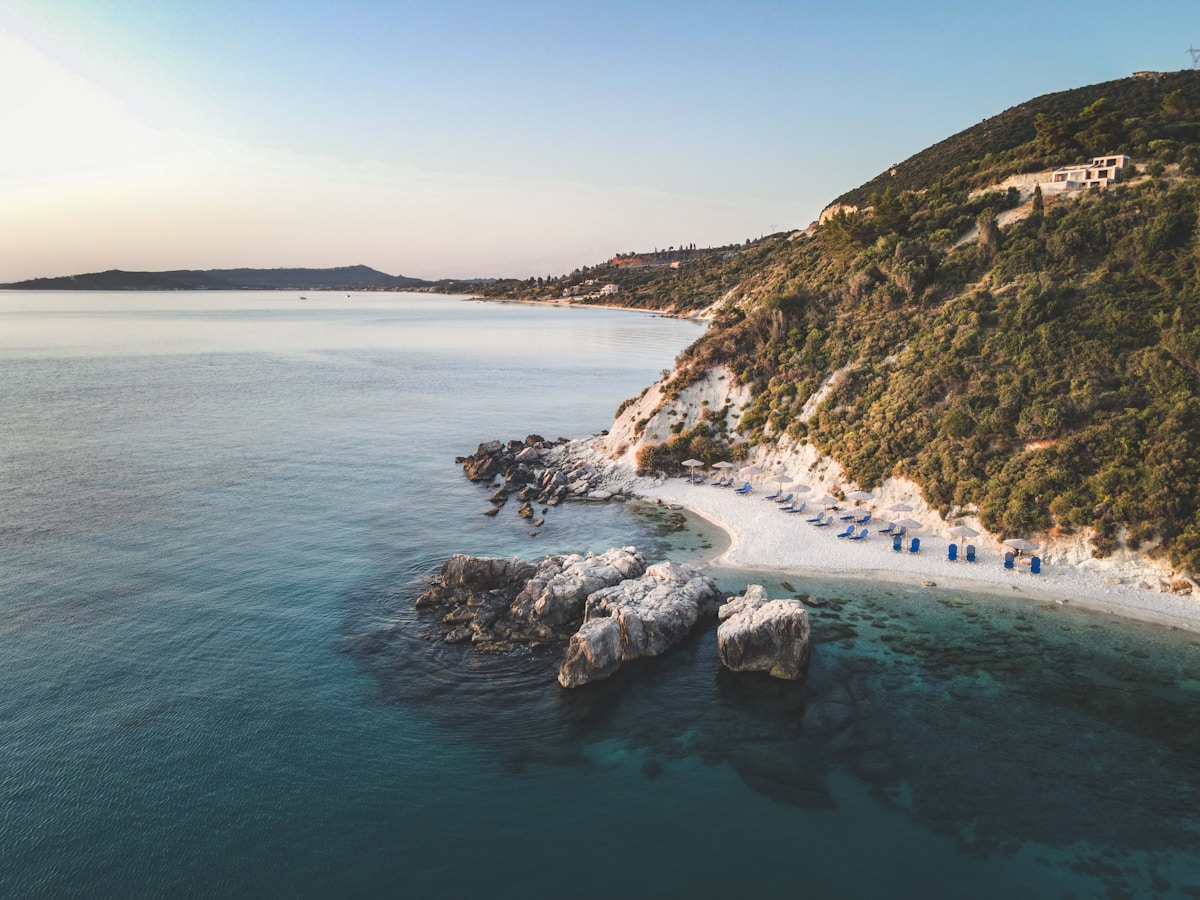
Sao Beach (Bai Sao)
The island’s standout beach. White powder sand, clear turquoise water, and calm conditions - accessible year-round in the dry season (November–April). Located 25km south of Duong Dong town. Grab or motorbike rental required.
Practical: ₫200,000–400,000 ($8–16) for a sun lounger and umbrella. Beach bars and seafood restaurants operate from mid-morning. Arrive before 10:00 in high season to get good positioning. Crowds build significantly noon–15:00.
Long Beach (Bai Truong)
The 20km west coast beach runs from Duong Dong town south toward Sao Beach. The northern section near town has resort access and beach bars. The central and southern sections are quieter. Sunset views are the main draw - west-facing coast means clear horizon sunsets in dry season.
Swimming: Water is calmer than the east coast. Good for swimming November–April. Avoid May–October when southwest monsoon creates rough conditions and jellyfish become more common.
An Thoi Archipelago and island hopping
Nineteen small islands in the southern tip of Phu Quoc, accessible by boat from An Thoi port. Day trips combine several islands: Hon Thom (the largest, with beach and water park), Hon May Rut (quieter beach), Hon Dam (snorkelling).
Organised group day trips: ₫350,000–600,000 ($14–24) per person including transport, snorkelling equipment, and lunch. Private speedboat: ₫2,000,000–4,000,000 ($80–160) for the boat.
Diving and snorkelling
The reefs around the An Thoi Archipelago are the main dive area. Coral coverage and fish diversity are reasonable - better than most of Vietnam’s mainland, though not at Coral Triangle standard. See the diving guide for operator details.
Duong Dong Night Market
The main town’s night market operates nightly from approximately 18:00. Seafood (grilled prawns, squid, clams), Vietnamese street food, and trinkets. The seafood is a highlight - fresh and reasonably priced compared to beach restaurants.
Honest note: The market is a tourist market. Prices are higher than local eating spots but fair for convenience. Bargain at stalls selling non-food items.
Pepper farms (north and centre)
Phu Quoc’s peppercorn is a protected geographical indication - the island’s soil and humid climate produce a distinctively fragrant black and red pepper used across Vietnamese cooking. Several farms in the centre-north allow visits: Khai Hoan and Ba Ria are the most visitor-accessible.
Free or nominal entry. Visits are self-guided - the pepper plants grow on wooden frames in large plots. Best March–May when the red berries are visible. Farm-gate purchase: ₫100,000–200,000 ($4–8) for 100g.
Fish sauce factory (nuoc mam)
Phu Quoc fish sauce has been produced here for over 200 years. The Khai Hoan fish sauce factory in Duong Dong town offers tours - the vats of fermenting anchovies and the production process are genuinely interesting. Free entry. The smell is powerful.
Phu Quoc nuoc mam has EU Protected Geographical Indication status (the only Vietnamese product with this designation). The island exports approximately 10 million litres annually.
Vinpearl and Grand World (north coast)
The large Vinpearl Safari and Vinpearl Land amusement complex on the north coast is primarily a domestic tourism destination. The safari park (₫600,000–800,000 / $24–32) houses animals in relatively large enclosures - more space than typical Vietnamese zoos but still a captive animal facility.
Grand World is an entertainment complex near Duong Dong designed to resemble European canal towns. Worth a walk-through in the evening for the spectacle; not a substitute for the island’s natural features.
Phu Quoc National Park
The national park covers 93,000 ha of interior forest, classified as a UNESCO Biosphere Reserve. Trekking access is limited - a trail network exists in the north but requires a guide and advance arrangement. The park is better understood as a protected buffer than as a developed ecotourism destination.
Birdwatching: The forest supports endemic and migratory bird species. Early morning visits to the park edges are productive.
Top Tours at a Glance
Here’s a quick comparison of top-rated Phu Quoc tours on GetYourGuide:
| Tour | Duration | Price (from) | Group Size | Highlights |
|---|---|---|---|---|
| Southern Islands Snorkelling Day | Full day | from $28/person | Group | An Thoi archipelago, 3 islands, snorkelling, lunch |
| Sunset Sailing Cruise | 3–4 hrs | from $30/person | Group | Catamaran, Phu Quoc west coast sunset, drinks included |
| North Phu Quoc Exploration Tour | 7–8 hrs | from $35/person | Small group | National Park, pepper farms, fish sauce factory, beaches |
| Night Squid Fishing Tour | 3–4 hrs | from $22/person | Small group | Evening depart, fresh squid cooked on board |
| Kayaking & Snorkelling Small Group | 5–6 hrs | from $25/person | Up to 8 | Sea kayak through mangroves, Hon Thom reef |
Browse all Phu Quoc tours → GetYourGuide
More in Phu Quoc
- Phu Quoc Beaches 2026: Sao Beach, Long Beach and the Best Swimming Spots
- Best Hostels in Phu Quoc 2026: Budget Stays and Party Hostels
- Best Hotels in Phu Quoc 2026: Resorts, Boutique and Budget Options
- Best Restaurants in Phu Quoc 2026: Seafood, Local Food and Night Market
- Diving and Snorkelling in Phu Quoc 2026: An Thoi Archipelago Guide
- Getting to Phu Quoc 2026: Flights, Ferry from Ha Tien and Rach Gia
- Island Hopping in Phu Quoc 2026: An Thoi Day Trip Guide
- Phu Quoc North vs South 2026: Which Part of the Island to Stay
- Best Hotels in Phu Quoc 2026: Best Areas and Accommodation Guide