Where to Stay in Mui Ne 2026: Resort Strip to Budget Guesthouses
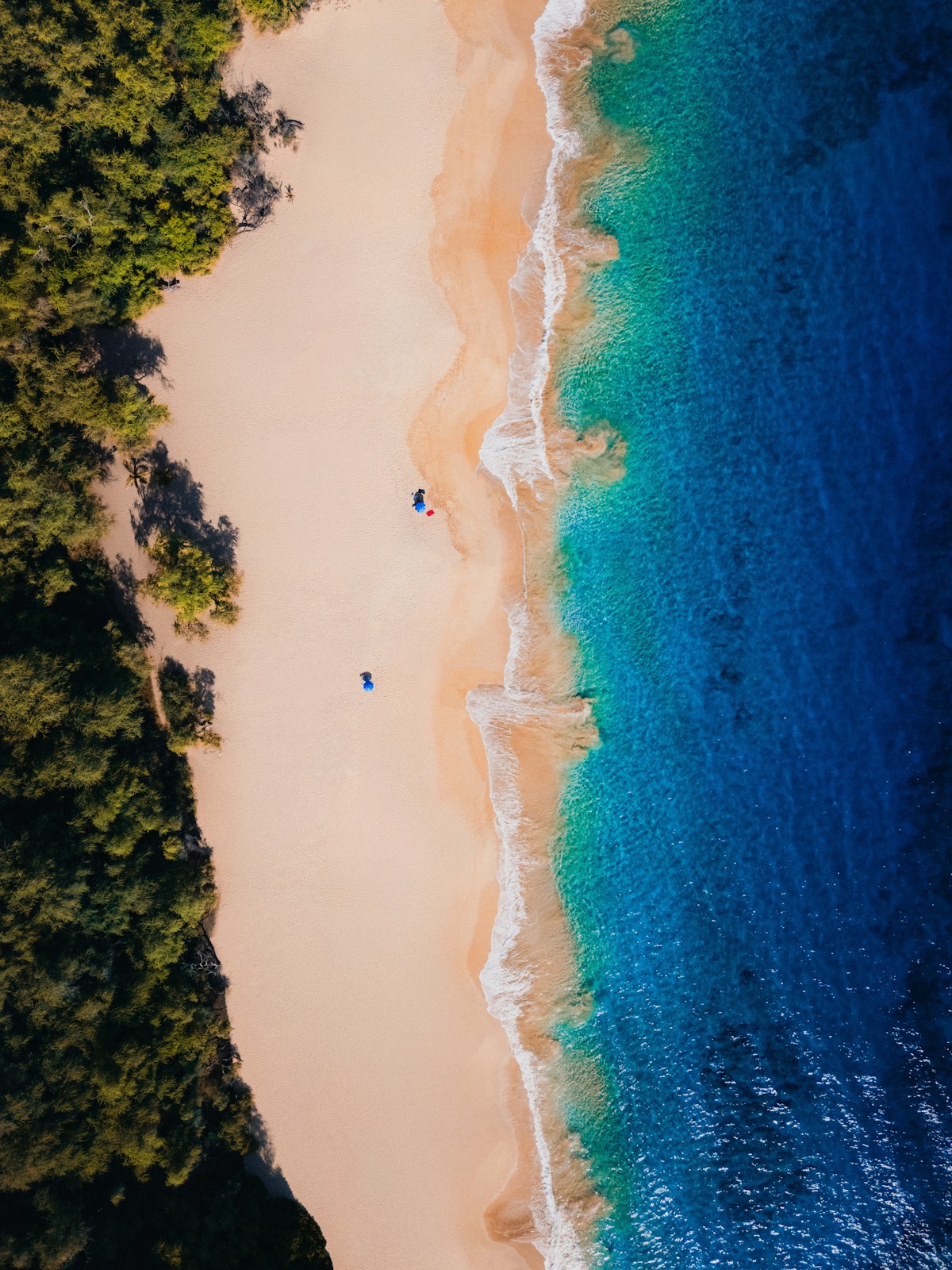
Mui Ne accommodation stretches along a 10km coastal road. Location on the strip matters more than in denser Vietnamese cities — there is nothing between the properties except road and beach access, and the strip can feel isolated if you’re not mobile.
Ham Tien (main kite zone)
The western section of the strip around Ham Tien is the kitesurfing hub — the kite schools are concentrated here, wind conditions are best, and the beach has the most launch and landing space. Best for kitesurfers and water sports visitors.
The accommodation here ranges from budget guesthouses to mid-range resorts.
Central strip (km 3–8)
The middle section has the most accommodation density. The main restaurants and bars are concentrated around km 3–5. Budget, mid-range, and some upscale resorts are all present.
Trade-off: More lively and social than the ends of the strip but not specifically optimal for either kitesurfing or quiet beach escape.
Mui Ne Cape (eastern end)
Quieter and more upscale. Some of the better resort properties are at this end. The fishing village is here, which adds local atmosphere. Less convenient for kite schools.
Practical notes
Transport on the strip: Without a motorbike or bicycle, you’re dependent on xe om or resort shuttle for movement. Rent a bicycle or motorbike (₫100,000–200,000 / $4–8 per day) to access the whole strip and the dunes.
Noise: Some resorts on the strip have beach bars with music until late. If noise sensitivity is a concern, check which resorts have late-night bar operations before booking.
Wind season: November–April is the peak kite season. Outside this window, the strip is quieter and some operations reduce hours.
Named hotel recommendations
Cham Villas (Mui Ne cape, boutique): Beachfront bungalows with Cham-influenced design and pool. Quiet location. ₫1,500,000–4,000,000 ($60–160) as of 2026.
Victoria Phan Thiet Resort (mid-luxury): Good pool and beach, more polished than the average strip resort. ₫2,000,000–5,000,000 ($80–200) as of 2026.
The Cliff Resort (mid-range): Cliff-top pool overlooking the sea. Good views along the coast. ₫900,000–2,000,000 ($36–80) as of 2026.
Sandy Beach Resort (budget-mid): On the beach with pool. Good value for the price. ₫400,000–900,000 ($16–36) as of 2026.
Budget guesthouses (Ham Tien area): Private rooms from ₫200,000–400,000 ($8–16) as of 2026. Multiple family-run options near the kite schools.
Extended stays for kitesurfers
Budget kiters often stay 1–2 weeks for a full kite course. For this duration, negotiate monthly or weekly rates directly with guesthouses — nightly rates drop significantly for longer stays. Key requirements: equipment storage, proximity to your kite school (within 500m), and reliable wifi if working remotely.
Eating from your accommodation
The central strip (km 3–5) has the most restaurant density. If staying at the strip edges, a motorbike or bicycle is needed for dining variety. The fishing village area at the eastern end has the cheapest and freshest seafood. Phan Thiet town (5km west) has significantly cheaper local food than the strip.
Getting to Mui Ne
Express buses from HCMC’s Mien Dong Bus Station take 4–5 hours. ₫120,000–200,000 ($4.80–8) as of 2026. Open-tour buses drop directly at the Mui Ne strip. From Da Lat or Nha Trang, buses take approximately 4–5 hours each.
More in Mui Ne
- Mui Ne Beaches 2026: Kite Beach, Fishing Village Beach and Sugarloaf
- Best Hostels in Mui Ne 2026: Budget Stays for Kiters and Backpackers
- Best Hotels in Mui Ne 2026: Kite Resorts and Budget Guesthouses
- Best Restaurants in Mui Ne 2026: Seafood, Banh Mi and Strip Dining
- Mui Ne Sand Dunes 2026: Red Dunes, White Dunes and Bau Trang
- Things to Do in Mui Ne 2026: Kitesurfing, Dunes and Fishing Village
- Water Sports in Mui Ne 2026: Kitesurfing, Windsurfing and Surfing
Book an experience
Top-rated experiences in Mui Ne
The highest-rated tours and activities in Mui Ne. Book today, cancel free if plans change.
Frequently Asked Questions
- Where should kitesurfers stay in Mui Ne?
- The Ham Tien area at the western end of the strip — this is where the kite schools concentrate, wind conditions are best, and the beach has the most launch and landing space.
- Do I need a motorbike to get around the Mui Ne strip?
- Yes. Without a motorbike or bicycle, you are dependent on xe om or resort shuttles. Motorbike and bicycle rental costs 100,000-200,000 VND ($4-8) per day and gives access to the whole 10km strip and the dunes.
- When is peak season on the Mui Ne strip?
- November to April is peak kite season when the strip is most active. Outside this window, the strip is quieter, some operations reduce hours, and prices drop.
Sorted your stay?
Here's how to get there — and get around once you arrive.
Airport Transfer
Fixed-price airport pickup to Mui Ne — driver meets you at arrivals, no haggling.
Book a Transfer →Car Hire
Compare rates from local and international suppliers — 90-day price lock included.
Compare Cars →We may earn a small commission — at no extra cost to you.