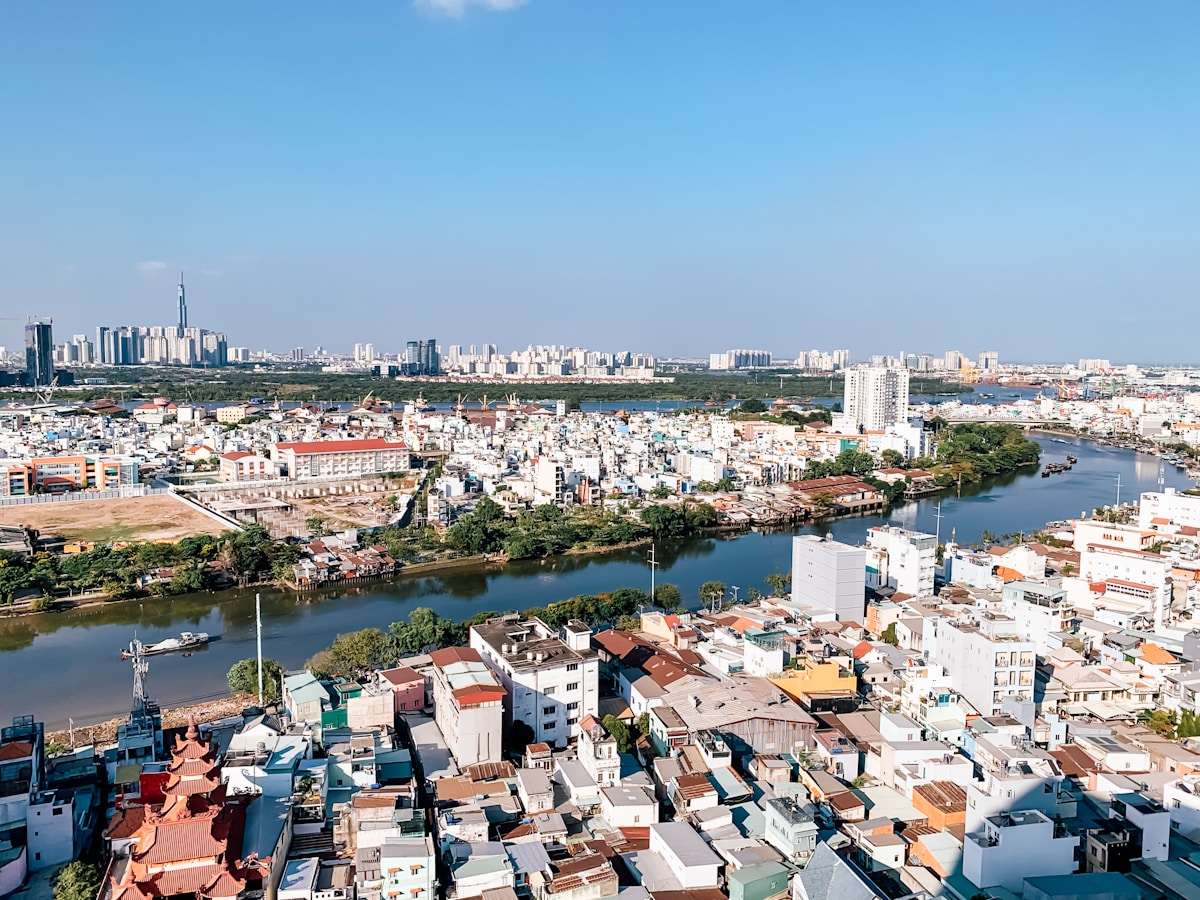
HCMC’s main activities combine war history, French colonial architecture, eating, and nightlife. Two full days cover the main sights; the food scene alone justifies longer.
War Remnants Museum
One of the most visited and most powerful museums in Vietnam. Documents the American War (Vietnam War) from the Vietnamese perspective - extensive photographic documentation of casualties, chemical weapon effects, and prison conditions. The collection is deliberately confrontational.
Entry: ₫40,000 ($1.60). Open daily 07:30–18:00 (12:00–13:30 closed). Allow 2–3 hours. Emotionally difficult - be prepared.
Reunification Palace (Independence Palace)
The presidential palace of South Vietnam, preserved as it was on April 30, 1975 when North Vietnamese tanks entered the grounds and the war ended. The building is a perfect example of 1960s modernist Vietnamese architecture. Guided and self-guided tours of the presidential quarters, war command centre, and communications bunker.
Entry: ₫45,000 ($1.80). Open 07:30–11:00, 13:00–16:00. Allow 1.5–2 hours.
Ben Thanh Market
HCMC’s central market - a French-era building housing vendors selling clothing, handicrafts, food, and souvenirs. The market’s indoor food section (upstairs) is one of the better places to eat pho, bun bo Hue, and other Vietnamese dishes in a central location. Prices for non-food items require bargaining.
Honest note: Ben Thanh is heavily tourist-facing and prices reflect this. For genuine local market experience, Binh Tay Market in Cholon is more authentic.
Notre-Dame Cathedral (Basilica of Notre-Dame)
Built 1877–1883 from materials imported entirely from France. The twin bell towers and neo-Romanesque facade are distinctive. The interior is active as a Catholic parish. Currently under restoration - exterior scaffolding present.
Central Post Office
The 19th-century colonial post office designed with Gustave Eiffel’s structural involvement. The arched iron interior ceiling and the mural portrait of Ho Chi Minh facing the entrance are both worth seeing. Still operating as a functioning post office. Free entry.
Cho Lon (Chinatown)
The Chinese-Vietnamese district in District 5. The Thien Hau Temple (dedicated to the sea goddess) is the most significant Chinese temple in HCMC - incense smoke, red lacquer, and genuine religious activity. Binh Tay Market operates as a wholesale market. The streets around Cho Lon retain their Chinese shophouse character.
Bui Vien Walking Street
The backpacker social hub - a pedestrianised street in District 1 with bars, restaurants, and street food. Loud, bright, and busy every evening. Not the most refined experience in HCMC but genuinely lively and a natural meeting point for budget travellers.
Rooftop bars
HCMC has the best rooftop bar scene in Vietnam. Several high-rise hotels in District 1 have rooftop bars with city panoramas.
Chill Skybar: Multiple levels on the AB Tower. City views from 26 floors. ₫80,000–200,000 ($3.20–8) per drink.
Saigon Saigon Bar: Long-running rooftop at the Caravelle Hotel - historic venue (journalists drank here during the American War). ₫80,000–180,000 ($3.20–7.20).
Day trips
The two most popular day trips from HCMC are the Cu Chi Tunnels and Mekong Delta - both can be visited as half-day or full-day excursions. The tunnels are best understood with a guide who can explain the tunnel network’s military significance. See the dedicated Cu Chi Tunnels guide for more detail.
Top Tours at a Glance
Here’s a quick comparison of top-rated Ho Chi Minh City tours on GetYourGuide:
| Tour | Duration | Price (from) | Group Size | Highlights |
|---|---|---|---|---|
| HCMC Highlights Half-Day Tour | 4–5 hrs | from $15/person | Group | War Remnants Museum, Reunification Palace, Notre-Dame, guide |
| Cu Chi Tunnels Half-Day | 5 hrs | from $15/person | Group | Ben Dinh tunnels, crawl section, English commentary |
| Mekong Delta Day Trip | 10–11 hrs | from $30/person | Group | River boat, coconut workshop, sampan canoe, lunch |
| Street Food & History Walking Tour | 3 hrs | from $22/person | Up to 10 | Ben Thanh area, Cho Lon Chinatown, 6 food stops |
| Private HCMC City Tour | 5–6 hrs | from $40/person | Private | Tailored route, private car, licensed guide |
Browse all Ho Chi Minh City tours → GetYourGuide
More in Ho Chi Minh City
- Best Cafes to Work in Ho Chi Minh City 2026: Coworking and Wifi Cafes
- Best Hostels in Ho Chi Minh City 2026: Pham Ngu Lao Budget Stays
- Best Hotels in Ho Chi Minh City 2026: From Luxury to Budget
- Best Restaurants in Ho Chi Minh City 2026: Com Tam, Pho and Street Food
- Ho Chi Minh City Coffee Guide 2026: Ca Phe Sua Da and Specialty Cafes
- Cu Chi Tunnels 2026: Complete Visitor Guide from Ho Chi Minh City
- Day Trips from Ho Chi Minh City 2026: Mekong Delta, Cu Chi and More
- Ho Chi Minh City Food Guide 2026: What to Eat in Saigon
- Getting Around Ho Chi Minh City 2026: Grab, Motorbike and Metro
- Ho Chi Minh City History 2026: Saigon from French Colony to Reunification
- Ho Chi Minh City Nightlife 2026: Rooftop Bars, Bui Vien and Clubs
- Vegan Food in Ho Chi Minh City 2026: Com Chay and Vegan Cafes
- Best Hotels in Ho Chi Minh City 2026: Best Districts for Visitors