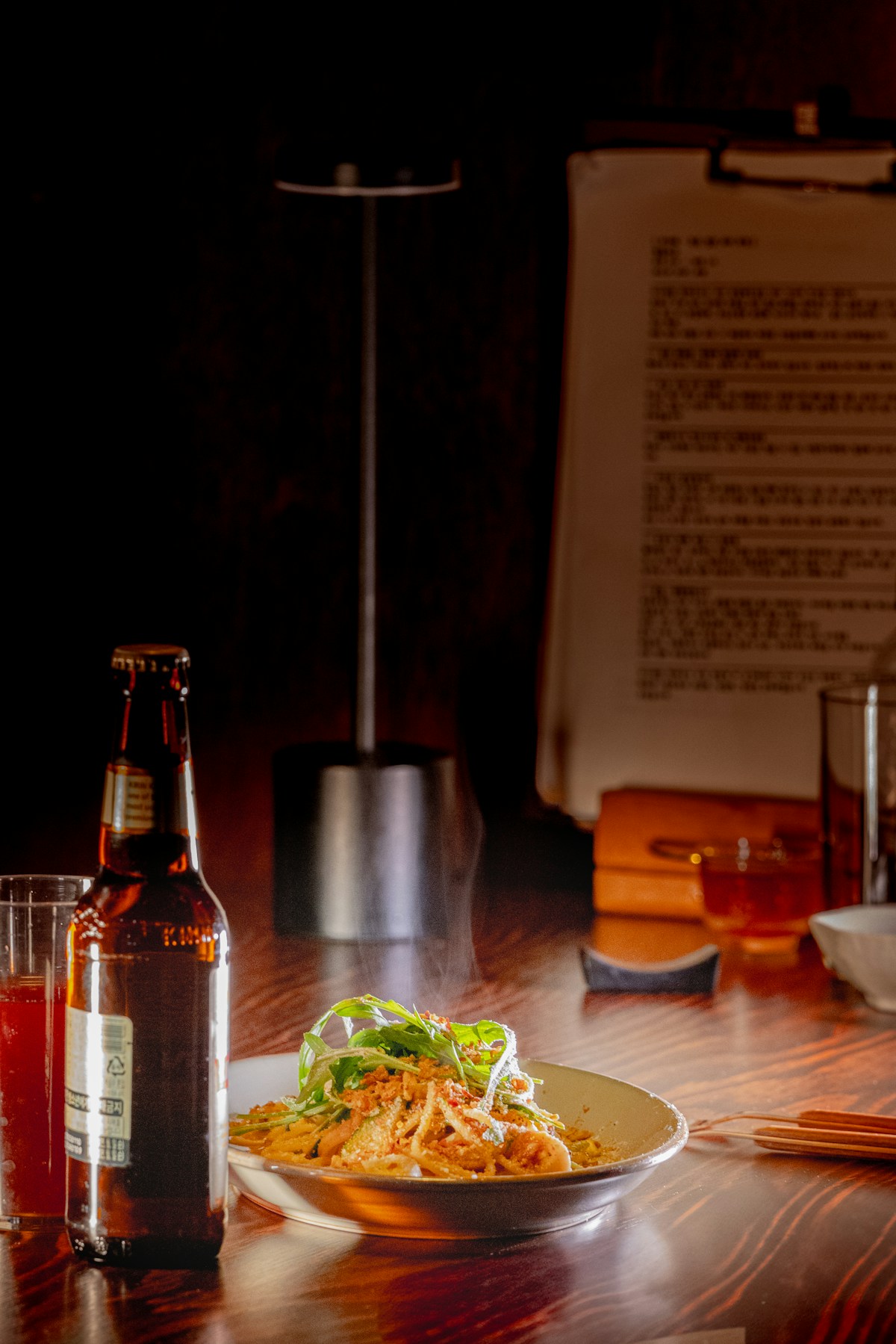
HCMC has arguably the most diverse restaurant scene in Vietnam. The southern city’s food culture incorporates Vietnamese, Chinese-Vietnamese, French-influenced, and a contemporary international scene that has grown rapidly over the past decade.
Street Food and Casual Eating
The best eating in HCMC is often at street stalls and small specialist shops. These are not backup options - they are the point.
Bún Bò Huế Bà Tuyết (9 Ngô Thị Thu Minh, District 3): Excellent bún bò Huế - the Hue-style spicy beef noodle soup, distinct from pho in its lemongrass-forward broth and thicker noodles. Open mornings only; arrive before 9am. ₫60,000–90,000.
Bánh Mì Huỳnh Hoa (26 Lê Thị Riêng, District 1): The most famous bánh mì in Saigon. Always a queue - it moves fast. The sandwich is generously stuffed with pate, Vietnamese cold cuts, and pickled vegetables. Worth it. ₫40,000–60,000.
Cơm Tấm Thuận Kiều (Bùi Thị Xuân, District 1): Broken rice specialist open from early morning. The cơm tấm plate - broken rice with grilled pork chop, shredded pork skin, steamed egg meatloaf, and pickled vegetables - is the quintessential HCMC meal. ₫50,000–90,000.
Phở Hòa (260C Pasteur, District 3): Operating since 1960, one of the most respected pho houses in the city. Southern-style pho - richer, sweeter broth with more garnish than the Hanoi version. ₫70,000–120,000.
Com Tam (broken rice)
The quintessential HCMC street dish. Broken rice (the fragments left from the milling process) with grilled pork chop, shredded pork skin, steamed egg meatloaf (bi cha), and pickled vegetables. A filling, cheap, and characteristically Saigon meal.
Available at com tam restaurants throughout the city from 06:00 to late night. ₫35,000–70,000 ($1.40–2.80).
Com Tam Ba Ghien (84 Dang Van Bi, Binh Thanh): Widely cited as one of the best in the city. Worth the Grab ride from D1. ₫45,000–70,000 ($1.80–2.80).
Mid-Range Restaurants
Ngon Restaurant (160 Pasteur, District 3): A converted French villa courtyard serving Vietnamese regional dishes from across the country - a practical way to sample the breadth of Vietnamese cuisine in one sitting. Popular with both locals and visitors. ₫150,000–350,000 per person.
Quán Bụi (17A Ngô Văn Năm, District 1): Contemporary Vietnamese with a good wine list. Popular for business lunches and dinners. The kitchen handles both Vietnamese classics and updated versions competently. ₫250,000–500,000 per person.
The Racha Room (10 Tôn Thất Thiệp, District 1): Strong Thai food in a reliable setting, popular with the expat community. Consistent quality. ₫150,000–350,000 per person.
Upscale and Fine Dining
Anan Saigon (89 Tôn Thất Đạm, District 1): Chef Peter Cuong Franklin’s flagship - contemporary Vietnamese fine dining rooted in street food traditions. The tasting menu reinterprets classic HCMC dishes through a fine dining lens. One of the more interesting restaurant experiences in Vietnam. Tasting menu from ₫1,200,000 per person.
The Refinery (74 Hai Bà Trưng, District 1): French brasserie in a converted 1920s opium refinery building in the French Quarter. Solid cooking and one of District 1’s better settings for a formal dinner. ₫400,000–800,000 per person.
Banh Mi
HCMC’s banh mi is widely considered the archetype - crispier bread, more varied fillings, and pate heavier than the central Vietnamese versions.
Banh Mi Huynh Hoa (26 Le Thi Rieng, D1): One of the most famous in the city. Always a queue. Generously stuffed. ₫30,000–50,000 ($1.20–2).
Bun Thit Nuong (cold vermicelli with grilled pork)
Rice vermicelli with marinated grilled pork, fresh herbs, pickled vegetables, and a fish sauce dressing. A light, herb-forward dish specific to southern Vietnam. ₫30,000–50,000 ($1.20–2).
Banh Xeo HCMC
The HCMC version of the sizzling pancake is very large - a full plate for one. Filled with shrimp, pork, and bean sprouts. Eaten wrapped in mustard leaf and rice paper. ₫50,000–80,000 ($2–3.20).
Take a Guided Food Tour of Ho Chi Minh City
HCMC is the most diverse food city in Vietnam — com tam, banh mi, bun bo Hue, pho, and fresh seafood all coexist with a French-influenced bakery culture and a growing contemporary Vietnamese dining scene. A guided food tour typically covers the Ben Thanh area at dawn for com tam breakfast, the Pham Ngu Lao night food stalls, and at least one neighbourhood restaurant in District 3 or 4 that serves the kind of com binh dan lunch that the local office crowd eats on weekday afternoons. The city’s scale makes a guide particularly valuable for first visits — without one, visitors tend to cluster in District 1 and miss the eating that happens in the surrounding districts.
Book a guided food tour of Ho Chi Minh City on GetYourGuide
For the food culture behind what you’re eating - com tam’s origins, how southern pho differs from the northern version, and why Saigon’s cuisine absorbed so many outside influences - see our Saigon food culture guide.
More in Ho Chi Minh City
- Best Cafes to Work in Ho Chi Minh City 2026: Coworking and Wifi Cafes
- Best Hostels in Ho Chi Minh City 2026: Pham Ngu Lao Budget Stays
- Best Hotels in Ho Chi Minh City 2026: From Luxury to Budget
- Ho Chi Minh City Coffee Guide 2026: Ca Phe Sua Da and Specialty Cafes
- Cu Chi Tunnels 2026: Complete Visitor Guide from Ho Chi Minh City
- Day Trips from Ho Chi Minh City 2026: Mekong Delta, Cu Chi and More
- Ho Chi Minh City Food Guide 2026: What to Eat in Saigon
- Getting Around Ho Chi Minh City 2026: Grab, Motorbike and Metro
- Ho Chi Minh City History 2026: Saigon from French Colony to Reunification
- Ho Chi Minh City Nightlife 2026: Rooftop Bars, Bui Vien and Clubs
- Things to Do in Ho Chi Minh City 2026: War History, Markets and Street Food
- Vegan Food in Ho Chi Minh City 2026: Com Chay and Vegan Cafes
- Best Hotels in Ho Chi Minh City 2026: Best Districts for Visitors
For a guide to Saigon’s iconic dishes and the food culture behind them, see our Ho Chi Minh City food guide.
Plan Your Trip
Book food tours in Ho Chi Minh City Get travel insurance Stay connected with a Vietnam eSIM Back to Ho Chi Minh City Guide