Hoi An’s Ancient Town is a 30-hectare UNESCO World Heritage area on the south bank of the Thu Bon River - one of the best-preserved trading port towns in Southeast Asia and among the most photogenic places in Vietnam. Unlike many heritage sites that can be covered quickly, Hoi An rewards slow walking: the architecture is layered with Chinese, Japanese, Vietnamese, and French influences accumulated over four centuries of trade, and the atmosphere shifts significantly between morning, midday, and evening.
This guide covers a practical self-guided route - what to see, when to walk, what the entry ticket covers, and where to eat.
Top Tours at a Glance
| Tour | Duration | Price (from) | Group Size | Highlights |
|---|---|---|---|---|
| Hoi An Ancient Town Walking Tour | 2.5 hrs | from $15/person | Small group | Japanese Covered Bridge, Assembly Halls, local guide, heritage ticket included |
| Ancient Town Walk with Local Guide | 3 hrs | from $18/person | Max 10 | Narrow-street navigation, Tan Ky Old House, Fukian Assembly Hall, riverfront |
| Ancient Town Walk + Basket Boat Experience | 4 hrs | from $25/person | Small group | Heritage walk combined with coconut forest basket boat ride on the Thu Bon |
| Hoi An Old Town Unique Walking Tour | 2.5 hrs | from $12/person | Max 12 | Merchant quarter stories, less-visited alleys, tailoring quarter |
| Hoian Old Town Free Walking Tour | 2 hrs | Free (tip-based) | Small group | Community guide, entry tickets purchased separately, great introduction |
Browse all Hoi An walking tours → GetYourGuide
The entry ticket
The Hoi An Ancient Town ticket costs approximately 120,000 VND (around USD 5) as of 2026 and is purchased at the ticket office at 1 Nguyen Truong To Street, or from kiosks near the main heritage sites.
The ticket grants access to 5 heritage sites chosen from the designated list, which includes:
- The Japanese Covered Bridge
- Cantonese Assembly Hall (Hoi Quan Quang Trieu)
- Fujian Chinese Assembly Hall (Hoi Quan Phuoc Kien)
- Tan Ky Old House
- Bach Ma Temple
- Several museums (Ceramics Museum, Trade Ceramics Museum, Folk Culture Museum)
You choose which 5 to enter as you go - the ticket is stamped at each site. If you only want to walk the streets, browse the river, and visit tailors, you do not need a ticket at all. But if you want to go inside any of the Assembly Halls or cross the Japanese Covered Bridge, you will need one.
Ticket office hours: Approximately 8:00am to 9:00pm daily.
The walking route
The Ancient Town is compact - the main historic area covers roughly 1km east-west along Tran Phu Street and 500 metres north to the riverfront. Here is a logical sequence for a half-day walk.
Japanese Covered Bridge (Chùa Cầu)
Start at the western end of Tran Phu Street at the Japanese Covered Bridge - the most iconic structure in Hoi An and the symbol on the 20,000 VND note. Built in the early 17th century by Japanese merchants, it spans a small canal connecting the Japanese and Chinese quarters of the old trading town. The bridge contains a small temple dedicated to the weather deity Tran Vo Bac De, which explains the pagoda-style roof.
Cross it, then walk back - both directions give different light. Arrive before 8:00am if you want photographs without crowds; by 9am tour groups arrive in volume.
Tran Phu Street
Walking east from the bridge along Tran Phu Street takes you through the heart of the old merchant quarter. The street was the first in Hoi An and runs parallel to the river. The architecture along here is a mixture of Vietnamese tube houses (narrow, deep floor plans with internal courtyards) and Chinese shophouses. Most buildings are painted in shades of yellow ochre - the colour that has come to define Hoi An visually.
Cantonese Assembly Hall
The Cantonese Assembly Hall (Hội Quán Quảng Triệu) on Tran Phu Street was built in 1885 by Cantonese immigrants as a communal gathering space and place of worship. The courtyard contains a large incense spiral brazier and is one of the most atmospheric spots in the Ancient Town - particularly in the morning when locals come to pray. Use one of your 5 ticket entries here.
Fujian Chinese Assembly Hall
Further east, the Fujian Assembly Hall (Hội Quán Phước Kiến) is the largest and most elaborately decorated of the Assembly Halls. It was established in 1697 by Fujian Chinese traders and dedicated to Thien Hau, goddess of the sea. The interior has multiple courtyards with dragon columns, intricate wood carvings, and a central hall with a statue of Thien Hau surrounded by offerings. Allow 20–30 minutes.
Thu Bon Riverfront
Walk south from the Fujian Assembly Hall down Bach Dang Street to reach the Thu Bon River. The waterfront strip is lined with old warehouses, small café terraces, and tour boat operators. Basket boats (thuyền thúng) take passengers on short river crossings for around 50,000–80,000 VND. Early morning here - before the heat builds - is the best time to sit and watch the river traffic.
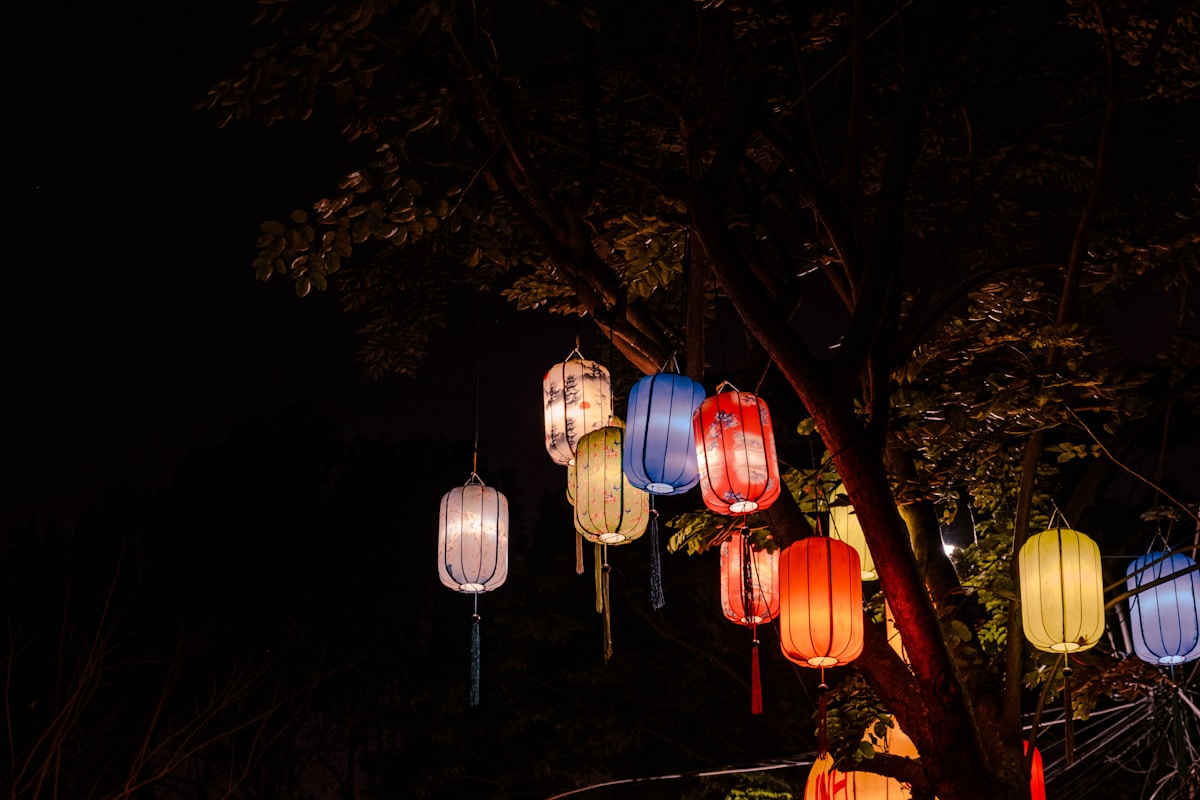
The evening river scene is equally worth experiencing: from around 6pm, the lantern boats go out, and the reflection of coloured lanterns on the water is one of the defining images of Hoi An.
Nguyen Thai Hoc Street
Running parallel to Tran Phu Street one block south, Nguyen Thai Hoc Street has a slightly quieter energy and some of the better tailor shops in the Ancient Town. This is the street to walk if you are looking to have clothes made.
The tailors
Hoi An is Vietnam’s textile and tailoring capital - hundreds of tailor shops operate in and around the Ancient Town. Quality varies enormously. A few considerations:
- Allow at least 2–3 days for a made-to-measure garment if you want a proper fitting and alterations
- Mid-range shops (around USD 40–80 for a dress or shirt) typically produce better work than the cheapest stalls targeting one-night visitors
- The shops on Tran Phu Street and Le Loi Street include long-established operators with English-speaking staff who can guide you through fabric choices
- Bring reference photos if you have a specific style in mind
What to wear
The Ancient Town is outdoors and involves a lot of walking on uneven stone surfaces. Light, breathable clothing is sensible in the tropical heat. For entry to the Assembly Halls, where there are religious shrines, covered shoulders and knees are respectful - a light scarf works for women; long trousers or shorts past the knee for men are fine. You will be removing shoes at some temple thresholds.
Wear comfortable footwear - flip-flops are impractical on the cobblestones. Sandals with ankle support or light sneakers work better.
Timing and crowds
The Ancient Town is busy with tour groups from approximately 9am to 12pm and again from 2pm to 5pm. The best times to be here:
- Before 8am: The streets are quiet, locals are going about their day, and the light on the yellow buildings is excellent for photography. No ticket office open yet, but street-level walking is free.
- 5–7pm: Tour buses have largely departed. The town softens into its evening mode - lantern shops light up, street food vendors set up on the riverfront, and the pace drops considerably.
- Evenings on the 14th of each lunar month: The Full Moon Lantern Festival fills the streets with paper lanterns, traditional music, and candlelit boats. This is worth planning a trip around, but the town is extremely crowded on these nights.
Avoid midday in summer (April–July): the heat and humidity make walking the cobblestoned streets uncomfortable between roughly 11am and 2pm.
Where to eat nearby
- White Rose Restaurant (533 Hai Ba Trung Street) - the only place in Hoi An licensed to make Bánh Bao Vạc (white rose dumplings), a local speciality that originated in the town. Essential. From approximately 50,000–80,000 VND per dish.
- Morning Glory (106 Nguyen Thai Hoc Street) - one of the best-known restaurants in Hoi An, serving Hoi An specialities including Cao Lầu (noodles with char siu pork, unique to Hoi An because of the local well water used in preparation). Around 100,000–180,000 VND per dish.
- Bale Well (45/51 Tran Hung Dao Street) - a set-menu meal of Hoi An spring rolls and grilled meats, eaten at long communal tables. Popular with travellers, approximately 150,000 VND per person.
- Street food on An Hoi peninsula - the footbridge south of the riverfront leads to a small peninsula with a cluster of street food stalls and local restaurants. Less touristy and roughly half the price of the Ancient Town restaurants.
Combining with other Hoi An activities
The walking tour works best as a morning - start at the Japanese Covered Bridge around 7:30am, work through the Assembly Halls and riverfront, have lunch at one of the restaurants above, then visit a tailor in the early afternoon when shops are quieter. Return to the riverfront in the evening for lanterns and dinner.
For the My Son Sanctuary (ancient Cham ruins, 40km west), an early departure is essential - leave by 8am to beat the heat. Most visitors do My Son and the Ancient Town on separate days.