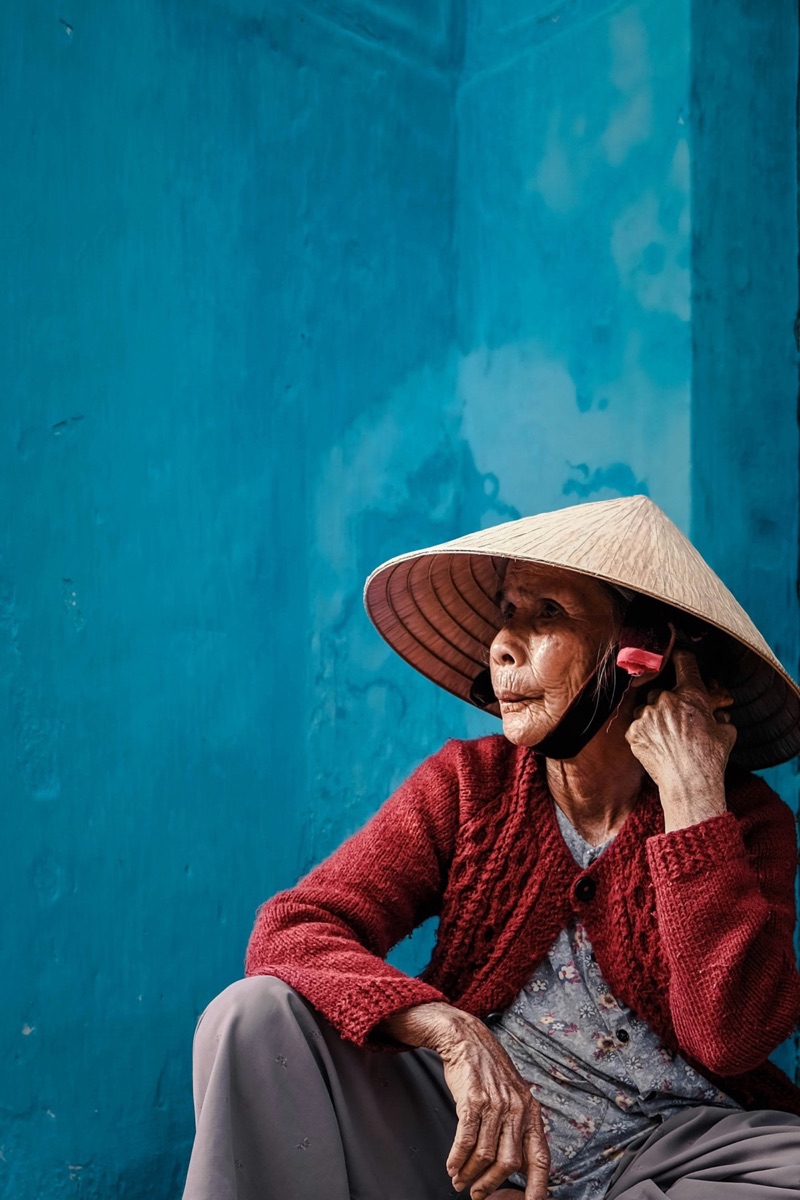
Vietnam is one of the most rewarding countries in Southeast Asia for solo female travel. The north-to-south corridor is well-trodden, hostels are widespread, and the culture around independent travel means you will not struggle to find company when you want it or space when you do not. This guide covers the practical side: where it is safest, where to sleep, how to get around, and how to navigate cultural differences without stress.
Is Vietnam safe for women travelling alone?
Broadly, yes. Street harassment is far less common in Vietnam than in parts of South Asia, the Middle East, or even some Western European cities. Vietnamese culture tends toward restraint in public interactions. Women travelling alone should expect curiosity rather than confrontation.
The risks that exist are common to most of Southeast Asia:
- Bag snatching - mostly limited to Ho Chi Minh City, specifically in busy areas like Bui Vien walking street and around Ben Thanh Market. Motorbike thieves snatch bags worn on the outer shoulder or phones held in hand. Keep bags on your lap in tuk-tuks, cross-body worn at the front in crowds.
- Taxi and transport scams - unlicensed taxis overcharging, fake sleeper bus operators, “helpful” strangers steering you toward their cousin’s guesthouse. Use Grab for all city rides (metered, tracked, bill already agreed before you board).
- Drink spiking - rare but not zero. At bars and clubs, keep your drink with you. Stick to sealed bottles if you have any doubt.
The tourist circuit cities - Hanoi, Hoi An, Da Nang, Da Lat, Hoi An - are noticeably safe and comfortable for solo women. HCMC requires more vigilance than the others, particularly at night.
The safest areas and cities
Hoi An is almost universally considered the most relaxed city for solo female travellers. The Ancient Town is compact, well-lit, and pedestrianised at night. The backpacker community is strong, the streets are safe to walk at midnight, and the atmosphere is genuinely welcoming. Women travel here completely independently without incident.
Hanoi Old Quarter is busy enough that there is always company and activity. The area around Hoan Kiem Lake feels safe at any hour - it is a popular evening gathering spot for locals as well as tourists. Stick to the main streets and well-lit alley restaurants.
Da Nang is safe and easy. The city is spread out and less backpacker-heavy than Hanoi or Hoi An, but the beach zone and the Pham Van Dong strip are clean and well-maintained. Good choice for a mid-trip rest stop.
Da Lat is quiet, cooler, and very low-pressure. The town feels unhurried. It is often recommended for solo travellers who want to decompress.
Ho Chi Minh City (Saigon) deserves slightly more attention than the others. The Pham Ngu Lao backpacker area and District 1 are fine in the daytime, but bag snatching in these zones is real. Bui Vien walking street gets crowded and chaotic at night - fine to visit but be aware of your belongings.
Solo-friendly accommodation
The hostel network in Vietnam is excellent. All of the following are well-reviewed by solo female travellers specifically:
Hanoi:
- The Hammock Hotel Hoan Kiem - central Old Quarter location, female-only dorms available, social common areas. Dorm beds from approximately USD 7–10/night.
- Hanoi Backpackers Hostel Downtown - consistently popular with solo travellers, regular walking tours and bar crawls organised, strong social reputation. Dorms from USD 8–12/night.
- Little Charm Hanoi Hostel - quieter option in the Old Quarter, good reviews for safety and cleanliness. Mixed and female dorms. Dorms from approximately USD 7/night.
Ho Chi Minh City:
- The Common Room Project - mid-scale hostel in District 1, strong female solo traveller reputation, social kitchen and events. Dorms from USD 10–14/night.
- Hideout Hostel - Pham Ngu Lao area, female-only dorms available, good security, responsive staff. Dorms from USD 8–12/night.
- Saigon Youth Hostel - budget option near Ben Thanh Market, often recommended by solo women for its social atmosphere. Dorms from USD 6–9/night.
Hoi An:
- Hoi An Chic Hotel - mid-range option with a good social pool area, often frequented by solo female travellers. Private rooms from approximately USD 20–30/night.
- Tribee Hoa Hostel - boutique hostel feel, female-friendly atmosphere, great location near the Ancient Town. Dorms from approximately USD 9–13/night.
- Home Hoi An Hostel - well-reviewed hostel close to the riverside, organised group activities. Dorms from USD 7–10/night.
Getting around safely
Use Grab for all rides - this is the single most important practical tip. Grab is the dominant ride-hailing app in Vietnam (equivalent to Uber). Every fare is agreed before you get in, the driver’s details are recorded, and the route is tracked. It eliminates the most common transport hassle for solo travellers.
Do not accept taxi offers from people who approach you at airports or bus stations. Meter taxis (Mai Linh, Vinasun) are legitimate; random street hail from unknown companies is where overcharging happens.
Overnight sleeper buses and trains are very commonly used by solo female travellers. The sleeper trains (the Reunification Express) have lockable compartments and are considered safe. Fansipan Express between Hanoi and Lao Cai is specifically well-regarded. For sleeper buses, book through reputable companies: The Sinh Tourist, Kumho Samco, or Hanh Cafe Phuong Trang (Futa Bus Lines) for the south. Avoid the very cheapest unlicensed operators.
Motorbike taxis (xe om) - use Grab Moto rather than flagging down street riders for the same reasons as car taxis.
Female-only compartments exist on some trains but are not standard. On open sleeper buses, middle or top bunks away from the aisle are generally considered better for solo women. Most travellers report no issues.
Cultural norms and dress code
Vietnam is not a conservative country by regional standards, but a few things matter:
Temples and pagodas - cover shoulders and knees. Most temples provide sarongs at the entrance if you are not prepared. Remove shoes before entering.
Rural and minority areas - in highland villages (Sapa, Ha Giang, Mai Chau), very revealing clothing is considered disrespectful. Lightweight linen trousers and a loose shirt are comfortable and appropriate.
Beach areas - bikinis on the beach are completely normal. Cover up once you leave the beach area or enter any town.
Evening out - Vietnamese cities are relaxed about dress codes in bars and restaurants. You will not be turned away for how you are dressed, but very provocative clothing in some areas can attract unwanted attention.
A light shawl or scarf is genuinely useful: it covers you for temples, keeps air-con bus chills off, and can be draped over a bag to deter opportunistic theft.
SIM cards and staying connected
Buy a SIM card at the airport as soon as you land. The major providers are:
- Viettel - largest network, best rural coverage (useful for Ha Giang and Sapa)
- Vinaphone - strong city coverage, good 4G speed
- Mobifone - popular mid-tier option
A tourist SIM with 4G data runs approximately VND 120,000–180,000 (USD 5–7) for 30 days with 4–6GB data. Unlimited daily data plans are also available at similar prices. Top-up cards are sold at most convenience stores (Circle K, FamilyMart, Ministop).
With data, you have: Grab for rides, Google Maps for navigation, Google Translate with camera for menus, and the ability to share your location with family or friends back home. Do not rely on finding Wi-Fi.
Emergency contacts
- Police: 113
- Ambulance: 115
- Fire: 114
- Tourist Police Hanoi: +84 (0)24 3826 6996
- Tourist Police Ho Chi Minh City: +84 (0)28 3822 0701
For medical emergencies, the most reliable hospitals with English-speaking staff:
- Hanoi: Vinmec International Hospital (+84 24 3974 3556), Family Medical Practice Hanoi
- Ho Chi Minh City: Vinmec Central Park, FV Hospital, Columbia Asia Saigon
Keep travel insurance documentation on your phone (a photo of the emergency card is fine). Vietnamese hospitals generally require upfront payment for non-emergency treatment; insurance with emergency evacuation cover is strongly recommended.
Practical tips for first-time solo female travellers
Share your itinerary with someone at home - even a rough one. A daily check-in habit takes 30 seconds.
WhatsApp or Telegram groups - there are active Facebook groups for solo female travellers in Vietnam where you can connect with other solo travellers, ask questions, and arrange to meet up in the same cities.
Trust your instincts - Vietnam is safe, but your gut is still a good guide. If a situation feels uncomfortable, you are allowed to leave.
Overly helpful strangers - in HCMC and Hanoi tourist areas, very forward offers of help (to show you a restaurant, take you to a temple) often involve commission. It is not dangerous, but politely declining is always fine.
Female-only dorms - not always available but worth seeking out at bigger hostels if you want them. They are rarely dramatically different from mixed dorms in terms of safety, but some women prefer them for comfort and privacy.
Vietnam consistently receives positive reviews from solo female travellers. The combination of easy logistics, an established backpacker trail, and generally respectful local culture makes it one of the better first-time destinations for women travelling alone in Southeast Asia.
Before you go, make sure you have comprehensive travel insurance for Vietnam - Vietnamese hospitals require upfront payment and medical evacuation cover is worth having for remote areas.
Plan Your Trip
✈️ Book your flights to Vietnam 🛡️ Get travel insurance 📱 Stay connected with an eSIM 🚗 Rent a car