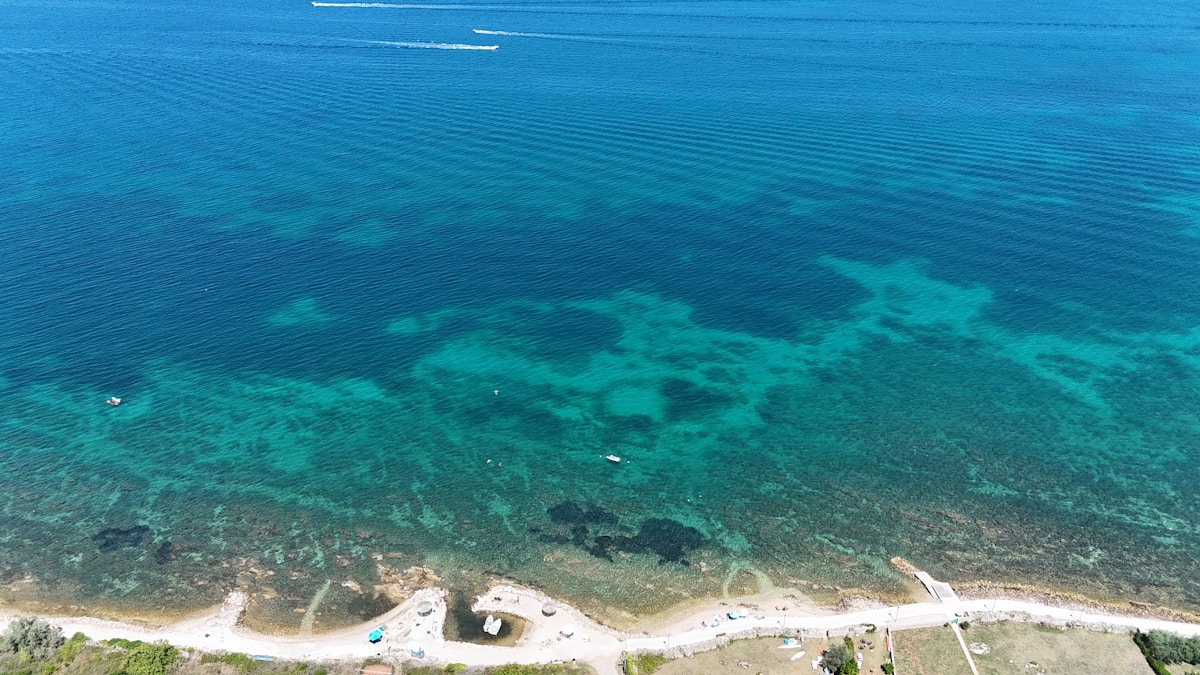
Da Nang has become the default answer when expats and retirees ask where to settle long-term in Vietnam. That reputation is earned. The city sits at the midpoint of the Vietnamese coast, with 30 km of beach, the Marble Mountains as a backdrop, and Hoi An 30 minutes south by road. The infrastructure has grown substantially over the past decade, the cost of living is lower than Hanoi or Ho Chi Minh City, and the expat community is large enough to provide genuine social connections without overwhelming the Vietnamese character of the city.
This guide focuses specifically on what retirement in Da Nang actually looks like day to day.
Why Da Nang specifically
Da Nang gets chosen over other Vietnamese cities for several overlapping reasons.
Size: It is big enough to have everything you need — international food, private clinics, coworking spaces, regular direct flights — but small enough to navigate easily. You can cycle or scooter to most daily needs. This is meaningfully different from Ho Chi Minh City, where the scale and traffic make daily life more effortful.
Beach access: My Khe beach is a 30 km arc of clean sand, generally uncrowded outside of Vietnamese public holidays. Living within a 10-minute walk or scooter ride of the beach is achievable at mainstream rents, not premium prices.
Central location: Hoi An is 30 minutes south. The Ba Na Hills are an easy half-day trip. Hue is 90 minutes by road. Da Nang’s own airport has direct connections to Bangkok, Singapore, Seoul, and most Vietnamese cities. This makes regional travel and international flights back home straightforward.
Climate: Da Nang is warm year-round, with a rainy season (October–January) and a dry, hot season (May–September). The rainy season brings genuine rainfall and occasional typhoon risks, but temperatures remain pleasant year-round compared to the relentless heat of the south. Many retirees find the mild October–December weather particularly enjoyable.
Expat community: The English-speaking expat community in Da Nang numbers in the thousands, with active Facebook groups, weekly social events, and well-worn routes to visa agents, trusted doctors, and reliable landlords. This social infrastructure matters more than many retirees expect when considering a move.
Neighbourhoods
My Khe beach strip
The most popular area for expat retirees. An Thuong street (also known as the Western Street) runs parallel to the beachfront, lined with cafes, Western restaurants, bakeries, yoga studios, and international grocery stores. Apartments here range from modest studio units to well-appointed two-bedroom flats in newer buildings.
Proximity to the beach and An Thuong’s social scene are the main draws. The tradeoff is higher foot traffic during tourist season (March–August) and some noise from beach clubs in summer evenings.
Han River area
The west bank of the Han River is more urban and less beach-oriented, but offers good access to markets, Vietnamese restaurants, transport links, and the central business district. Apartments here are generally 15–25% cheaper than the My Khe beachfront for equivalent quality. It suits retirees who prioritise walkable city life over immediate beach access.
My An
My An is a residential neighbourhood immediately south of My Khe, slightly away from the main tourist strip. It has a large concentration of expat residents, including many families and retirees, with quieter streets, local markets, and apartment blocks that are well-maintained without the tourist-area premium. Good option if you want to be close to the beach without being in the middle of it.
Monthly cost breakdown
These figures are approximate as of 2025, based on a comfortable (not luxury) lifestyle for a single retiree.
| Category | Monthly cost (approx.) |
|---|---|
| Rent (1BR furnished, My Khe or My An) | USD 400–800 |
| Rent (2BR furnished, couple) | USD 600–1,100 |
| Groceries (mix local market + imported) | USD 160–280 |
| Eating out (30 meals) | USD 130–240 |
| Utilities (electricity, water, internet) | USD 65–100 |
| Local transport (scooter fuel / Grab) | USD 40–80 |
| Gym membership | USD 25–50 |
| International health insurance | USD 150–300 |
| Total (single, comfortable) | USD 1,200–1,800 |
| Total (couple, comfortable) | USD 1,600–2,200 |
Electricity is the variable most retirees underestimate. Air conditioning in summer months can push electricity bills to USD 60–90 per month in a one-bedroom apartment. Budgeting USD 80–100 for utilities in hot months is realistic.
Local food is extremely cheap: a bowl of pho or a banh mi runs 30,000–50,000 VND (approximately USD 1.20–2.00). If you eat local food most of the time and reserve Western restaurants for a few meals per week, the food budget sits at the lower end of the range above. A coffee at a Western-style cafe costs approximately USD 2–3.50; at a local Vietnamese cafe, USD 0.50–1.50.
Healthcare in Da Nang
The healthcare situation in Da Nang is good for routine care and adequate for most common health needs, but limited for serious specialist procedures.
Family Medical Practice Da Nang is the primary English-language clinic used by expats. It offers GP consultations, routine blood work, minor procedures, and preventive care. Consultation fees run approximately USD 40–70.
C Hospital (Da Nang General Hospital) is the largest public hospital. Quality varies significantly by department. Most expats use it only for emergencies where private options are unavailable.
Vinmec Da Nang opened a hospital in the city and handles a growing range of specialist cases. Cardiology, orthopaedics, and general surgery have adequate capacity for most cases.
For cancer treatment, complex cardiac procedures, or neurosurgery, the standard recommendation from local doctors and expat groups is to travel to HCMC’s FV Hospital or Vinmec HCMC, or to Bangkok’s Bumrungrad International. This adds cost and complexity but is the realistic position. Factoring in occasional medical trips in your planning is prudent.
International health insurance is essential. Plans for healthy retirees in their 60s typically run USD 150–250 per month. See EKTA travel insurance for Vietnam-specific coverage options, and our Vietnam travel insurance guide for a broader comparison.
Getting around
Da Nang is manageable by scooter, which most longer-term expats use as their primary transport. Renting a scooter costs approximately USD 50–80 per month. Buying a used scooter outright runs USD 300–600 for a reliable Honda Wave or similar.
Grab (the regional Uber equivalent) is widely available and cheap. A trip across town rarely exceeds USD 2–3. Taxis are available for longer trips.
The city is also flat and reasonably bikeable, particularly along the beachfront and the Han River promenade. Cycling is a genuinely pleasant way to get around in the cooler months.
Da Nang International Airport has direct flights to Bangkok, Singapore, Seoul, Taipei, and most major Vietnamese cities. International connections make the city convenient for retirees making regular trips home or for medical travel to Bangkok when needed.
Social life and community
The Da Nang expat community is active and well-networked. Social connections form quickly through:
- Expat Facebook groups (Da Nang Expats is the main one, with tens of thousands of members)
- Recurring events at An Thuong-area cafes and restaurants
- Yoga studios, gyms, and sports clubs with predominantly expat clientele
- Language exchange events and volunteer opportunities at local NGOs
The Vietnamese community in Da Nang is generally welcoming to foreign residents, and basic Vietnamese phrases go a long way in daily interactions. English is widely spoken in the tourist and expat areas; outside those zones, Vietnamese is necessary.
Planning a scouting trip
Before committing to Da Nang, spend at least one month there outside peak tourist season (avoid late June through August if you want a realistic picture of daily life rather than peak-crowd conditions). March–May and September–October are good scouting windows.
Find accommodation in Da Nang to plan your reconnaissance visit. Short-term furnished apartments are easy to find via Airbnb or through local Facebook groups — renting month-to-month gives you the flexibility to evaluate neighbourhoods before signing a longer lease.
Our broader retiring in Vietnam guide covers visa options and a full city comparison if you are still deciding between destinations.