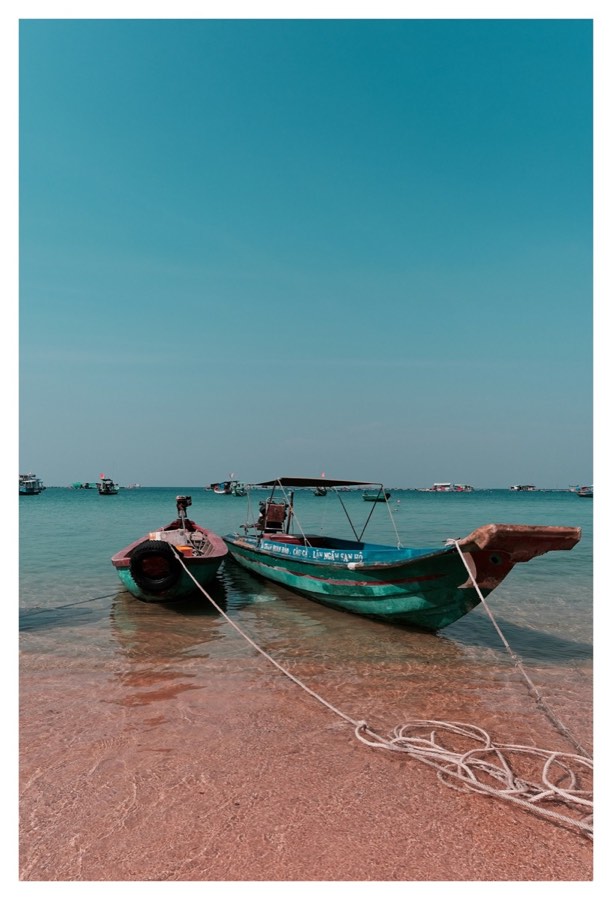
Phu Quoc and Nha Trang are Vietnam’s two most popular beach destinations, and they suit very different types of travellers. Phu Quoc is a tropical island that still has the feel of somewhere in the process of being discovered - despite significant resort development, large stretches of jungle coast remain untouched. Nha Trang is a fully developed beach city, Vietnam’s answer to a Thai resort town, with a dense strip of hotels, restaurants, watersports operators, and a raucous nightlife scene.
Both deserve their reputation. Here’s how to decide which belongs on your itinerary.
The Settings
Phu Quoc is Vietnam’s largest island, roughly the size of Singapore, sitting off the southwest coast near the Cambodian border. It gained visa-free status for international visitors in 2014, accelerating development that continues today - but the north and east coasts remain largely forested and undeveloped. The Phu Quoc National Park covers more than half the island.
Nha Trang is a coastal city of 450,000 people on the south-central coast. The central beach runs 7 km through the city; the offshore islands - Hon Mun, Hon Tam, Hon Mot - are the destination for diving and snorkelling. It has the fullest range of tourist infrastructure of any Vietnamese beach destination, for better or worse.
Beaches
Phu Quoc: Long Beach (Bai Truong) on the west coast is the main swimming beach - calm, clear water, and a strip of beach bars that get lively at sunset. Sao Beach (Bai Sao) on the south coast is the most photographed: powder-white sand and water that shifts from turquoise to deep blue in 50 metres. Ong Lang Beach on the northwest is quieter, with upmarket resorts set back from the trees. The east coast is almost entirely undeveloped.
Nha Trang: The main beach (Tran Phu) runs along the central promenade and is wide and busy. The northern stretch near the Sheraton is better maintained and slightly less crowded. The offshore islands are where the serious snorkelling and beach time happens: day-trip boats leave from Cau Da Port from around USD 12–20 per person.
Verdict: Phu Quoc’s beaches are cleaner and more varied. Nha Trang’s main beach is more convenient if you want everything walkable from your hotel.
Diving and Snorkelling
Both destinations have strong dive operations, but the character differs.
Nha Trang is the more developed dive hub. Rainbow Divers (one of Vietnam’s oldest PADI centres) operates multiple sites around the Hon Mun marine reserve. A two-dive trip costs around USD 60–80 with equipment as of 2026. Browse Nha Trang diving tours. Visibility is best March through September; the wet season (October–December) drops visibility and disrupts boat trips. Whale shark sightings occur occasionally around Hon Mun.
Phu Quoc diving is concentrated around the An Thoi archipelago in the south. Flipper Diving Club and Rainbow Divers (also here) run daily trips. A two-dive day trip costs USD 55–75. The coral quality on reefs like Fingernail Island is arguably better than Nha Trang’s, though the dive community is smaller. Best season is November through May.
Cost
Accommodation
On Phu Quoc, budget guesthouses in the Duong Dong town area start from USD 20–25 per night. Mid-range resorts on Long Beach run USD 50–100. The island has several world-class properties: the JW Marriott Phu Quoc Emerald Bay starts around USD 200; the Regent Phu Quoc from USD 350.
In Nha Trang, budget options near the beach start from USD 18–25. The Sheraton Nha Trang and Mia Resort represent the top of the mid-range at USD 100–180. The InterContinental Nha Trang is the city’s prestige address at USD 180–300.
Food
Both cities offer cheap and excellent street food at similar prices. In Phu Quoc, fresh seafood is the main draw: the Night Market in Duong Dong town sells grilled scallops with spring onions, fresh squid, and crab from around USD 3–5 per plate. The local specialty is sim wine - made from a wild forest berry - and canned for sale across the island.
Nha Trang’s seafood market near Cho Dam is similarly good. Bun ca (fish noodle soup) is the local comfort food at USD 2–2.50. The tourist restaurant strip on Biet Thu Street runs USD 8–15 per head.
Nightlife
Nha Trang has a significantly livelier nightlife scene. Biet Thu Street (nicknamed “Booze Street”) has bars open until 2–3 a.m.; Sailing Club Nha Trang is one of Vietnam’s best-known beach clubs with regular DJ nights. The scene caters heavily to Russian tourists (Nha Trang has been popular with Russian visitors for decades) and domestic Vietnamese tourists.
Phu Quoc’s nightlife is quieter and more scattered. The Night Market and surrounding area in Duong Dong has lively evenings with street food and drinks, but beach clubs are fewer and more spread out. Rory’s Beach Bar on Long Beach is the most established expat gathering point. For serious nightlife, Nha Trang is the clear choice.
Activities Beyond the Beach
Nha Trang: The Po Nagar Cham towers, dating from the 7th to 12th centuries, are one of the best-preserved Cham temple complexes in Vietnam - 4 km north of the city centre, admission approximately USD 2. Vinpearl Land on Hon Tre Island (accessible by cable car, one of the world’s longest over-water cable cars) combines a waterpark, amusement park, and aquarium. Cable car and entry from approximately USD 35 as of 2026. Mud baths (at Thap Ba Hot Spring or I-Resort) are a Nha Trang institution: a private mineral mud bath costs USD 12–20.
Phu Quoc: The Phu Quoc Safari is one of Southeast Asia’s largest open-air zoos (approximately USD 28 entry). Vinwonders Phu Quoc is the island’s major theme park (USD 35). But the best experiences are low-key: hiring a motorbike (USD 7–10 per day) and riding the coastal road north into the national park, visiting the fish sauce (nuoc mam) factories that made Phu Quoc famous, or taking a squid fishing boat trip that departs at sunset.
Getting Around
Nha Trang is more compact and walkable along the beachfront strip. Grab works well in the city. Day-trip boats to the islands leave on a fixed schedule from Cau Da Port.
Phu Quoc requires more planning. The island is spread over 60 km north to south; the best beaches and attractions are not concentrated. Renting a motorbike is the most practical option. Grab exists on Phu Quoc but coverage is patchier and wait times longer.
Best For
Choose Phu Quoc if:
- Pristine beaches and clear water are the priority
- You want a mix of beach time and jungle exploration
- You’re happy to base yourself in one area and explore slowly
- You’re combining with a trip to Cambodia (Ha Tien crossing is straightforward)
Choose Nha Trang if:
- You want beach with urban convenience
- Diving infrastructure and a wide operator choice matter
- Nightlife and social atmosphere appeal
- You’re bringing children and want amusement park options
When to Visit
Phu Quoc is best November through April. The west coast beaches are sheltered during this period and the water is calm. May through October brings the southwest monsoon - Long Beach gets rough, Sao Beach remains more sheltered but can lose clarity.
Nha Trang is best January through August. The protected bay keeps the main beach swimmable through the year, but October and November bring heavy rainfall and occasionally rough seas. The dive sites around Hon Mun are best March–September.
The Verdict
Phu Quoc is a better destination for the traveller who wants natural beauty, peace, and an island that still has untouched edges. Nha Trang is better for those who want a beach holiday packaged with a full range of tourist infrastructure, livelier evenings, and easy access to diving and watersports.
Many Vietnam itineraries include both, which is manageable: fly from Nha Trang to Ho Chi Minh City and then on to Phu Quoc, or in reverse.
See our detailed guides to Phu Quoc and Nha Trang for neighbourhood breakdowns, hotel recommendations, and day-trip options.
Plan Your Trip
✈️ Book your flights to Vietnam 🛡️ Get travel insurance 📱 Stay connected with an eSIM 🚗 Rent a car