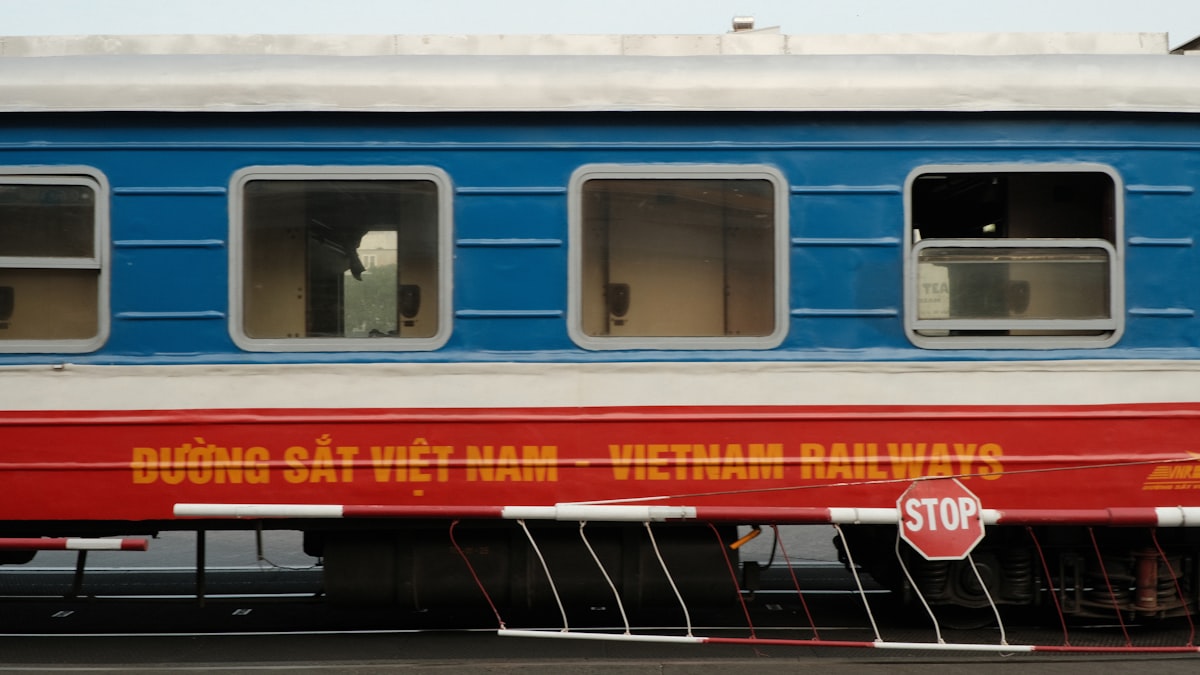
Getting from Hanoi to Sapa means choosing between two very different overnight journeys: a sleeper train to Lào Cai followed by a minibus into the mountains, or a direct sleeper bus that drops you straight in Sapa town. Both options get you there overnight so you lose no daylight time. The right choice depends on your budget, comfort preferences, and how much the journey itself matters to you.
The Overnight Sleeper Train
The standard route runs from Ga Hà Nội (Hanoi Railway Station, on Lê Duẩn Street) to Lào Cai station, a journey of approximately 8 to 8.5 hours. Trains typically depart between 9:00 pm and 10:30 pm and arrive in Lào Cai around 6:00 am, giving you a full day in Sapa. From Lào Cai, shared minibuses shuttle passengers up the winding 38 km mountain road to Sapa town in roughly 45 minutes to 1 hour.
Named Train Services
Vietnam Railways operates the route, but several private operators run upgraded carriages attached to the state trains. The most popular are:
Sapaly Express — a well-regarded operator with soft sleeper cabins (4 berths) and VIP 2-berth cabins. Bedding, towels, and a bottle of water are included. Known for reliable on-time performance.
Livitrans Express — runs 4-berth soft sleeper and 2-berth VIP cabin carriages. The VIP cabins are spacious with fold-down beds, air conditioning, and personal reading lights. Livitrans is frequently booked for couples and those wanting a quieter experience.
Victoria Express — the premium end of the market, running wood-panelled VIP cabins with private en-suite bathrooms on some departures. Targeted at travellers who want a proper rail experience rather than just transport.
Vietnam Railways hard sleepers — the state carriages cost the least and offer 6-berth open-plan compartments. Sheets and pillows are provided. Perfectly serviceable for solo backpackers comfortable with shared spaces.
Prices (as of 2026)
Prices vary by operator and season. As a guide:
- Hard sleeper (Vietnam Railways, 6-berth): from approximately $12 USD (around 300,000 VND) as of 2026
- Soft sleeper (4-berth, private operators): from approximately $15 USD (around 380,000 VND) as of 2026
- VIP 2-berth cabin (Sapaly, Livitrans): from approximately $25 USD (around 630,000 VND) as of 2026
- Victoria Express VIP (2-berth with en-suite): from approximately $45 USD (around 1,130,000 VND) as of 2026
Book through the operator websites directly (Sapaly, Livitrans, Victoria Sapa) or via aggregators like Baolau. Booking 2 to 3 weeks ahead is strongly recommended for weekend and holiday departures — popular cabin classes sell out fast. Weeknight travel has more availability.
What to Expect on the Train
The journey passes through lowland rice paddies before climbing into the northern highlands. Night trains mean you sleep through most of the scenery, but the early-morning arrival into Lào Cai — with mist sitting over the mountains — is a memorable introduction to the region.
Bring a layer for the train: carriages can get cold, especially in the soft and VIP sections. The minibus connection from Lào Cai to Sapa is easy — drivers wait at the station exit and charge around 70,000 to 80,000 VND per person (approximately $3 USD as of 2026). Shared van services run directly to hotels.
The Direct Sleeper Bus
Several operators run direct overnight buses from Hanoi to Sapa town, bypassing Lào Cai entirely. The journey takes approximately 5 to 6 hours depending on road conditions, which is significantly faster than the train. Buses are reclining sleeper coaches with pod-style seats that fold nearly flat.
Named Operators
Hung Thanh — one of the most established operators on the route, running comfortable sleeper coaches with air conditioning and blankets. Departs from the Hung Thanh bus station area in Hanoi, typically late evening. Well-reviewed for punctuality.
Sapa Go — a popular choice among independent travellers, with both standard and premium sleeper seats. Pick-up points in the Old Quarter area make it convenient for travellers staying centrally. Drop-off is directly in Sapa town.
Fansipan Express — another reliable option, slightly cheaper than Sapa Go on most departures. Departs from the Luong Yen bus station area.
Prices (as of 2026)
Direct sleeper buses to Sapa cost from approximately $10 USD (around 250,000 VND) for a standard sleeper seat, rising to approximately $18 USD (around 450,000 VND) for premium upper or lower flat-bed pods. Book online through the operator websites or at travel agent desks in the Old Quarter. Less advance booking is generally needed than for the train, but weekend seats on premium coaches fill up.
What to Expect on the Bus
The bus drops you directly in Sapa town, usually around 4:00 am to 5:30 am — earlier than the train-plus-minibus option. This can mean arriving in the dark with nowhere open yet. Some operators partner with hotels for early check-in or luggage storage; worth confirming before booking. The road to Sapa climbs steeply and can be rough in wet weather. Some passengers find the motion uncomfortable on the hairpin bends.
Side-by-Side Comparison
| Sleeper Train + Minibus | Direct Sleeper Bus | |
|---|---|---|
| Total journey time | 9—10 hours (train + bus) | 5—6 hours |
| Price range | $12—$45 USD | $10—$18 USD |
| Comfort | High (VIP cabins) to moderate | Moderate |
| Scenery | Misty mountain arrival | Road journey |
| Drop-off | Lào Cai, then Sapa town | Sapa town direct |
| Booking lead time | 2—3 weeks for weekends | 3—5 days usually |
| Best for | Couples, families, experience | Speed, budget |
Who Should Take the Train
Couples and honeymooners who want the journey to feel like part of the trip. A VIP cabin with Livitrans or Victoria Express is genuinely romantic — private space, the rhythm of the rails, mountain arrival at dawn.
Families with children often find the train easier to manage than a bus on winding mountain roads. Berths give kids room to lie flat, and the motion is less stomach-churning than hairpin bends.
First-time visitors to Sapa who want the classic Vietnam experience. The overnight train has been the traditional route for decades and remains the most atmospheric way to arrive.
Travellers prone to motion sickness — the train runs on flat track to Lào Cai before the short minibus climb, while the bus involves 90 minutes of switchbacks.
Who Should Take the Bus
Budget backpackers who want to maximise value. The standard sleeper bus at $10 to $12 USD delivers you to Sapa for roughly the same price as a hard sleeper train ticket, but faster and without the onward minibus cost.
Travellers on a tight schedule who need to arrive as early as possible. The bus gets you to Sapa 3 to 4 hours before the train connection arrives, meaning a longer first day.
Solo travellers comfortable with the compact pod format — sleeper buses work well for people who are happy to plug in headphones and sleep.
Practical Tips
Departure point for trains: All Sapa-bound trains leave from Ga Hà Nội (Hanoi Main Station) on Lê Duẩn Street, not from Long Biên or Gia Lâm stations. Check your ticket carefully — it will state the departure platform.
Luggage: Both options have limited luggage space. A backpack or soft bag is easier than a hard suitcase on the train’s overhead racks. The bus has a luggage compartment underneath for larger bags.
Season matters: The road to Sapa can close or become hazardous during heavy rain and landslip season (June to August). Train to Lào Cai is unaffected by road conditions; the final minibus section is short. Check local conditions if travelling in the wet season.
Book via reputable platforms: Baolau aggregates most train operators in one place with English-language booking. The operator websites (Sapaly, Livitrans, Victoria) also accept direct bookings. Avoid paying a premium at hotel desks when you can book online for the same or lower price.
Onward transport in Sapa: Arriving by train, you will need the minibus from Lào Cai. Arriving by bus, you are dropped centrally. Factor this in — it saves around $3 per person and 45 minutes if the bus drops you closer to your accommodation.
Both options work well. The train is the better experience; the bus is the better deal. Most travellers who visit Sapa more than once end up taking the train one way and the bus the other.