Vietnam is one of Asia’s most rewarding solo travel destinations. The country has a clear north-south corridor with reliable transport links, cities geared toward independent travellers, a thriving hostel scene, and prices that remove most of the financial stress of travel. Whether you’re spending two weeks or three months, the infrastructure here works in your favour.
Is Vietnam good for solo travel?
Straightforwardly, yes. Vietnam has the ingredients that make solo travel work: a well-established backpacker circuit (Hanoi → Ninh Binh → Hue → Hoi An → Da Lat → Ho Chi Minh City is the classic spine), reliable buses and trains between every major city, and a culture around travel that makes connecting with other travellers almost unavoidable.
The country is long and thin - roughly 1,650 km from Hanoi to Ho Chi Minh City - which means solo travellers naturally encounter each other repeatedly along the route. You’ll meet the same people on the Hoi An cooking class, the Ha Long Bay cruise, and the night train south. That loop creates community without any effort on your part.
Costs are low enough that mid-range travel doesn’t require budget anxiety. A private room in a good guesthouse runs approximately USD 20–40 per night in most cities, and a bowl of pho from a street stall is under USD 2. This makes it easy to extend a trip, slow down in a place you like, or book an additional tour.
Safety for solo travellers
Vietnam is a safe country for solo travellers by any regional comparison. Violent crime against tourists is uncommon. The issues that do exist are worth knowing about: motorbike bag-snatching is a genuine risk in Ho Chi Minh City, particularly along Bui Vien Street and in the backpacker district. Keep your bag on the side away from the road, don’t use your phone while walking near traffic, and keep cameras inside when not in use. This is specific to HCMC - it’s not a concern to the same degree in Hanoi or the central cities.
Scams worth knowing about include fake travel agents selling overpriced tours, metered taxis with rigged meters (use Grab exclusively), and the infamous “broken” motorbike rental gambit. These are avoidable with basic research. The GrabBike and GrabCar apps cover all major cities and towns and eliminate the taxi scam problem entirely.
Solo female travel in Vietnam
Vietnam is genuinely one of the better countries in Southeast Asia for solo women. Sustained harassment of the kind common in some neighbouring countries is not the norm here. Local interactions tend to be curious and friendly rather than intrusive.
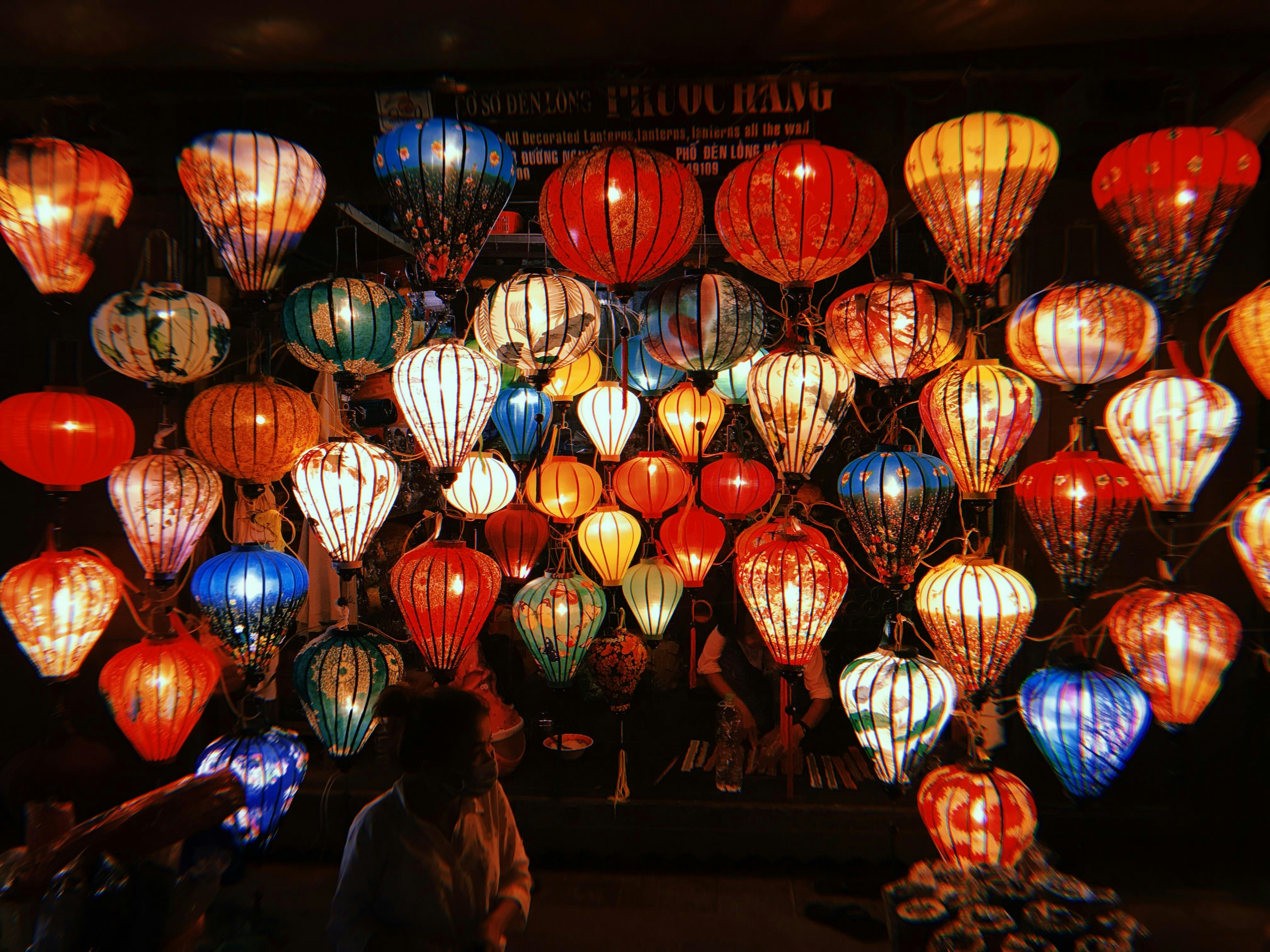
Hoi An is particularly recommended as a first destination or a place to slow down. The Ancient Town is compact, well-lit, safe to walk at night, and full of other solo travellers. Da Lat is similarly relaxed. Ho Chi Minh City requires more street awareness - the bag-snatching risk applies regardless of gender - but it remains navigable and rewarding.
Standard precautions apply: share your daily itinerary with someone at home, avoid returning to your accommodation alone very late on foot in unfamiliar areas, and trust your instincts about individual situations.
How to meet people in Vietnam
Vietnam has one of the most active traveller communities in Asia. Meeting people requires almost no effort if you pick the right starting points.
Hanoi Old Quarter: The Bia Hoi corner (junction of Luong Ngoc Quyen and Ta Hien streets) is the classic entry point. You sit on plastic stools at pavement tables, pay roughly 10,000–15,000 VND (under USD 1 as of 2026) for a glass of fresh-brewed beer, and within twenty minutes you’re in a conversation. It works because everyone there is doing the same thing.
Hostels: The Old Quarter in Hanoi and the An Hoi peninsula area in Hoi An both have strong hostel scenes. Look for places with communal tables and evening activities rather than just dorm beds.
Cooking classes in Hoi An: Virtually every cooking class here runs with groups of six to twelve people over three or four hours. The format - market visit, then cooking together - is naturally social. Morning Glory, Red Bridge, and Thuan Tinh Island are the better-known operators, all priced approximately USD 30–45 per person as of 2026.
Ha Long Bay overnight cruises: A two or three-night cruise puts you with the same group of fifteen to thirty travellers for the entire time. By day two, you know everyone. This is one of the most reliable ways to make friends in Vietnam - explore Ha Long Bay cruise options to see what’s available.
Easy Rider motorbike tours from Da Lat: These multi-day motorbike tours through the highlands naturally accumulate riders over time. Da Lat Easy Rider tours run from approximately USD 35–50 per day as of 2026 and cover routes south to the coast or north toward Hoi An.
Online communities: The “Solo Travellers Vietnam” Facebook group is active and useful for finding travel companions for specific legs. City-specific expat and local groups (Hanoi Expats, Saigon Expats & Visitors) are worth joining for restaurant and event recommendations.
Language exchange apps: HelloTalk and Tandem have large Vietnamese user bases. Many users are keen to meet for coffee in exchange for English conversation. It’s a straightforward way to meet locals rather than exclusively other travellers.
Best bases for solo travellers
Hanoi is the natural starting point for most northern routes and suits solo travellers well. The Old Quarter is compact and walkable, the hostel scene is strong, and Bia Hoi corner gives you an instant social life.
Hoi An is the standout for solo travellers who want to slow down. The Ancient Town is car-free, the cooking and craft class scene makes socialising easy, and the pace is lower than Hanoi or HCMC. It’s also a practical base for day trips to Hue and Da Nang.
Ho Chi Minh City is busier and more spread out, but it has the best food scene, excellent day trips (Mekong Delta, Cu Chi Tunnels), and a large community of long-term travellers and expats. Bui Vien Street is the backpacker hub; the areas around Pham Ngu Lao are more affordable.
Group tours worth taking
Some routes are significantly better with a structured tour. Ha Long Bay is the clearest example - access requires either an organised cruise or an expensive private charter. A two-night overnight cruise on a mid-range junk boat costs approximately USD 150–250 per person as of 2026 and covers Bai Tu Long Bay or the main Ha Long Bay islands with kayaking and cave visits included. Browse Ha Long Bay cruises on GetYourGuide.
The Mekong Delta is the other one. Navigating the delta’s canal network independently without a Vietnamese-speaking guide is genuinely difficult. A full-day or two-day tour from HCMC takes care of the logistics and gets you to the floating markets and villages that are hard to reach alone. See Mekong Delta tours here.
Practical solo tips
Budget: USD 30–50 per day covers a private room in a mid-range guesthouse, three meals (a mix of local pho and occasional sit-down restaurants), transport between cities, and one or two activities per week. Budget travellers sharing dorms can manage on USD 20–30.
Transport: Use Grab for all city transport - it removes pricing ambiguity and the meter scam. For intercity travel, night trains between Hanoi and Da Nang (or Hue) are comfortable, scenic, and save a night’s accommodation. The open-tour bus (various operators - Sinh Tourist and The Sinh Tourist are the main ones) offers hop-on-hop-off tickets along the whole north-south route for approximately USD 35–55 as of 2026.
SIM card: Pick one up at the airport on arrival (Viettel and Vietnamobile are the main providers). A 30-day data SIM with sufficient data for maps and messaging runs approximately VND 100,000–200,000 (USD 4–8 as of 2026). Grab and Google Maps make Vietnam extremely navigable.
Accommodation: Book the first two nights in advance, especially if arriving in Hanoi during Tet or peak season (December to February). After that, Vietnam is flexible enough to book same-day or a day ahead.
Best time to go solo
February to April is the most reliable window for the central coast (Hoi An, Da Nang, Hue) and the south. Weather is dry across most of the country, Tet (usually February) brings some closures but a festive atmosphere, and traveller numbers are high enough that meeting people is effortless without the overcrowding of Christmas peak.
September to November is excellent for the north - Ha Giang Loop, Sapa rice terraces, Ha Long Bay. Fewer travellers than peak season, pleasant temperatures in the highlands, and the harvest-season terrace scenery in Mu Cang Chai (September–October) is genuinely outstanding.
See our best time to visit Vietnam guide for a full month-by-month breakdown by region.
Plan Your Trip
✈️ Book your flights to Vietnam 🛡️ Get travel insurance 📱 Stay connected with an eSIM 🚗 Rent a car